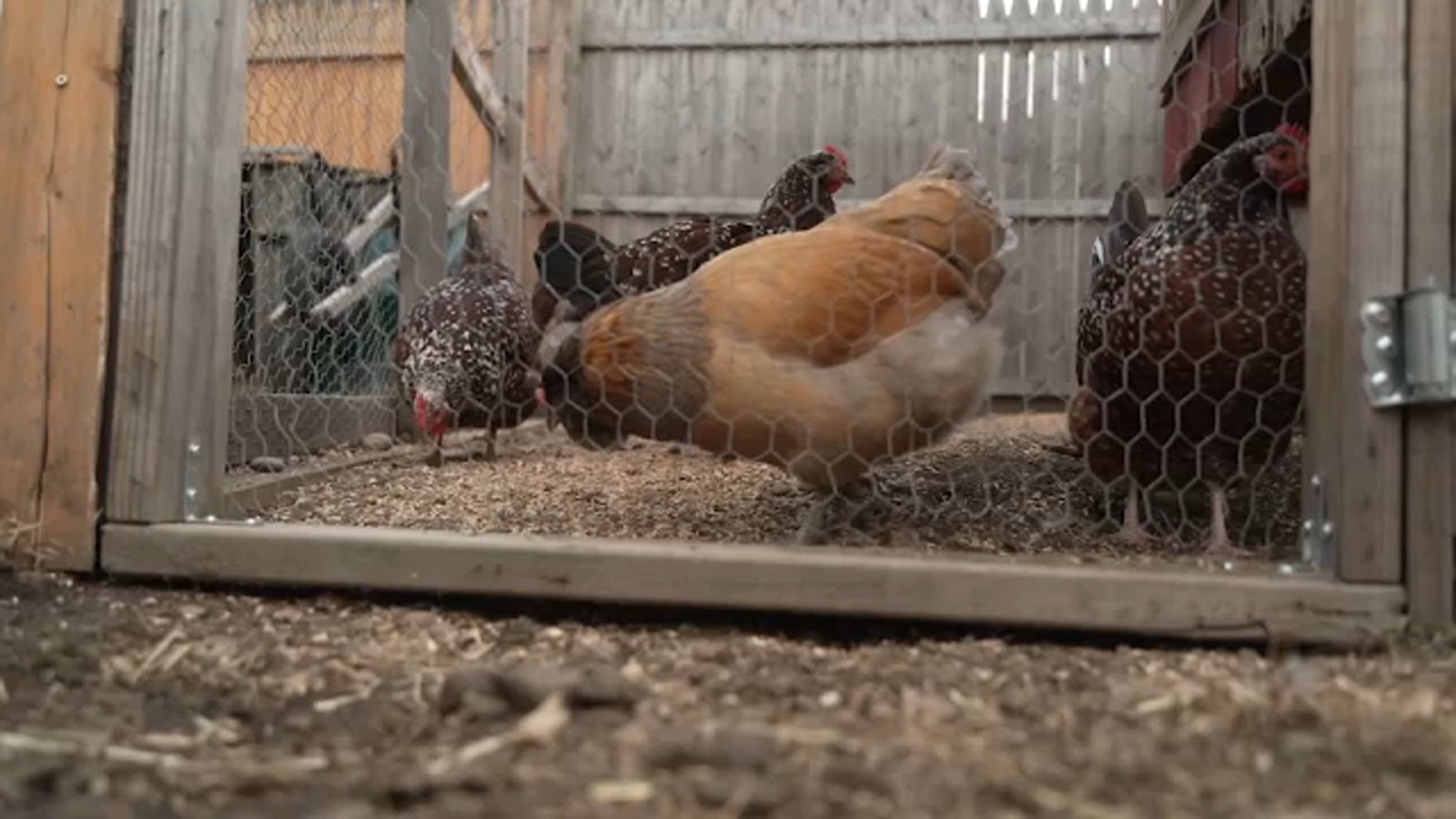
North Carolina authorities confirmed a case of Highly Pathogenic Avian Influenza (HPAI) in a backyard poultry flock in Franklin County, the ninth confirmed case in the state since Oct. 1. Officials characterize the strain as low risk to humans and not a food-safety threat, but ongoing detections in wild birds and calls for strict biosecurity could produce localized production or supply disruptions, with limited broader market impact expected.
Market structure: This backyard HPAI case is currently localized and likely immaterial to national supply, but the asymmetric risk favors specialty egg producers and concentrated layer operators if commercial infection occurs. If commercial flock losses exceed ~1–2% of U.S. layer/broiler capacity within 30–90 days, expect double‑digit wholesale price moves in eggs/chicken and immediate margin expansion for pure‑play egg producers (e.g., CALM) versus integrated processors (TSN) that face operational disruption. Feed demand is a second‑order lever: a sustained cull of >5m birds would reduce corn/soy demand by a few percent, pressuring grain prices and exporters (ADM, BG).
Risk assessment: Tail risks include a mutation increasing human transmissibility (low probability, high impact), or rapid spread to commercial farms triggering mandatory culls, plant shutdowns, or export bans; either would create multi‑week supply shocks. Immediate window (days): containment signals matter; short term (weeks–months): wholesale price volatility and input cost shifts; long term (quarters+): biosecurity capex and insurance costs for producers. Hidden dependencies include live‑bird trade flows, migrant bird migration forecasts, and state‑level reporting lags that can mask true spread. Key catalysts: USDA commercial flock infection report, cumulative national cull thresholds (e.g., 1%/5% capacity) and export restriction announcements.
Trade implications: Tactical plays: establish a 1–2% long position in Cal‑Maine Foods (CALM) via 3‑month ATM call or 10% OTM call buy to capture upside on layer shortages; hedge operational shock with a 0.5–1% portfolio put on Tyson Foods (TSN) 3‑month OTM to limit downside if facilities are affected. Add a small options hedge on CORN (CORN ETF 1‑month 5–10% OTM put, 0.5% portfolio) if USDA reports >1m birds culled in 30 days. Rotate 1–3% from broad restaurant exposure into food producers (CALM, poultry specialty names) if price signals move by >10% in 30 days.
AI-powered research, real-time alerts, and portfolio analytics for institutional investors.
Request DemoOverall Sentiment
neutral
Sentiment Score
-0.10
Contrarian angles: Consensus will downplay backyard cases — that underestimates contagion risk from wild birds and lagged reporting; conversely, knee‑jerk selloffs of integrated processors can be overdone if supply tightness boosts ASPs. Historical parallel: 2014–15 HPAI produced sharp regional egg price spikes and long tail effects in input contracts; mispricing today creates opportunities to buy concentrated layer exposure and sell short‑dated volatility in grains if outbreaks remain backyard‑limited. Unintended consequence: export curbs could amplify domestic price moves—monitor USDA weekly flock loss and export license data; trade only with explicit stop‑loss at pre‑defined cull thresholds.
