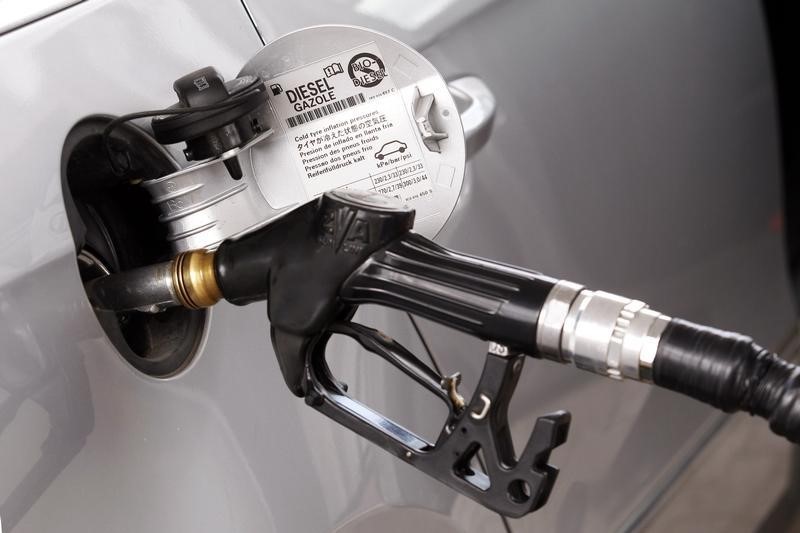
U.S. crude topped $100/bbl for the first time since 2022 and U.S. gasoline prices are at their highest levels since late 2023. The Trump administration is expected to temporarily waive summer-blend volatility (RVP) rules and allow E15 through the summer, which would lower retail pump prices by avoiding costlier summer blends. The move aims to blunt Iran-conflict-driven fuel-price pressure and could ease consumer gasoline costs, squeeze refiners' summer-blend margins, and reduce near-term inflation and market volatility in energy markets.
Regulatory flexibility that lowers the summer-blend premium is a supply-side margin reallocation, not a pure demand shock. Expect national gasoline crack spreads to compress relative to crude by low-double-digit cents per gallon within weeks as seasonal processing and blending patterns shift; that mechanically transfers cashflow from complex reformulation capture into throughput-driven refiners and blenders who can ship higher-RVP product without costly processing steps. Second-order supply-chain effects will hit RIN/RVP markets, ethanol logistics, and regional basis differentials. A modest, low-single-digit uptick in ethanol blending over the summer would tighten prompt ethanol and nearby corn balances, supporting Chicago corn futures and Midwest cash basis into the autumn while reducing RIN scarcity premiums — the net impact on agribusiness is positive for volumetric sellers but negative for margin-levered ethanol converters if corn moves faster than ethanol pricing. Policy optionality makes this a convex short-term trade with multi-horizon tails: within 2-8 weeks inventories and regional cracks will adjust, but a geopolitical re-tightening of crude flows could reverse effects within 30-90 days and produce sharp gasoline price re-steepening. Monitor three leading indicators as triggers — front-month RBOB vs Brent crack, prompt ethanol/nearby corn spreads, and D6 RIN index moves — to time entries and exit; absent a supply shock, expect relative winners to assert outperformance through the driving season months. Execution should emphasize relative-value and convexity: prefer equity exposure to companies that gain throughput/margins immediately and use short-dated options for protection against policy reversal or renewed crude spikes. Position sizing should assume a 30-40% probability of policy reversal within three months, and structures should therefore cap downside while leaving open asymmetric upside if gasoline realignment persists into late summer.
AI-powered research, real-time alerts, and portfolio analytics for institutional investors.
Overall Sentiment
neutral
Sentiment Score
0.00
