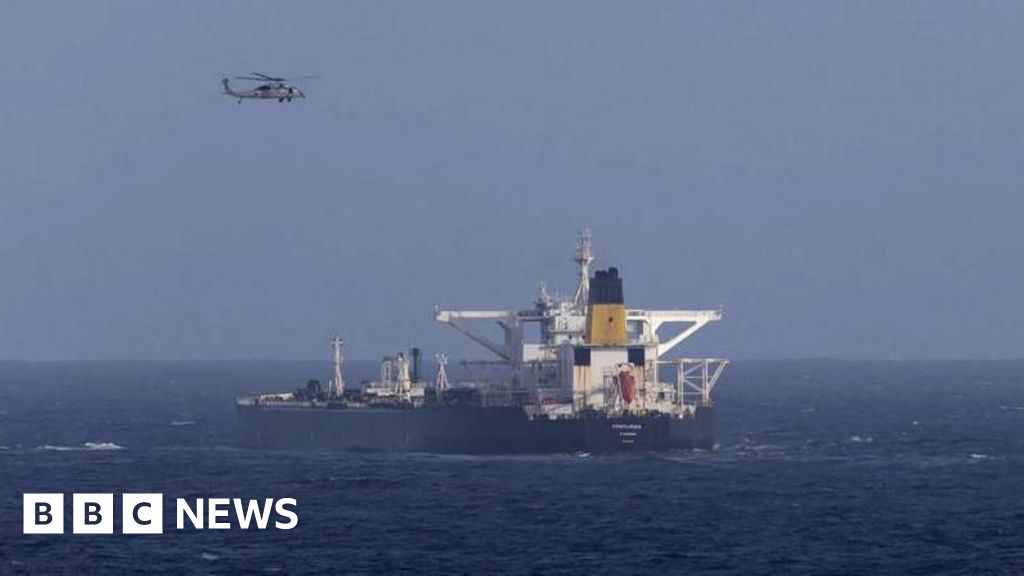
The US Coast Guard is reported to be pursuing a third oil tanker tied to Venezuela's so‑called 'dark fleet' amid intensified enforcement of sanctions, after two tankers were seized this month and one boarded by a tactical team in international waters. Washington alleges the vessels are evading sanctions and carrying PDVSA oil, while Venezuela denounces the actions as theft; TankerTrackers data indicates over 30 of ~80 ships near Venezuela are under US sanctions. The escalation — including a US military buildup and strikes in the Caribbean and an announced blockade — raises regional security risks and a potential premium on Venezuelan crude flows that could tighten markets and increase shipping and geopolitical risk for energy traders and investors.
Market structure: Immediate winners are owners/operators of tankers and specialized war-risk/insurance brokers who can capture higher freight and insurance premia; losers are Venezuela-linked exporters and any refiners dependent on sanctioned PDVSA crude. With >30 of ~80 ships flagged in recent data (~38%), enforcement can mechanically remove several hundred kb/d of seaborne flows; a 200–400 kb/d disruption implies a $2–6/bbl upside shock to Brent in weeks if not offset by OPEC spare capacity.
Risk assessment: Tail risks include kinetic escalation (naval skirmish or wider Caribbean interdiction) producing a $10+/bbl price spike and shipping insurance rate spikes (LR2/LR1/ Aframax war-risk premiums doubling). Time horizons: immediate (days) = volatility and shipping rates spike; short-term (weeks–3 months) = oil price repricing and equity moves; long-term (quarters+) = trade re-routing, reflagging and legal precedents that can mute sanctions. Hidden dependencies: ship reflagging, ship-to-ship transfers, and quicker legal appeals can preserve flows; satellite tracking and policy shifts are key catalysts.
Trade implications: Expect oil volatility (OVX) and gold/bond safe-haven flows; USD/EMFX pressure (VES and regional FX) and widening EM credit spreads. Tactical opportunities: buy short-dated oil convexity and own selective tanker equities/ETFs, hedge with Treasuries if escalation risk rises. Entry/exit should be rule-based on sanctions/seizure cadence and OVX moves.
Contrarian angles: Consensus assumes effective interdiction; probability of enforcement fatigue or legal pushback is material — if seizures stall, oil risk premium may collapse quickly. Historical parallel: Iranian export sanctions showed rapid re-routing and insurance workarounds within 3–6 months, capping price moves. Therefore size positions modestly, prefer option-defined risk and event triggers rather than outright directional leverage.
AI-powered research, real-time alerts, and portfolio analytics for institutional investors.
Request DemoOverall Sentiment
moderately negative
Sentiment Score
-0.40
