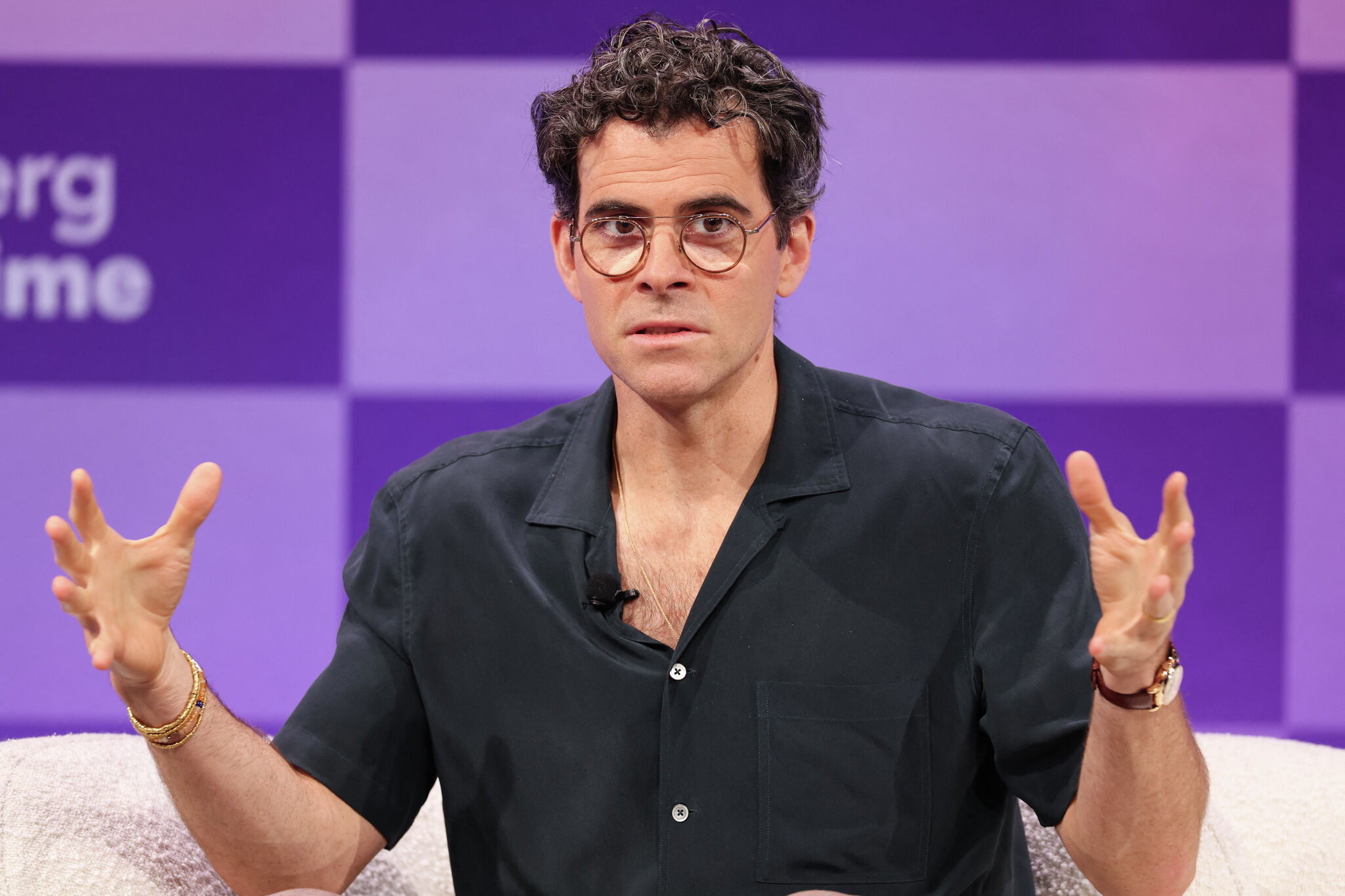
Instagram head Adam Mosseri ordered staff to return to the office five days a week starting in February and said the app’s Menlo Park offices will move to a new building in late January so everyone has a desk, while fully remote employees remain unaffected and Bay Area staff may transfer to Meta’s Park Tower in San Francisco. He also instructed biannual cuts to recurring meetings, a shift toward prototype demos over presentations and faster decision-making as part of a productivity push, and Meta confirmed the policy change; the company recently prevailed in a federal antitrust case concerning Instagram and WhatsApp.
Market structure: Instagram's 5-day return policy is a small but directional win for Meta (META) on product velocity and ad monetization — operationally it can shorten feature cycle times by ~10–20% if in-person prototyping replaces presentation cycles, potentially improving ad RPMs in 2026 vs peers that stay fully hybrid. Losers are remote-first SaaS/HR/recruiting platforms (companies like DOCU/ZM that monetize remote processes) where demand elasticity could fall 5–15% over 12–18 months in Bay Area talent markets; commercial co‑working is ambiguous given transfers to SF Park Tower. Cross-asset: expect modest positive delta to META equity (few %), negligible sovereign bond impact, lower idiosyncratic IV in META options over 1–3 months if sentiment normalizes.
Risk assessment: Tail risks include elevated attrition (10–25% higher turnover in affected teams), union organizing, or a PR backlash that pressures ad spend — any of these could wipe out near‑term productivity gains. Immediate (days) impact is sentiment; short-term (weeks–months) sees hiring/lease costs and possible higher comp; long-term (quarters) the payoff is faster product experimentation and ad monetization if retention holds. Hidden dependencies: gains rely on execution of meeting cuts and prototyping discipline; failure doubles coordination costs. Catalysts: META earnings, ad RPM prints, and competitor feature rollouts (TikTok Shop expansion) can accelerate or negate effects.
Trade implications: Direct play is a tactical overweight in META to capture potential RPM upside: 6–12 month horizon, target +15–25% if ad trends inflect, with a -10% hard stop. Relative-value: pair long META vs short remote-work beneficiaries (DOCU or ZM) for 3–9 months to capture reallocation of spend; size short ~50–75% of long notional to hedge market beta. Options: implement a cost‑limited bullish call spread on META 6–12 months out 15–25% OTM to cap premium and leverage asymmetric upside; avoid uncovered naked calls.
Contrarian angles: Consensus treats this as internal cultural noise; markets underprice the potential for faster vertical feature iteration at Instagram to reclaim short‑video ad share — a sustained RPM lift of +5–10% would justify a +20% re-rating in META. Conversely, the market may understate attrition risk: if turnover exceeds 15% in product teams, development velocity could fall, producing the opposite outcome. Historical parallels: past returns‑to‑office at Big Tech (2015–2018) produced near‑term churn but net long‑run product benefits; watch retention rates and hiring costs as the tiebreaker.
AI-powered research, real-time alerts, and portfolio analytics for institutional investors.
Request DemoOverall Sentiment
neutral
Sentiment Score
0.05
Ticker Sentiment
