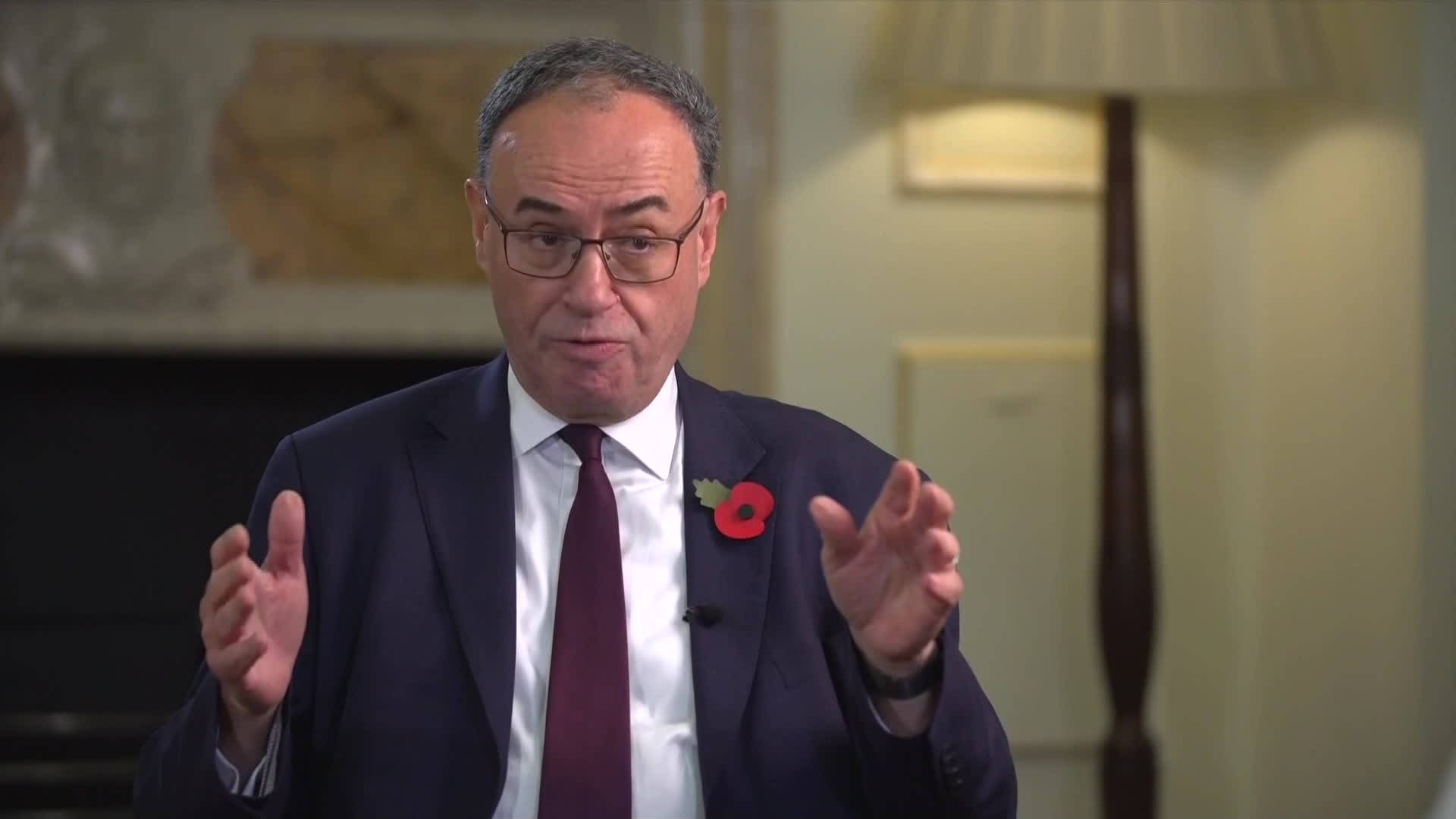
Bank of England Governor Andrew Bailey stated that the central bank requires 'more evidence' that inflation is sustainably returning to its 2% target before considering interest rate cuts. This cautious stance, likely driven by concerns over persistent services inflation and wage growth, suggests that market expectations for imminent rate reductions may be premature, reinforcing the BOE's commitment to price stability even if it means a prolonged period of higher borrowing costs.
BOE Governor Andrew Bailey's recent comments signal a continued cautious approach to monetary policy, stating the need for "more evidence" of inflation sustainably returning to the 2% target before interest rate cuts. This directly challenges market expectations for imminent reductions, indicating a potential divergence between central bank guidance and investor pricing. The overall sentiment is mildly negative regarding near-term rate cut prospects.
Bailey's stance is primarily driven by concerns over persistent services inflation and ongoing wage growth, key components influencing underlying price pressures. This reiterates the Bank of England's firm commitment to achieving price stability, even if it means maintaining elevated borrowing costs for an extended period. The market impact of this statement is assessed as moderate (0.55).
The implication for the UK economy is a potentially longer duration of restrictive monetary policy than some market participants anticipate. This prioritization of inflation control over immediate growth stimulus suggests a sustained period of higher interest rates for businesses and consumers. Such an environment could influence corporate earnings and economic growth projections.
AI-powered research, real-time alerts, and portfolio analytics for institutional investors.
Request DemoOverall Sentiment
mildly negative
Sentiment Score
-0.25
