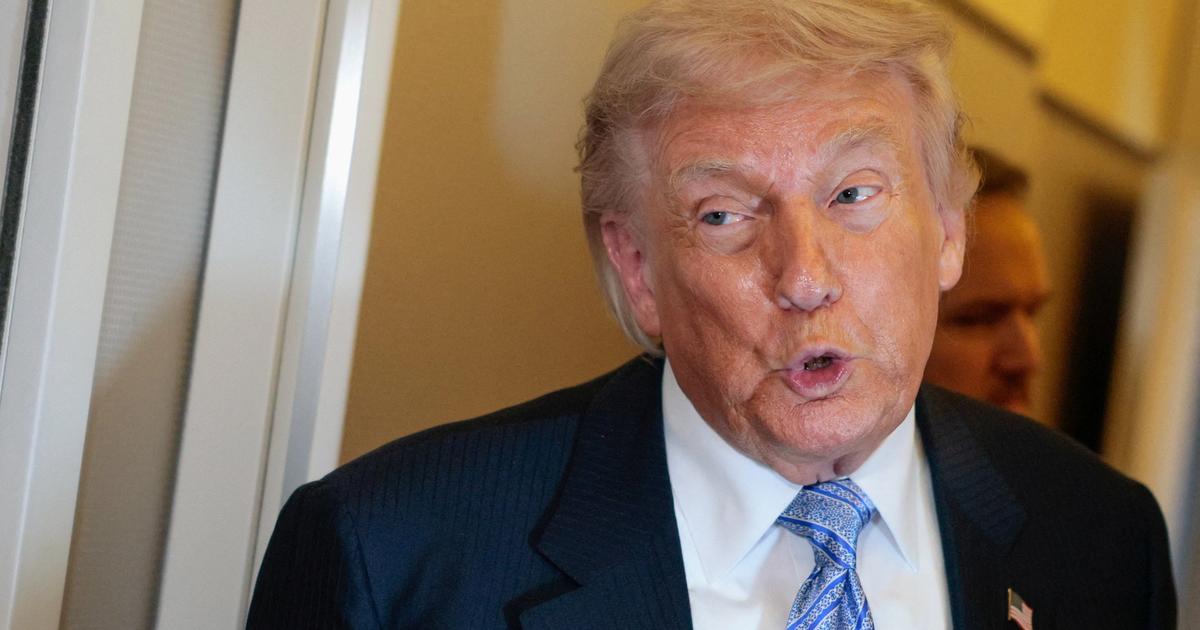
President Trump is set to sign two executive orders, one easing the initial push for banks to collect citizenship proof and instead directing Treasury and regulators to update BSA/customer-due-diligence rules and consider immigration-related credit factors. The second order would push regulators and the Fed to review access to payment rails for fintechs and non-bank financial firms, potentially expanding competition while preserving safety. The package is broadly favorable for banks versus the harsher draft, but it still introduces regulatory uncertainty and possible compliance changes.
This is marginally bullish for the banking complex because it removes a worst-case compliance overhang without materially changing deposit economics. The more important second-order effect is that the administration is signaling a regulatory path that preserves account-access friction, which should support fee income for KYC/AML vendors, core processors, and larger banks with scale advantages over regionals. For smaller banks, any incremental due-diligence burden is a quiet negative because compliance spend rises faster than balance-sheet growth, widening the moat for the biggest platforms.
The lending-language risk matters more than the headline relief. If regulators formalize immigration status or deportation-related assumptions in underwriting, the near-term impact is less about loan growth and more about tighter credit box behavior in unsecured consumer and small-business lending, especially in geographies with higher immigrant concentration. That would be a modest headwind for subprime lenders and card issuers with thin-margin borrowers, while favoring super-prime exposure and banks that can reprice risk quickly. The timing is important: implementation risk is months, but markets may front-run a narrower-than-feared rule now and revisit winners later when actual guidance lands.
The fintech rail-access order is the bigger structural story, but it is still an option value event rather than an immediate earnings catalyst. Expanding access to Fed payment services would compress transaction costs and raise competitive intensity for incumbents in payments, but actual uptake will be gated by Fed legal authority, operational standards, and risk controls, so the first beneficiaries may be the most regulated fintechs rather than the pure disruptors. The contrarian read is that the market may overestimate how quickly this becomes revenue—approval friction and security concerns could leave economics unchanged for quarters while volatility in fintech multiples rises on headline optionality.
AI-powered research, real-time alerts, and portfolio analytics for institutional investors.
Request DemoOverall Sentiment
mildly positive
Sentiment Score
0.15
Ticker Sentiment
