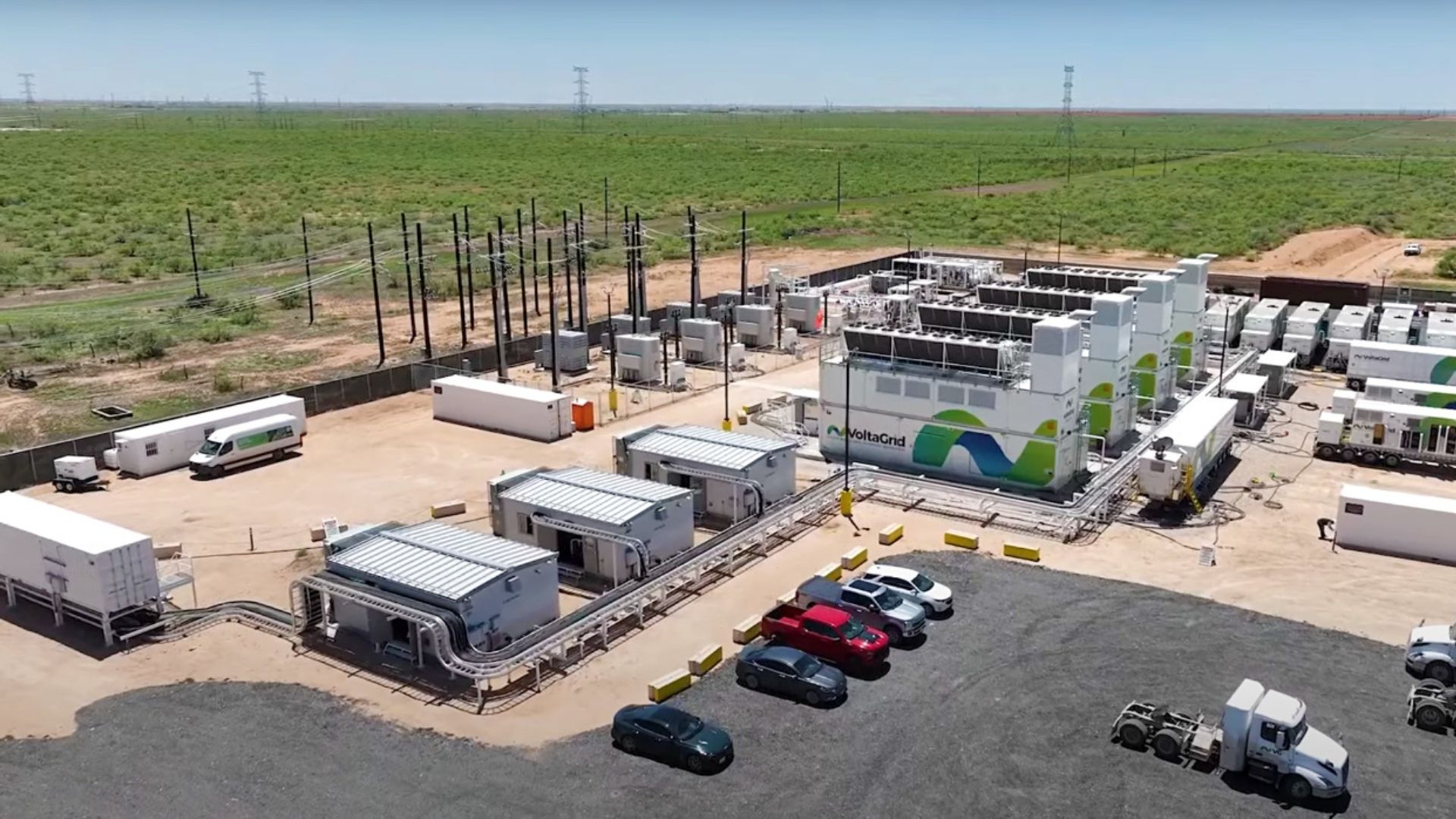
The EPA has issued a ruling that removes permitting exemptions for all gas turbine generators, including portable units, requiring air permits and compliance with the Clean Air Act. The change closes a local 364-day loophole that allowed xAI to power a 100,000-Nvidia-H200-GPU data center in 19 days using portable turbines while a 150MW substation was completed; the ruling raises regulatory burdens, potential delays and costs for hyperscalers (including examples like OpenAI) that have relied on on-site generation, and could shift incremental demand onto the grid with implications for local electricity prices and project timelines.
Market structure: The EPA ruling raises the cost and lead time for using on‑site gas turbines, advantaging large hyperscalers with firm utility contracts (MSFT, GOOG, AMZN) and disadvantaging fast-build startups (xAI). Expect 3–12 month go‑live delays for projects that planned temporary turbines and a 12–36 month acceleration in utility interconnection and transmission capex (2–5 year transmission build cycles). Short-term pricing power shifts to regulated utilities (rate base recovery) and to grid engineering firms; portable turbine OEM demand should fall.
Risk assessment: Tail risks include a nationwide tightening or litigation (injunctions) that pauses turbine use or, conversely, emergency waivers if grid stress spikes this summer; both could move earnings ±10–30% for affected players. Immediate (days) volatility is event-driven; short-term (weeks–months) see permitting and utility-queue repricings; long-term (1–3 years) is higher utility capex and potential electricity price inflation 2–5% locally. Hidden dependencies: state PUC cost recovery rules, interconnection queue backlogs, and local air permitting capacity.
Trade implications: Favor regulated utilities (NEE, DUK) and grid services; de‑risk portable generator OEM exposure (CAT, CMI) in the near term. Use structured options to express views: buy bullish utility spreads and hedge high-growth AI longs with protective puts. Monitor EPA enforcement window (next 30–90 days) and state legal challenges as catalysts to add/remove risk.
Contrarian angles: Market is pricing a permanent slowdown in AI rollouts; that is likely overdone—GPU demand is sticky and NVIDIA (NVDA) revenue timing will shift but not vanish. If litigation delays are overturned within 3–6 months, NVDA and data‑center REITs (DLR, EQIX) should snap back; conversely prolonged grid stress could materially re‑rate utilities higher.
AI-powered research, real-time alerts, and portfolio analytics for institutional investors.
Request DemoOverall Sentiment
moderately negative
Sentiment Score
-0.35
Ticker Sentiment
