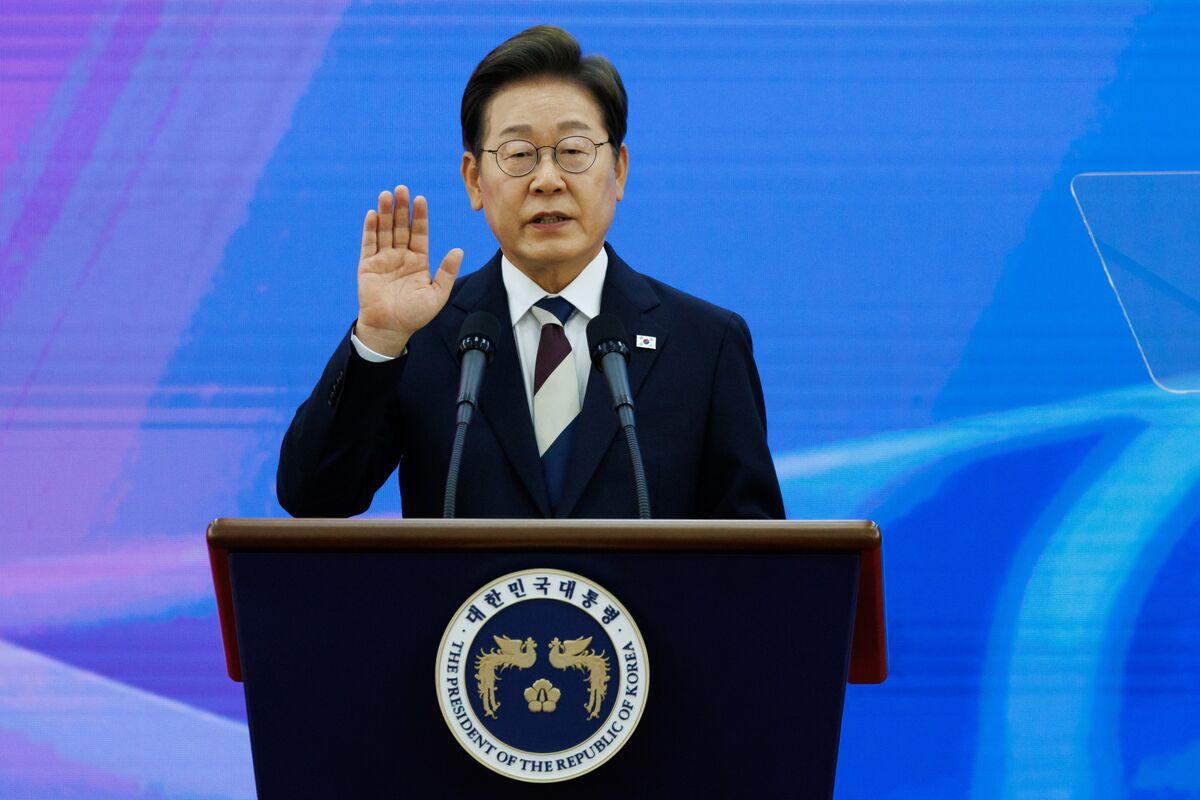
South Korea’s Ministry of Economy and Finance (MOEF) may lose its budget drafting authority as part of reforms initiated by the Lee Jae Myung government. This move, driven by concerns from presidential ally Lee Han-joo regarding the MOEF's perceived excessive power, aims to separate its budgeting and planning functions, potentially reshaping the nation's fiscal policy and governance structure.
The new South Korean government under President Lee Jae Myung is contemplating a significant structural reform that could strip the Ministry of Economy and Finance (MOEF) of its authority to draft the national budget. This initiative, articulated by key presidential ally Lee Han-joo, is driven by the perception that the ministry has become overly powerful, prompting a proposal to separate its budgeting and planning functions. Such a move would represent a fundamental overhaul of the country's fiscal governance, potentially altering how government spending priorities are determined and reshaping the power dynamics among financial and regulatory bodies. While the immediate market impact is assessed as moderate, the proposal introduces a notable layer of political and regulatory uncertainty into South Korea's economic policy framework, warranting close observation from a macroeconomic perspective.
AI-powered research, real-time alerts, and portfolio analytics for institutional investors.
Request DemoOverall Sentiment
neutral
Sentiment Score
0.00
