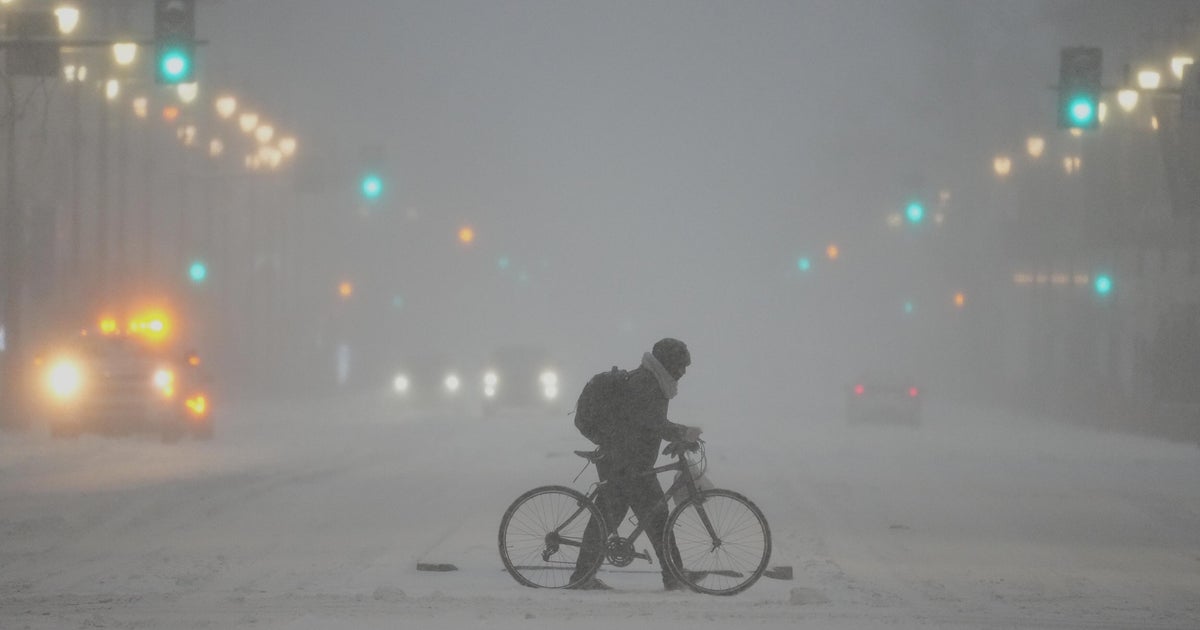
A powerful winter storm swept across roughly two-thirds of the U.S., impacting an estimated 200 million people and causing at least 41 confirmed storm-related deaths (with local officials reporting about 20 additional probable weather-linked fatalities) and more than 400,000 customers without power as of Wednesday. Persistent frigid conditions—temperatures 15–25°F below seasonal averages, NYC wind chills between -15°F and 5°F—along with forecasts for additional Arctic blasts, 1–2 feet of lake-effect snow in parts of upstate New York and a possible weekend “bomb cyclone” raise near-term risks to energy demand and grid reliability, transportation/logistics disruption, and localized insured losses that could affect utilities, regional transport operators and energy markets.
Market structure: Winners in the next 7–60 days are short-dated natural gas and winter-fuel exposure (Henry Hub front-month, heating oil) plus demand beneficiaries such as home-improvement retail (LOW, HD) and snow-equipment OEMs; losers are airlines (UAL, DAL, AAL) and regional distribution utilities with outage liabilities (PPL, DUK). Price formation will be driven by immediate weather-driven demand shocks — expect spot Henry Hub and regional power spark spreads to spike 20–50% intramonth if cold persists and pipeline constraints limit flows. Cross-asset: expect Treasury rallies (risk-off), USD strength, higher commodity vols (NG, ULSD), and elevated equity option skews for travel and utilities.
Risk assessment: Tail risks include extended grid failures triggering federal investigations and forced capex that could compress regulated utility ROEs — a regulatory shock that can materialize over 1–6 months. Near-term catalyst set: additional Arctic blasts (days), weekly EIA storage prints (Wednesdays) and outage counts (poweroutage.us) will accelerate moves; second-order risks: LNG flows re-directed overseas or pipeline freeze-offs that amplify domestic shortages. Time buckets: immediate (days) = logistics/airline disruption; short-term (weeks) = fuel price spikes; medium (months) = regulatory & insurance hit; long-term (quarters+) = capex and policy changes.
Trade implications: Implement asymmetric, short-dated trades: buy 30–60 day NYMEX Henry Hub call spreads (targeting 20–40% move) sized ~2% portfolio notional, exit on 30% realized-vol compression or EIA storage revision below seasonal avg. Short 1–2% positions in UAL/DAL or buy 30-day ATM puts to capture operational risk; take 2–3% long in LOW or HD for a 1–3 month horizon to capture replacement/retail demand. Trim exposure to regional electric equities (reduce PPL/DUK exposure by ~1–2% weight) until state-level inquiry risk clears in 3–6 months.
Contrarian angles: The market often overprices permanent regulatory losses after a single event — note 2014 polar-vortex: gas and power spiked then mean-reverted in 2–4 months; selective long opportunities exist in midstream (KMI, ET) where fees are contracted and cashflows are sticky but have been oversold. Monitor hard data (EIA storage deviation > -50 Bcf vs 5-yr avg, cumulative outage >500k customers for >72 hours) to flip trades; avoid being long utilities on headline fear alone, consider credit picks in municipal bonds of lightly-affected states if yields widen >50bps.
AI-powered research, real-time alerts, and portfolio analytics for institutional investors.
Request DemoOverall Sentiment
moderately negative
Sentiment Score
-0.45
