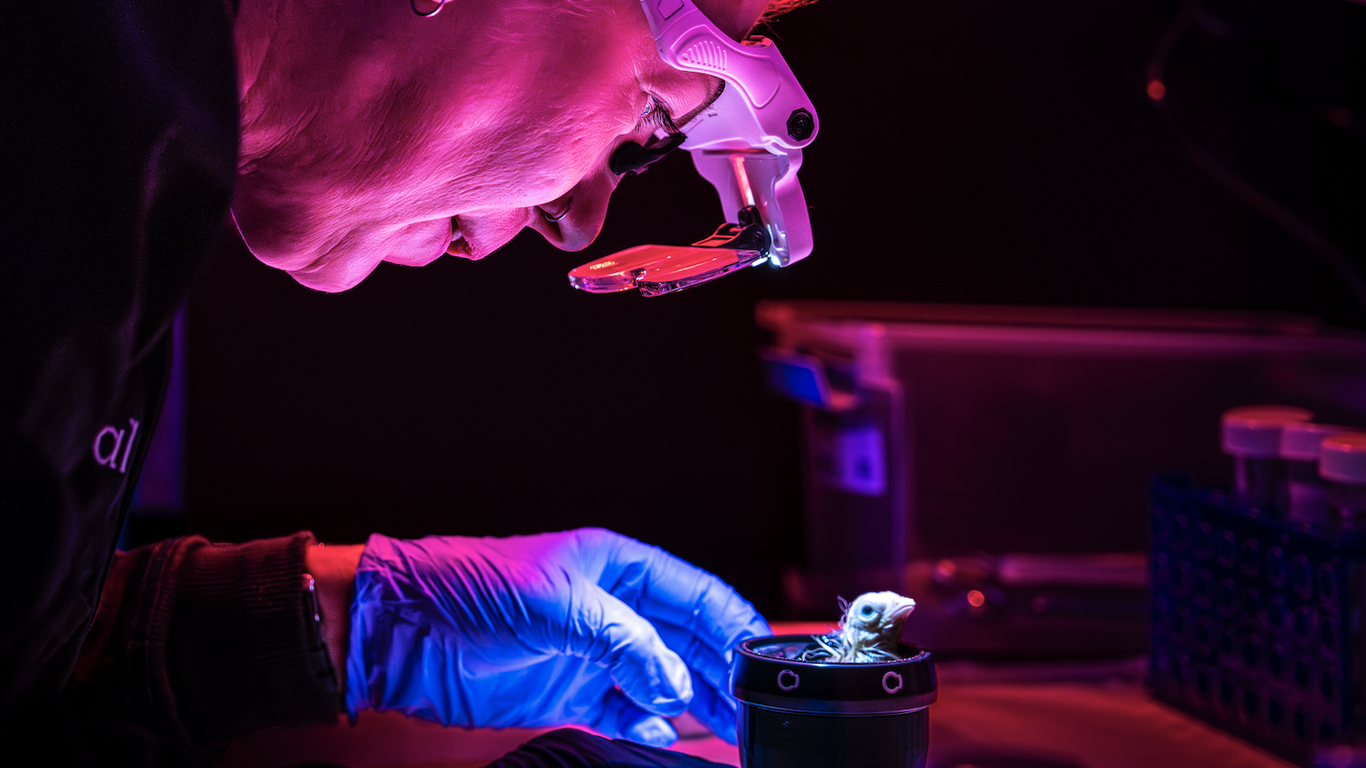
Colossal says it has hatched live chicks from fully artificial eggs, an early technical milestone for its de-extinction and bird-conservation platform. The company says the 3D-printed egg can be manufactured at scale, adapted to different sizes, and may eventually help rescue compromised embryos and support threatened bird species. The news is scientifically significant but is unlikely to have an immediate material market impact.
This is a platform-validation event, not yet a monetization event. The real market signal is that a notoriously hard biological scaling problem has been solved with an engineered interface, which should lower perceived technical risk across adjacent synthetic-biology and lab-grown-organism toolchains. The second-order winner is likely the enabling stack: biofabrication, microfluidics, advanced materials, and automation vendors that can sell picks-and-shovels into a longer-duration R&D budget cycle.
The key competitive implication is that de-extinction is probably the least important use case economically; conservation, embryo rescue, and avian research are the addressable wedges that can create recurring B2B/B2G demand. That shifts the opportunity set away from one-off headline-driven funding toward platform contracts with zoos, agricultural genetics groups, and public conservation agencies. If the technology proves reusable across species sizes, it could also pressure incumbent incubation and animal-health workflows by replacing some manual hatchery infrastructure with standardized manufactured systems.
The main risk is a classic science-commercialization gap: impressive demos can still fail at scale, especially on viability, throughput, and cost per hatch. Expect a 6-18 month window where replication data matters more than the initial announcement; any evidence of embryo mortality, deformation, or low yield would quickly unwind enthusiasm. Conversely, if independent validation emerges, the upside is more in valuation re-rating for adjacent private names than in direct revenue from this company.
Contrarian view: the market may be underestimating how limited the near-term TAM is. Even if the platform works broadly, conservation applications are mission-driven and slow-moving, so revenue conversion could lag the science by years. The better trade is to own the infrastructure that scales across many synthetic-biology use cases rather than the headline biology story itself.
AI-powered research, real-time alerts, and portfolio analytics for institutional investors.
Request DemoOverall Sentiment
mildly positive
Sentiment Score
0.35
