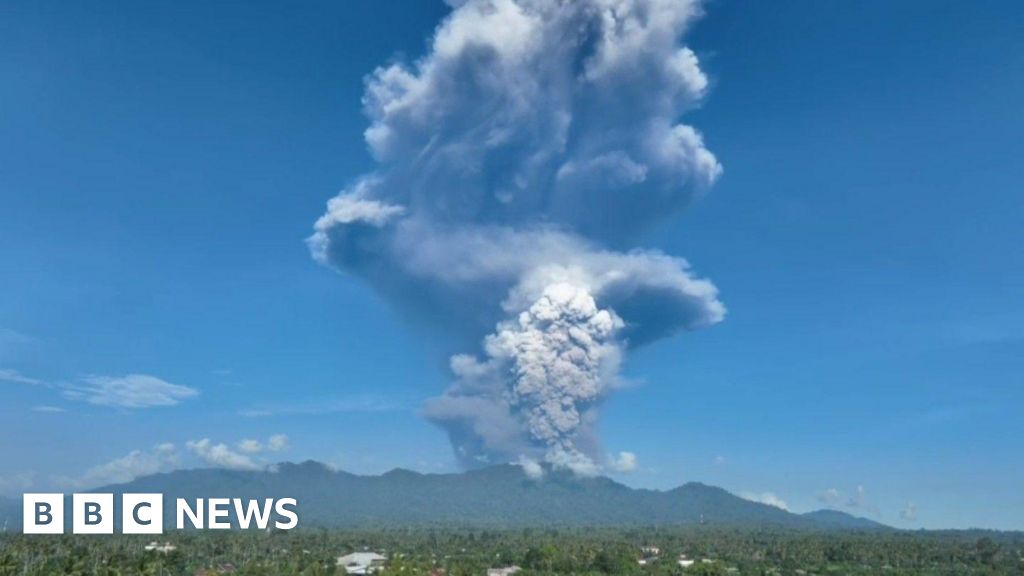
Three hikers died after Mount Dukono erupted on Indonesia's North Maluku island, sending ash 10 km into the sky and forcing the evacuation of the remaining members of a 20-person hiking group. Officials said two of the victims were Singaporeans and one was a local resident, and retrieval of the bodies was delayed by continued eruptions and difficult terrain. The incident highlights elevated safety risks for tourism activity around an active volcano despite repeated warnings and a level-two alert.
This is not an isolated tourism tragedy; it is a reminder that Indonesia’s leisure economy carries a persistent latent-risk discount that the market typically underprices until a high-profile fatality forces a temporary repricing. The first-order hit is to local tour operators, guides, transport, and hospitality tied to “adventure” itineraries around active volcanic sites, but the second-order effect is reputational: booking platforms and inbound operators may see a short-lived demand pause for North Maluku and adjacent destinations as international travelers re-rate safety assumptions.
The bigger medium-term issue is regulatory. Incidents like this usually increase pressure on local governments to convert “recommendations” into enforceable closures, which can create a clampdown on informal tourism supply and on-the-ground operators that rely on weak enforcement. That matters because the economic ecosystem around these attractions is highly localized; even a modest tightening can redirect spend to safer, better-managed Indonesian destinations rather than eliminating it entirely.
For markets, the relevant tradable expression is not the disaster itself but the broader risk premium on Indonesian discretionary travel and on firms with exposure to adventure-tourism demand in Southeast Asia. The move should be shallow in duration but sharp in sentiment: days to weeks for headlines, then normalization unless authorities escalate restrictions or there is a follow-on eruption cycle. If search-and-rescue or verification of additional hikers reveals mismanagement by operators, the reputational damage could extend into months and trigger civil liability, licensing reviews, and booking pullbacks.
Contrarian view: this may be overread if investors assume a broad Indonesia tourism shock. The impact is likely concentrated in niche adventure segments because most inbound tourism is anchored in Bali, Jakarta, and other lower-risk destinations. The real alpha is in identifying whether this becomes a one-off headline or the catalyst for a broader enforcement regime against unsafe volcanic tourism; only the latter justifies a longer-duration short.
AI-powered research, real-time alerts, and portfolio analytics for institutional investors.
Request DemoOverall Sentiment
strongly negative
Sentiment Score
-0.72
