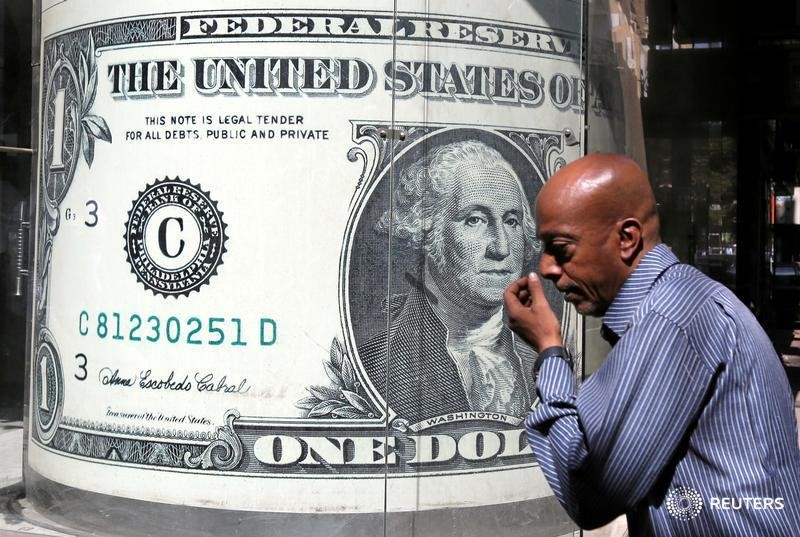
The U.S. dollar struggled to recover, trading near multi-week lows, as a fragile Middle East ceasefire boosted risk-on sentiment, diminishing safe-haven demand. Federal Reserve Chair Powell's testimony, downplaying imminent rate cuts and highlighting trade tariffs as an inflation concern, further influenced the greenback's subdued performance. Concurrently, the euro edged down from multi-year highs after the ECB signaled a potential policy pause post-rate cuts, while the Japanese yen weakened as its safe-haven appeal waned amid geopolitical de-escalation and the Bank of Japan's cautious stance on rates due to U.S. tariff uncertainty.
The U.S. dollar is facing downward pressure, trading near multi-week lows as a fragile truce in the Middle East encourages a risk-on market sentiment, thereby reducing demand for the currency as a safe haven. Although the Dollar Index edged up 0.2% to 97.665, it remains fundamentally weak. This dynamic is compounded by uncertainty surrounding U.S. monetary policy; Federal Reserve Chair Jerome Powell has downplayed the prospect of imminent rate cuts but simultaneously highlighted trade tariffs as a key inflationary risk. This has introduced a potential "sharply USD-negative scenario," as noted by ING analysts, should the Fed pivot more abruptly dovish or its independence come into question. In other major currencies, the EUR/USD has pulled back slightly to 1.1599 after testing multi-year highs near the 1.160-1.165 resistance area, with the European Central Bank signaling a policy pause. The Japanese yen weakened, with USD/JPY rising 0.3% to 145.31, consistent with the decline in safe-haven demand. Meanwhile, the Australian dollar fell to 0.6495 after domestic headline CPI inflation dropped to a seven-month low, indicating its sensitivity to local economic data.
AI-powered research, real-time alerts, and portfolio analytics for institutional investors.
Overall Sentiment
mixed
Sentiment Score
0.05
Ticker Sentiment
