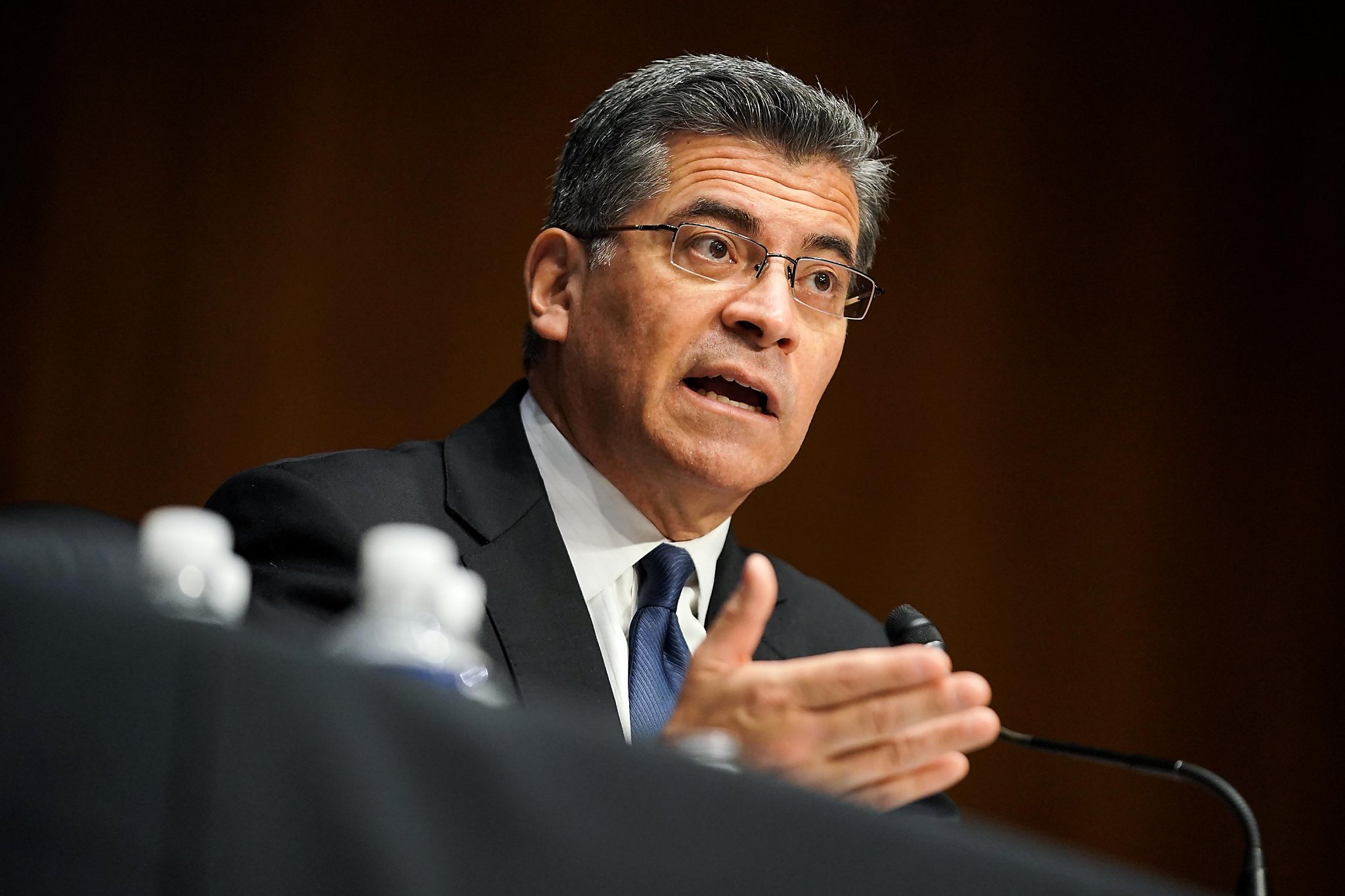
USC canceled its March 24 gubernatorial debate less than a day before the event after accusations it excluded four candidates of color. Xavier Becerra and the excluded candidates (Betty Yee, Antonio Villaraigosa, Tony Thurmond) criticized the eligibility formula — based on fundraising and polling — as favoring wealthy, donor-backed entrants such as Matt Mahan; Becerra celebrated the cancellation. The incident poses reputational risk for USC and may prompt calls to boycott or reform university-hosted political forums.
This episode sharpens a governance-and-reputation channel that has been underpriced in Big Tech: partnerships and venue associations now carry asymmetric political risk that translates into episodic ad-market volatility. Financially, the mechanism is not ad-revenue loss from one event but higher recurring compliance and PR costs (legal teams, transparency tooling, bespoke partnership clauses) that nudge marginal gross margins down by a few hundred basis points over multiple quarters if the political environment hardens.
Near-term catalysts are media cycles and state-level inquiries — days-to-weeks — that amplify headline risk and implied volatility; medium-term catalysts are legislative moves on ad transparency and platform liability over 3–18 months. A realistic tail is a localized ad boycott or procurement shifts by politically sensitive institutional advertisers, which would shave 1–3% off quarterly ad growth in affected geographies before broader recovery.
Contrarian angle: fundamentals remain dominated by search/ad stack monopoly economics and AI-driven yield improvement, so any pullback is likely transient and creates optionality; downside is capped absent coordinated federal action. The actionable frame is therefore volatility arbitrage and small, hedged directional exposure rather than naked long/short conviction on market share loss.
AI-powered research, real-time alerts, and portfolio analytics for institutional investors.
Request DemoOverall Sentiment
mildly negative
Sentiment Score
-0.20
Ticker Sentiment
