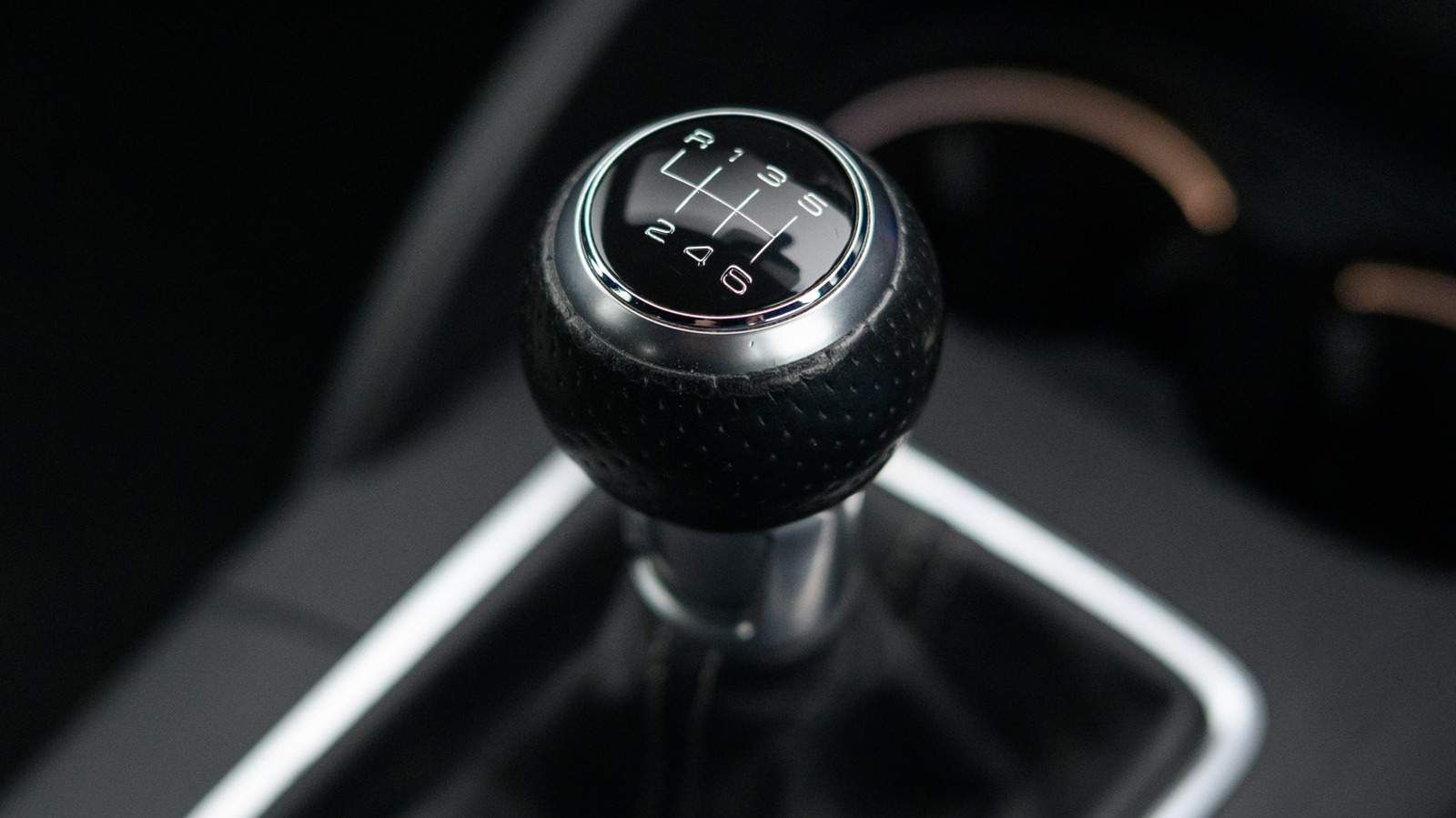
Only 1.3% of new cars are sold with manual transmissions; the article profiles five affordable 2026 manual-equipped models priced $31,665–$35,020: Mazda MX-5 Miata ($31,665), Toyota GR86 ($32,395), Honda Civic Si ($32,690), Subaru WRX Base ($33,690), and VW Jetta GLI ($35,020). Power ranges from 181–271 hp, tested 0–60 times where provided run 5.5–6.6s, and layouts include RWD (Miata/GR86), FWD (Civic Si/Jetta GLI) and AWD (WRX), highlighting continued niche demand for driver-focused manuals.
The persistence of a small, vocal manual-transmission niche creates several underappreciated revenue streams that are asymmetric in time: near-term search and model-launch traffic spikes (e.g., WRX spring 2026) that disproportionately lift classifieds and display ad CPMs, and a multi-year tail supporting higher residuals and aftermarket parts for ICE enthusiast vehicles. OEMs and assemblers benefit from SKU simplification as manuals vanish — lower tooling and quality-control spend — but dealers and independent service shops capture recurring clutch/gearbox service dollars that are sticky and higher-margin than new-car transaction revenue.
Second-order supply-chain effects matter: low-volume manual components support specialized suppliers with concentrated revenue (clutch packs, synchronized gearsets, flywheels); as volumes fall below break-even thresholds over 3–7 years, rationalization will force price increases on replacement parts, boosting aftermarket margins while compressing OEM part-sourcing options. Conversely, the enthusiast premium for manuals props up used-ICE pricing relative to broader used-car declines, subtly shortening the velocity of trade-ins and altering leasing residual assumptions used by captives and securitizations.
Macro reversal risks are straightforward and near-term: a faster-than-expected EV penetration or a meaningful economic slowdown that shaves new-car spend by >10% YoY in a rolling quarter will collapse search/ad demand and dealer inventories, negating the near-term ad-revenue uplift. For investors, the highest-probability catalyst window is 3–12 months around model refresh launches and summer buying season; longer-term structural decline for manuals plays out over 3–7 years and favors aftermarket and niche specialist exposures over mass-market OEMs.
AI-powered research, real-time alerts, and portfolio analytics for institutional investors.
Request DemoOverall Sentiment
neutral
Sentiment Score
0.05
Ticker Sentiment
