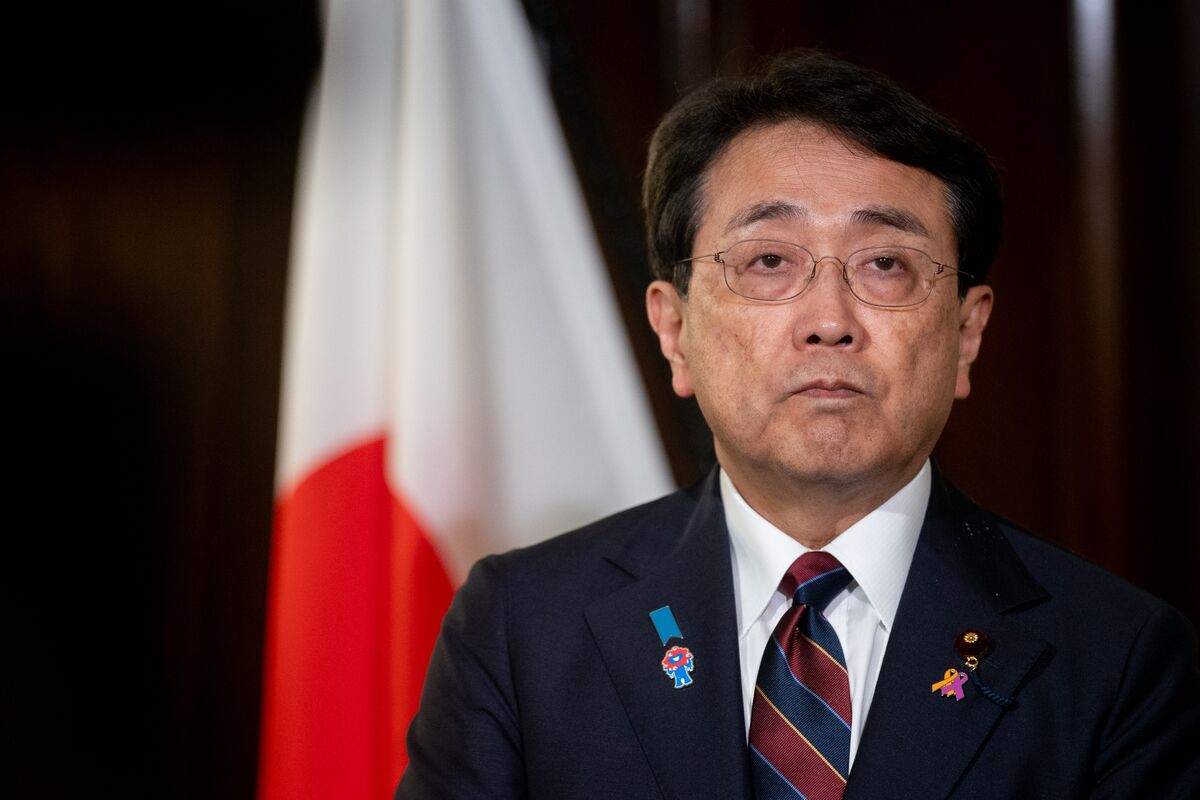
Japan's recently announced $550 billion fund for the US will consist overwhelmingly of loans, with only 1-2% slated for direct investment, according to chief negotiator Ryosei Akazawa. This clarifies the fund's nature as primarily a lending facility rather than a significant direct capital expenditure initiative. Separately, Japan anticipates saving approximately ¥10 trillion ($68 billion) through reduced tariffs as part of the bilateral agreement.
The recently announced $550 billion US fund from Japan will have a substantially different composition than the headline figure might suggest, with only 1-2% ($5.5 billion to $11 billion) allocated to direct investment. According to chief negotiator Ryosei Akazawa, the vast majority of the fund will be structured as loans, fundamentally altering its economic impact from a massive capital expenditure program to a large-scale lending facility. This clarification tempers expectations for a surge of Japanese foreign direct investment into the US. Concurrently, the bilateral agreement provides a significant economic benefit to Japan, which is projected to save approximately ¥10 trillion ($68 billion) due to lower tariff rates. This tariff reduction enhances the competitiveness of Japanese exports to the US, representing a tangible and direct fiscal advantage for Japan's economy.
AI-powered research, real-time alerts, and portfolio analytics for institutional investors.
Request DemoOverall Sentiment
mildly positive
Sentiment Score
0.20
