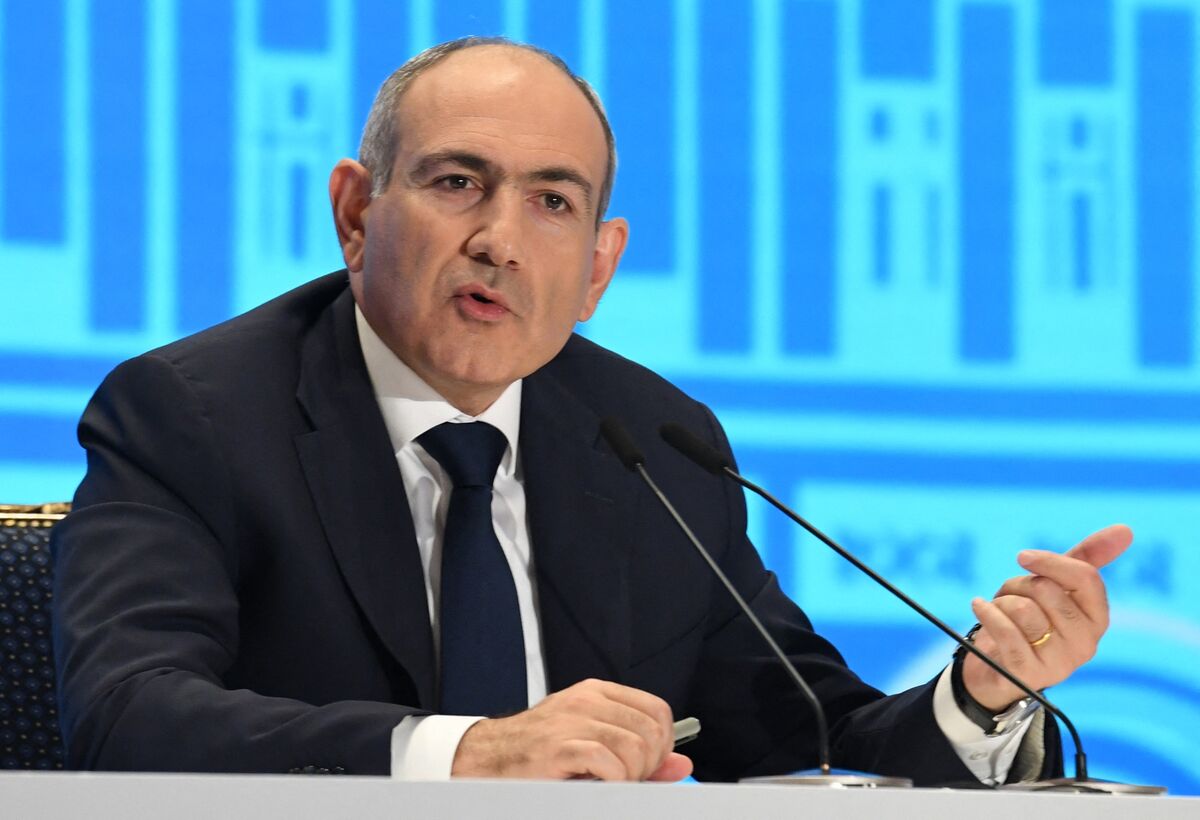
Armenian Prime Minister Nikol Pashinyan is scheduled to meet with US President Donald Trump and Azerbaijani President Ilham Aliyev in Washington on August 7-8 for trilateral talks aimed at finalizing a peace treaty between Armenia and Azerbaijan. This diplomatic engagement seeks to resolve a decades-long conflict, fostering regional peace, prosperity, and economic cooperation in the South Caucasus, and deepening the Armenia-US strategic partnership.
A high-level trilateral meeting is scheduled for August 7-8 in Washington between Armenian Prime Minister Nikol Pashinyan, Azerbaijani President Ilham Aliyev, and U.S. President Donald Trump. The primary objective is to advance and potentially finalize a peace treaty, aiming to resolve the decades-long conflict in the South Caucasus. This diplomatic initiative is framed as a significant step toward fostering regional peace, economic cooperation, and prosperity. While the sentiment surrounding the talks is moderately positive, reflecting optimism for a breakthrough, the low market impact score of 0.25 suggests that markets are pricing this as a low-probability event in the near term, likely due to the protracted nature of the conflict. A successful outcome could de-risk the region for investment and deepen the Armenia-U.S. strategic partnership, representing a key geopolitical development for emerging markets in the Caucasus.
AI-powered research, real-time alerts, and portfolio analytics for institutional investors.
Request DemoOverall Sentiment
moderately positive
Sentiment Score
0.50
