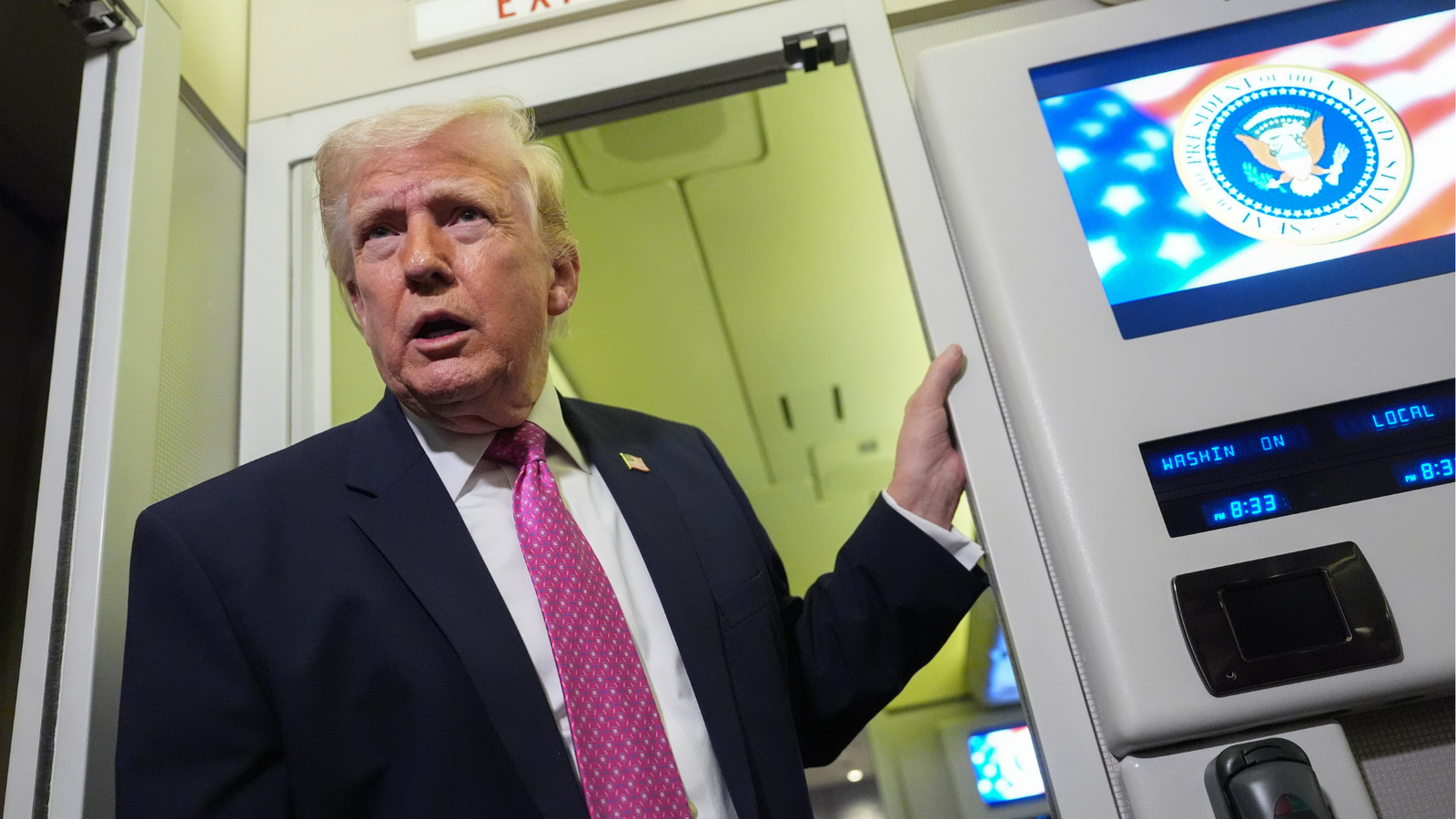
Key event: President Trump threatened to "obliterate" Iran's electric generating plants, oil wells and Kharg Island if negotiations fail, following reported U.S.-Israeli strikes on Feb. 28 that killed Supreme Leader Ayatollah Ali Khamenei and resulted in Mojtaba Khamenei assuming leadership. Iran has retaliated with missile and drone attacks on Israel, regional U.S. bases and multiple Gulf states and is disrupting shipping through the Strait of Hormuz, raising immediate energy-supply and insurance risks and likely increasing oil-price volatility. Spain's closure of airspace to U.S. military flights and White House talk of asking regional allies to help fund operations further heighten geopolitical risk, favoring defense and energy-sector exposure while supporting a risk-off portfolio stance.
A protracted Gulf-area kinetic and economic disruption creates asymmetric wins: specialty insurers, shipowners with VLCC/tanker exposure and premium war-risk insurers capture near-term cashflows from elevated freight and insurance spreads, while high-margin, short-cycle U.S. onshore producers can convert spikes in realized oil/NGL prices into outsized free cash flow within 1–3 quarters. Conversely, integrated refiners and industrials with heavy import-dependent input exposure face margin compression and potential rerouting costs that compound over months; corporates with single-source desalination or grid-reliant manufacturing in the region see multi-month recovery capex and replacement cycles that raise sovereign and supply-chain credit risk.
Key market-sensitive catalysts are temporal and tiered: headline escalation can move Brent-equivalent spot prices by $10–30/bbl within days if major seaborne flows are interrupted, while a negotiated de‑escalation or re‑routing that restores 70–90% of flows would mean a material price rollover over 4–12 weeks. Watchilliquid market signals — VLCC charter rates, war-risk premium moves, and near-term forward curve steepness — as higher-fidelity, leading indicators that precede equity moves by 3–10 trading days.
The consensus largely prices only an energy shock; it underweights the fiscal and political transmission mechanisms. If coalition burden‑sharing (direct payments, basing fees) accelerates, defense capex and government contractor revenue visibility could re-rate structurally, but if the shock forces prolonged rerouting, global trade elasticity and inventory buffers (refined product stockpiles, carrier capacity) will determine whether price effects persist beyond a single crude-price cycle.
AI-powered research, real-time alerts, and portfolio analytics for institutional investors.
Request DemoOverall Sentiment
strongly negative
Sentiment Score
-0.80
