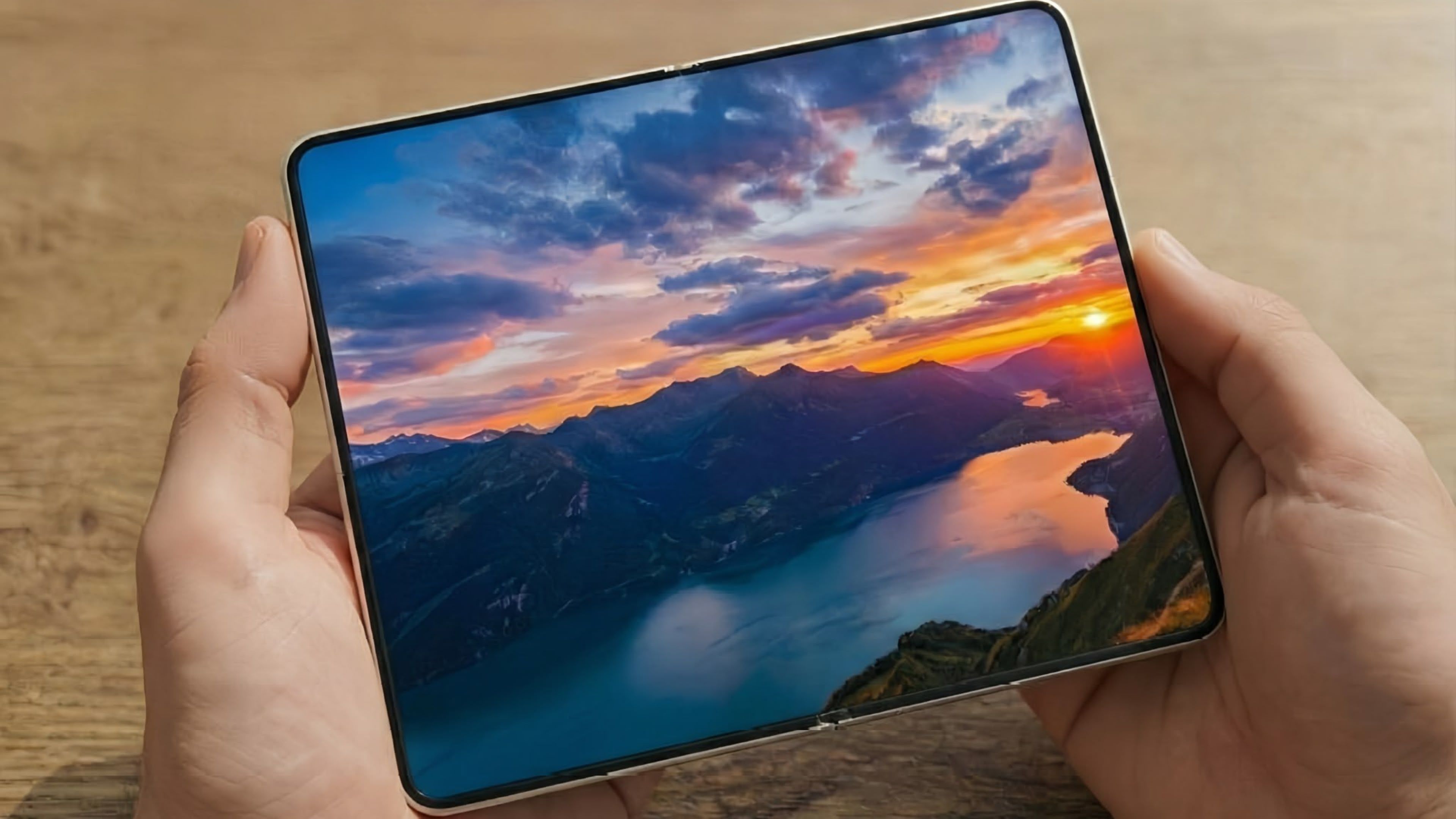
Samsung plans an initial production run of roughly 1 million units for its Wide Fold foldable — a 7.6-inch 4:3 inner display with a 5.4-inch cover screen — positioning the device to directly compete with Apple's rumored foldable iPhone. The Wide Fold's 1M run contrasts with a limited Galaxy Z TriFold batch (~200,000 units), which is due Jan. 30 at a $2,899 starting price, and Samsung expects overall foldable shipments to rise from last year's >6 million units. Industry analyst Ming‑Chi Kuo projects Apple could sell 8–10 million foldables in the first year if it launches in 2026, and Samsung may scale Wide Fold output further depending on market response; Wide Fold is reported to debut alongside the Fold 8 and Flip 8 at Samsung's July Unpacked event.
Market structure: Samsung Electronics (005930.KS / SSNLF) and downstream OLED/material suppliers (e.g., Universal Display, ticker OLED) are the primary beneficiaries if Samsung ships ~1M Wide Fold units and expands foldable category beyond 6M units/year; Apple (AAPL) faces modest share-pressure for premium foldable demand but retains broader iPhone ecosystem pricing power. A successful Wide Fold launch and co-timed Z Fold 8/Flip 8 in July could compress average selling prices in the ultra-phone tier by 5–15% through promotional overlap and faster inventory turns.
Risk assessment: Near-term catalysts are Samsung’s July Unpacked and Apple’s September event — immediate volatility risk around those dates. Tail risks: Apple delays or underprices its foldable, Samsung hinge/display yields fall below 85% causing recalls and a >$1bn warranty hit, or regulatory action on component sourcing; time horizons: days (event volatility), weeks–months (preorders/sell-through), 6–24 months (market share and margin shifts). Hidden dependencies include UTG/hinge supplier capacity and yield curves that can swing component ASPs by ±20%.
Trade implications: Favor display-materials and component exposure over handset OEM beta. Use concentrated, size-controlled trades: buy OLED exposure (stock or 9–12m call spreads) and hedge Apple headline risk with 6–9m AAPL puts. Consider a pair: long OLED 1–2% NAV vs short AAPL 0.5–1% NAV to express display-led upside while limiting single-name downside.
Contrarian view: Consensus underestimates cannibalization and warranty/go-to-market execution risk; a 1M initial run may overstate sustainable demand — if Samsung oversupplies, component suppliers could see inventory destocking and price pressure. Historical parallel: early large special-model runs (e.g., Galaxy Note variants) produced initial hype then margin erosion; watch sell-through >60% within 30 days as positive signal.
AI-powered research, real-time alerts, and portfolio analytics for institutional investors.
Request DemoOverall Sentiment
mildly positive
Sentiment Score
0.25
Ticker Sentiment
