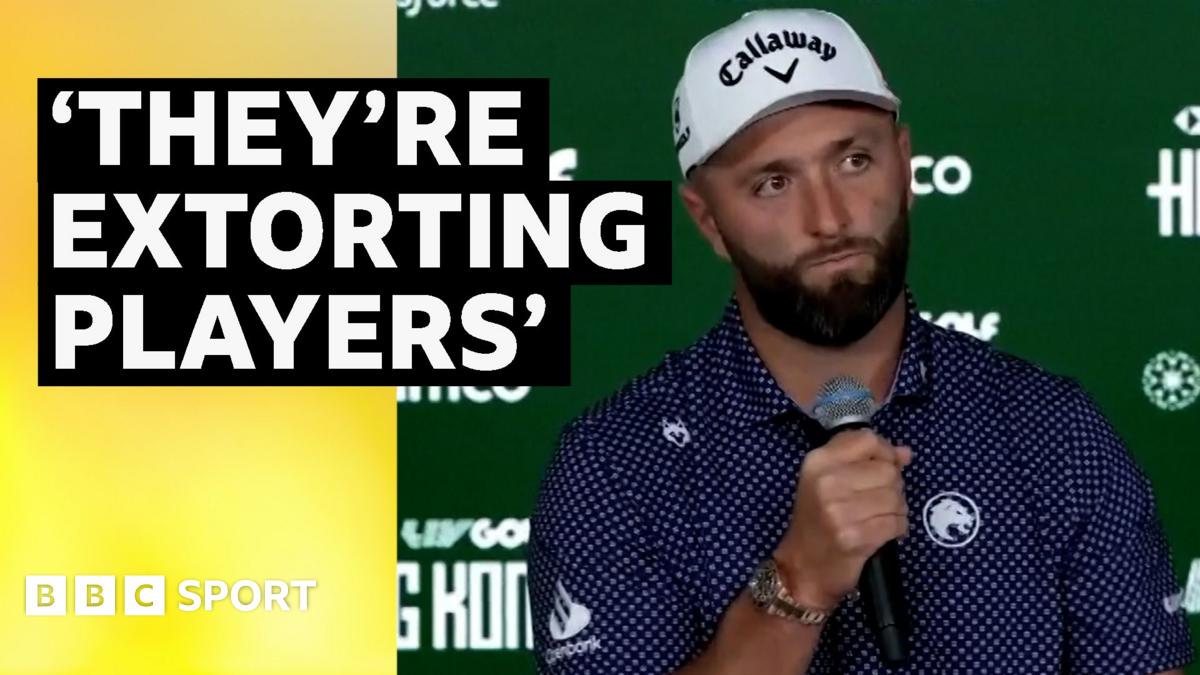
Two-time major champion Jon Rahm has publicly rejected a DP World Tour contract that he says he does not agree with, notably refusing a provision that would require him to play six events; the decision has direct implications for his Ryder Cup eligibility. While not a material financial event, the dispute underscores tensions between top players and the European-based tour and could affect player-tour relations and future negotiations around eligibility and scheduling.
Market structure: Rahm’s rejection highlights a governance/liability standoff that directly hurts the DP World Tour (weaker star field) and European broadcasters/sponsors reliant on marquee names; winners are rival tour operators (PGA Tour/LIV) and broadcasters that aggregate star-driven content. Expect a 5–15% short-term viewership/revenue shock to mid-tier European events if multiple top-20 players follow Rahm’s stance, pressuring sponsorship renewals and local ticketing.
Risk assessment: Tail risks include a coordinated boycott or litigation (antitrust or contract disputes) that removes star players from 30–50% of European schedule weeks — a high-impact, low-probability outcome over 3–12 months. Immediate (days) volatility will be in ticket/betting handles and sponsor announcements, short-term (3–6 months) is negotiation/contract change risk, long-term (12–36 months) is structural consolidation or rights repricing; hidden dependencies include sponsor force-majeure/appearance clauses and broadcaster minimum-guarantee covenants.
Trade implications: Tactical trades should be small, event-driven and asymmetric: short-duration volatility trades on European-focused leisure/sports exposure and selective long exposure to large global aggregators that can arbitrage fragmented rights. Cross-asset: small widening in credit spreads for niche European media/sports bonds (10–50bp move possible) and transient FX flows into USD/GBP as sponsors reprice deals.
Contrarian angles: The market may overstate permanent damage — historical parallels (league disputes/lockouts) show ad/rights markets recover within 12–24 months once contracts reset; unintended consequence is accelerated consolidation that benefits deep-pocketed broadcasters (CMCSA/DIS) and global streaming aggregators. Therefore favor small, time-boxed positions that profit from negotiation windows and mispriced headline risk rather than long-term structural bets on tourism or leisure sectors.
AI-powered research, real-time alerts, and portfolio analytics for institutional investors.
Request TrialOverall Sentiment
neutral
Sentiment Score
0.00
