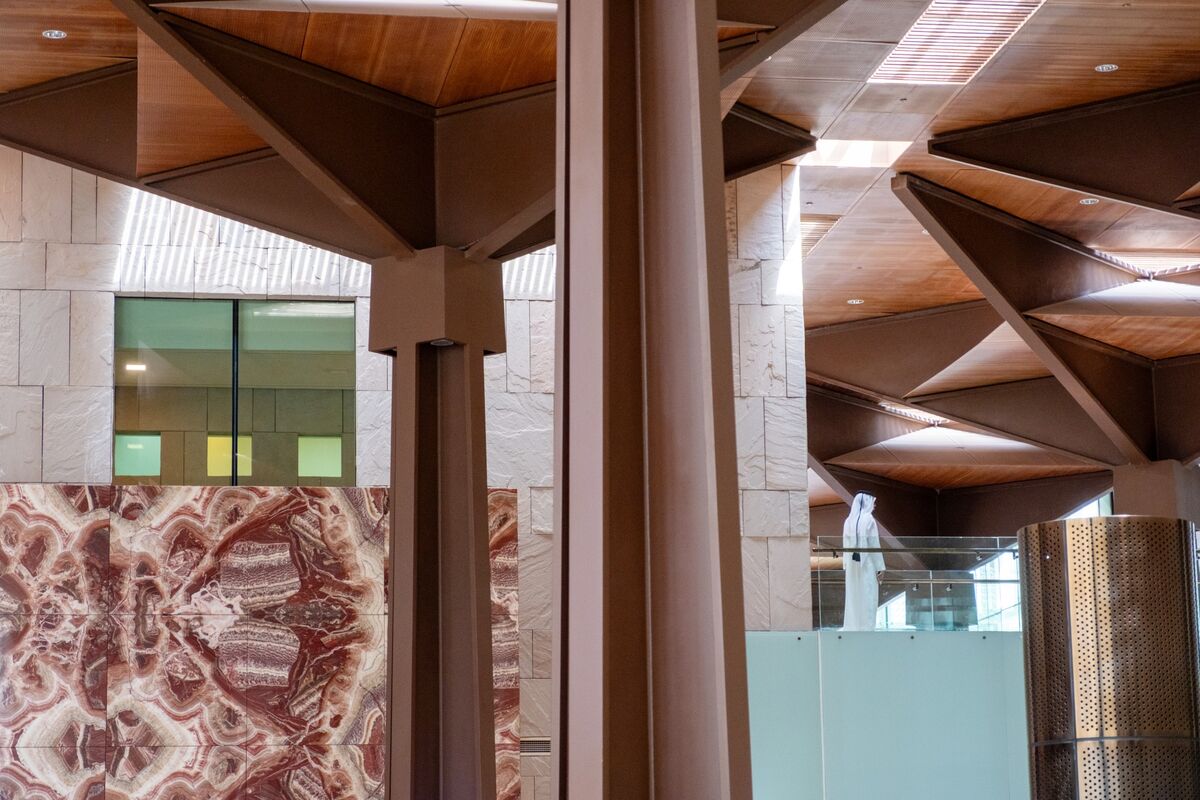
Qatar's American university branches are reporting record enrollment, attracting international students amidst declining admissions in the U.S. due to Trump administration policies. While these offshore campuses provide crucial revenue and brand leverage for institutions like Northwestern and Carnegie Mellon, their presence in Qatar is drawing sharp criticism from Republican lawmakers and the White House over alleged Qatari influence-peddling and propagation of anti-Israel views, leading to withdrawals such as Texas A&M's.
A significant divergence is emerging in international student enrollment, with Qatar's education hub reporting record demand for its American university branches, including those of Northwestern and Carnegie Mellon. This growth contrasts sharply with declining international arrivals in the US, a trend attributed to Trump administration policies such as visa delays and clashes with academic institutions. For US universities, these offshore campuses offer a valuable, brand-leveraging revenue stream during a period of squeezed domestic finances. However, this strategy is fraught with significant political and reputational risk. The article highlights that Republican lawmakers and the White House are scrutinizing these ties, citing concerns over Qatari influence, alleged propagation of anti-Israel views, and Qatar's hosting of a Hamas office. This risk has been realized by Texas A&M, which is terminating its Qatar agreement early and has ceased freshman enrollment for a second year, demonstrating that political pressure can override financial incentives and cause abrupt operational unwinding.
AI-powered research, real-time alerts, and portfolio analytics for institutional investors.
Request DemoOverall Sentiment
mixed
Sentiment Score
-0.15
