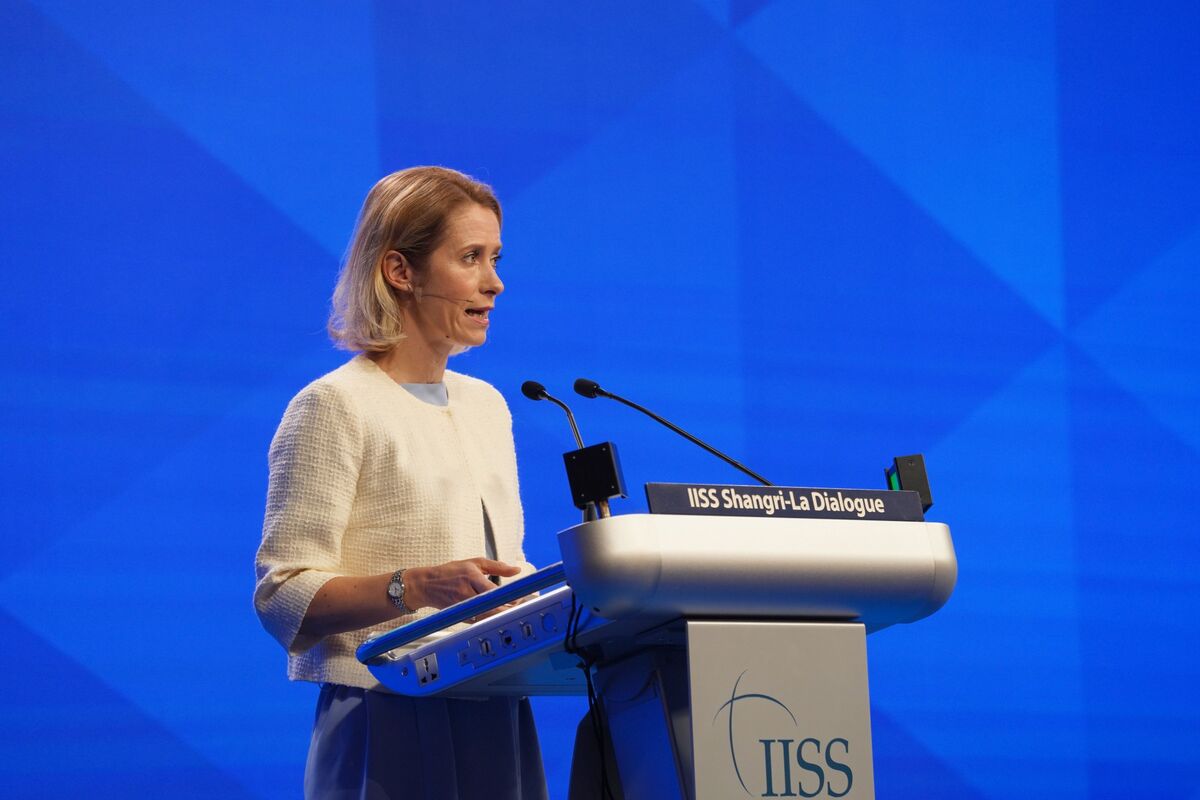
European leaders are framing the combined influence of China and Russia as the world's 'greatest challenge,' advocating for stronger international cooperation to uphold the rules-based order. Kaja Kallas, the EU's top diplomat, and French President Emmanuel Macron have recently highlighted the connection between Russia's actions in Ukraine and its growing alignment with China during discussions in Southeast Asia, signaling a strategic concern over the evolving geopolitical landscape.
European leaders, including the EU's top diplomat Kaja Kallas and French President Emmanuel Macron, are increasingly vocalizing concerns that the deepening relationship between China and Russia, particularly in the context of Vladimir Putin's war against Ukraine, represents the world's "greatest challenge." Their recent engagements in Southeast Asia aim to rally support for preserving the existing rules-based international order against these perceived threats. This diplomatic offensive underscores a significant geopolitical recalibration, with the reported "moderately negative" sentiment and "cautious" tone reflecting the gravity of these concerns. The identified themes of "Geopolitics & War" and "Trade Policy & Supply Chain" highlight the potential for these tensions to spill over into economic spheres, impacting international trade dynamics and supply chain stability, with the market impact score of 0.25 suggesting a contained but noteworthy level of concern requiring investor attention.
AI-powered research, real-time alerts, and portfolio analytics for institutional investors.
Request DemoOverall Sentiment
moderately negative
Sentiment Score
-0.30
