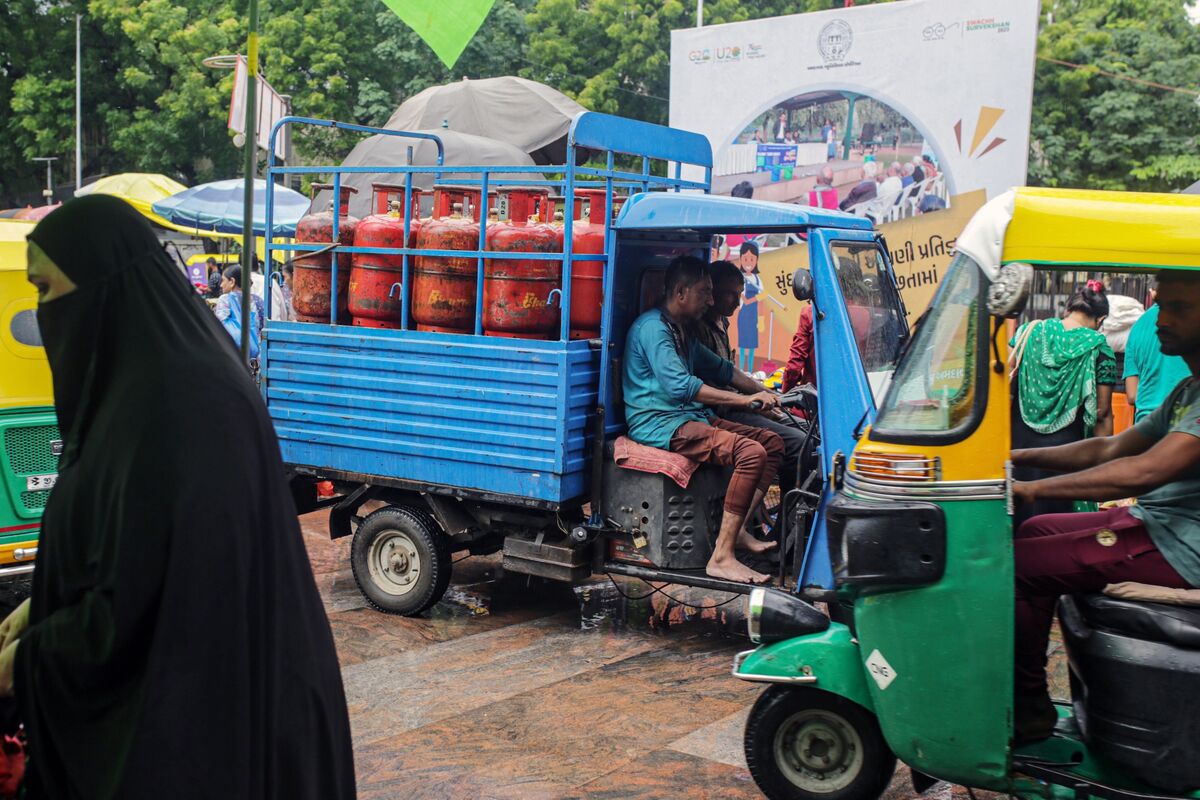
India's cabinet has approved a one-time payout of 300 billion rupees ($3.4 billion) to state-run fuel retailers. This aid is intended to compensate these companies for selling liquefied petroleum gas (LPG) to poor households at subsidized rates, a measure designed to insulate middle-class families from the impact of volatile global gas prices amidst current geopolitical conditions.
The Indian government has approved a significant one-time fiscal infusion of 300 billion rupees ($3.4 billion) to state-run fuel retailers. This direct compensation is designed to offset the financial losses these companies have incurred by selling liquefied petroleum gas (LPG) at subsidized rates to households. According to Information and Broadcasting Minister Ashwini Vaishnaw, this policy decision is a direct response to volatile global gas prices driven by geopolitical factors and aims to insulate consumers from their impact. For the state-owned retailers, this payout is a material positive, as it directly addresses margin compression and improves their near-term liquidity and profitability profile. However, for the government, this represents a substantial expenditure that will weigh on the fiscal budget. The action underscores the government's strategy of using fiscal policy to manage energy-driven inflation and maintain social stability, a common theme in economies with large state-owned energy sectors.
AI-powered research, real-time alerts, and portfolio analytics for institutional investors.
Request DemoOverall Sentiment
moderately positive
Sentiment Score
0.50
