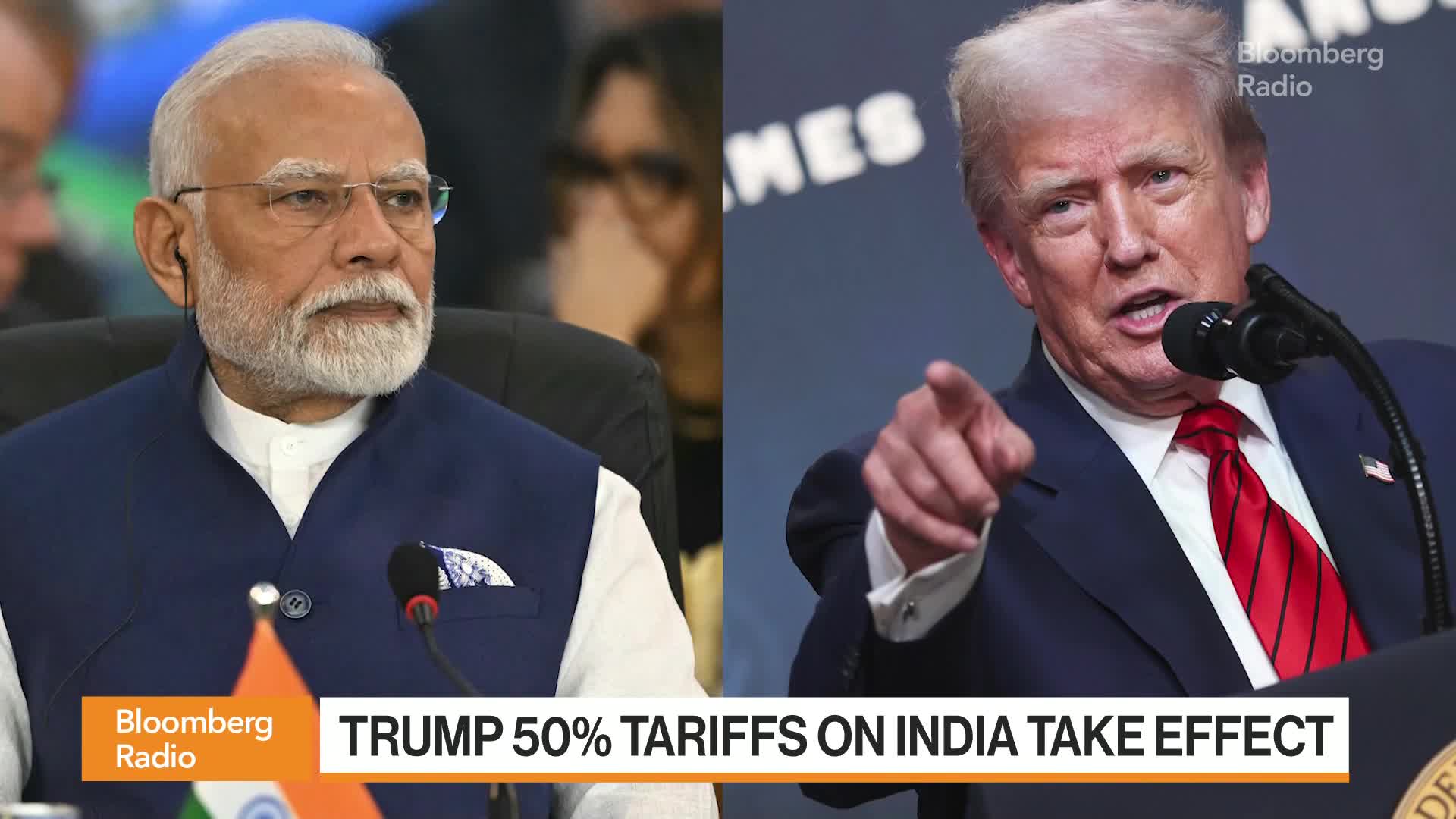
President Trump has implemented a 50% tariff on Indian imports, targeting over 55% of goods shipped to the U.S., India's largest market. This punitive measure, enacted in response to India's oil purchases from Russia, is expected to significantly impact labor-intensive sectors such as textiles and jewelry, and marks a notable shift in diplomatic relations with Indian Prime Minister Narendra Modi.
The United States has enacted a significant 50% tariff on imports from India, a punitive measure directly linked to India's procurement of oil from Russia. This policy is set to have a substantial economic impact, as it targets over 55% of all goods shipped to the U.S., which stands as India's largest export market. The move introduces considerable friction into a major trade relationship and is expected to disproportionately harm India's labor-intensive sectors, specifically textiles and jewelry. The action also signals a severe deterioration in diplomatic ties between the Trump administration and Prime Minister Narendra Modi's government, shifting the geopolitical landscape. The extremely negative sentiment and high market impact score associated with this development underscore the market's perception of this as a major disruption to trade policy and supply chains, fueled by geopolitical tensions.
AI-powered research, real-time alerts, and portfolio analytics for institutional investors.
Request DemoOverall Sentiment
extremely negative
Sentiment Score
-0.80
