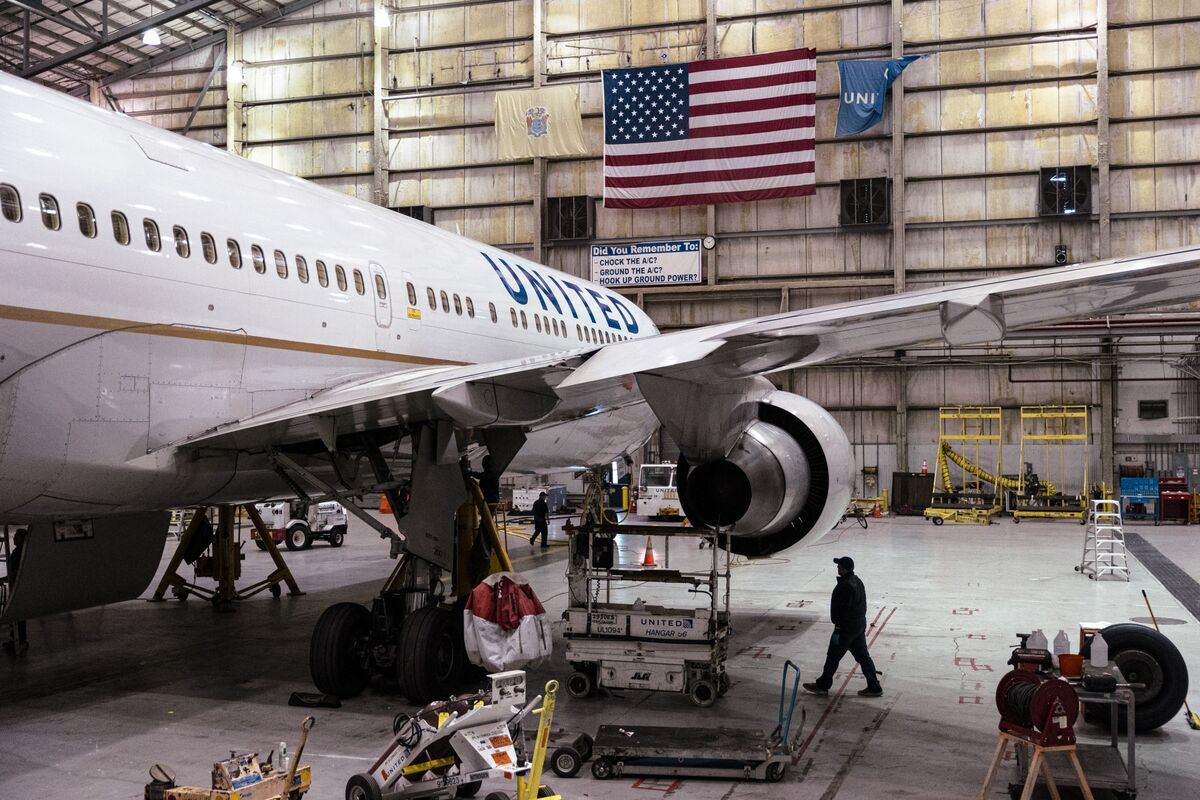
Airlines are facing a potential glut of single-aisle aircraft, a significant reversal from recent shortages, driven by easing supply chain bottlenecks and improved jet output. Melius Research projects a 9.5% increase in the single-aisle fleet next year, substantially outpacing the 2% average air traffic demand growth for 2025 domestic routes, which could prompt carriers to accelerate the retirement of aging jetliners.
The commercial airline industry is facing a significant inflection point, transitioning from a post-pandemic aircraft shortage to a potential oversupply of single-aisle jets. This shift is driven by the dual factors of easing supply chain constraints and improving manufacturing output. According to projections from Melius Research, the single-aisle fleet is expected to expand by a substantial 9.5% next year. This rapid fleet growth starkly contrasts with the forecasted 2% average increase in air traffic demand for 2025 on the domestic routes these aircraft primarily serve. The resulting supply-demand imbalance is likely to compel carriers to accelerate the retirement of older, less fuel-efficient aircraft, a reversal of recent strategies where aging planes were kept in service longer due to delivery delays.
AI-powered research, real-time alerts, and portfolio analytics for institutional investors.
Request DemoOverall Sentiment
moderately positive
Sentiment Score
0.40
