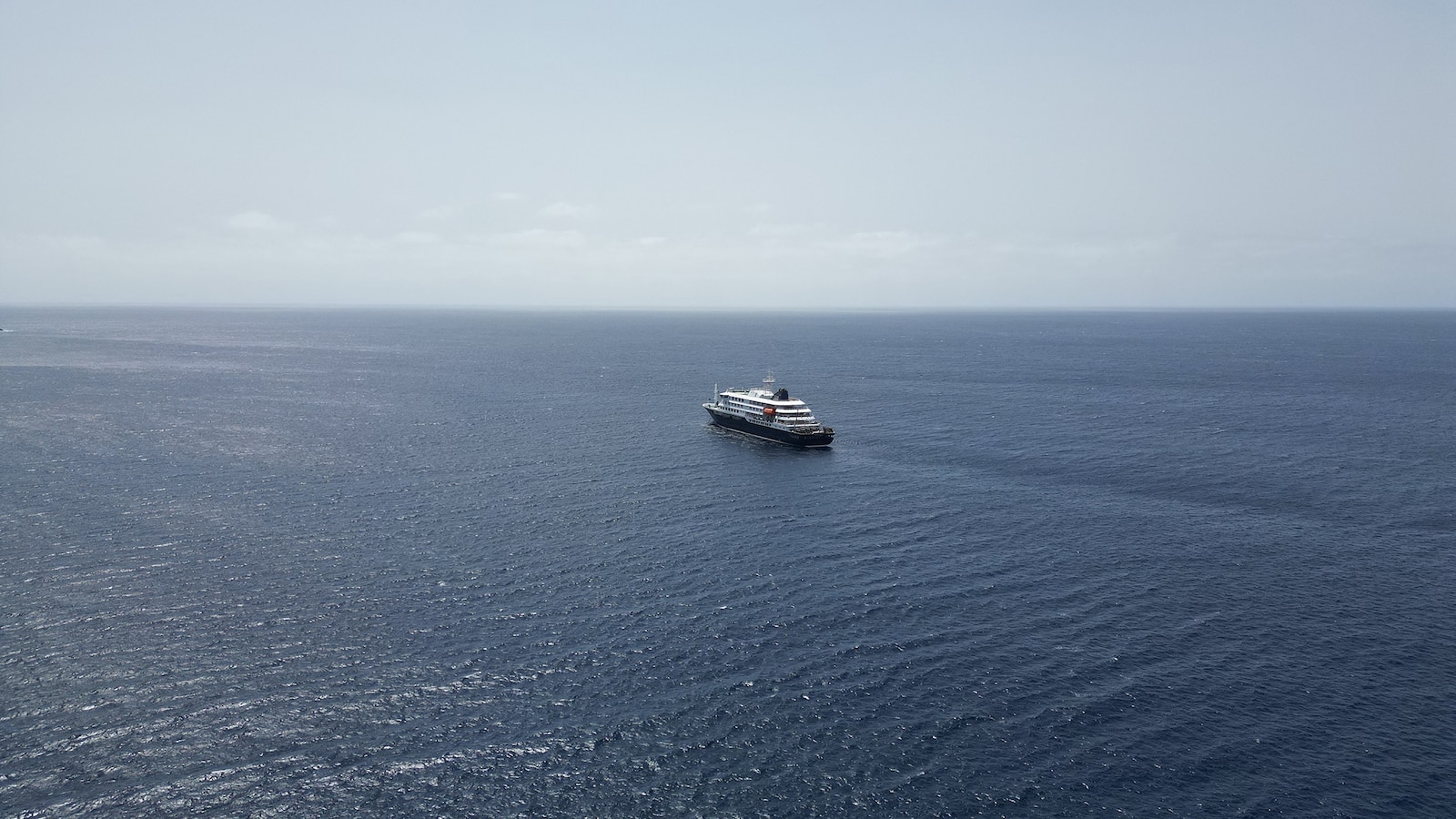
A suspected hantavirus outbreak aboard the MV Hondius is linked to 3 deaths and additional illnesses, including one patient in intensive care with a positive laboratory test for hantavirus. The cruise ship, operated by Oceanwide Expeditions, is off Cape Verde with 149 people on board; two crew members are also symptomatic and under medical monitoring. The event is primarily a health and travel incident, with limited direct market impact but heightened operational and reputational risk for the operator and the cruise segment.
This is not a broad public-health shock; it is a highly specific operational failure inside a closed, high-touch environment. The immediate market read-through is to travel and leisure operators with expedition-style itineraries, where repatriation, medical screening, and itinerary disruption costs can be disproportionate to revenue scale. The second-order issue is underwriting: specialty travel insurers and marine liability carriers may see a short-term claims pulse, but the bigger effect is likely tighter exclusions, higher premiums, and more conservative underwriting for remote-route cruises over the next 1-2 renewal cycles. The more interesting risk is reputational contagion within the niche cruise segment rather than systemic demand destruction. Expedition cruising depends on affluent older travelers, a cohort that is both medically sensitive and highly responsive to perceived safety issues; even a small spike in cancellations can pressure load factors and force discounting on a few future sailings. That said, mainstream large-cap cruise names are probably insulated unless this becomes a broader narrative around ship sanitation, because consumers will mentally separate remote Antarctic/Atlantic voyages from mass-market Caribbean itineraries. On the healthcare side, there is no obvious direct beneficiary, but the event can marginally increase attention on diagnostics, point-of-care testing, and evacuation protocols in maritime and remote settings. The real catalyst window is days to weeks: confirmation of additional cases, source attribution, and whether the exposure is ship-borne versus port-linked. If the lab work points to a single contaminated area or voyage segment, the downside to the operator is manageable; if person-to-person transmission is even hinted at, the news flow becomes materially more bearish for expedition cruising and could pressure the whole niche for months. Consensus may be overestimating the breadth of the consumer impact and underestimating the operational friction. The right framing is not “cruise demand is broken,” but “remote-route premium leisure becomes a higher-friction category with lower tolerance for biosecurity ambiguity.” That supports a relative-value trade rather than a sector-wide short.
AI-powered research, real-time alerts, and portfolio analytics for institutional investors.
Request DemoOverall Sentiment
strongly negative
Sentiment Score
-0.70
