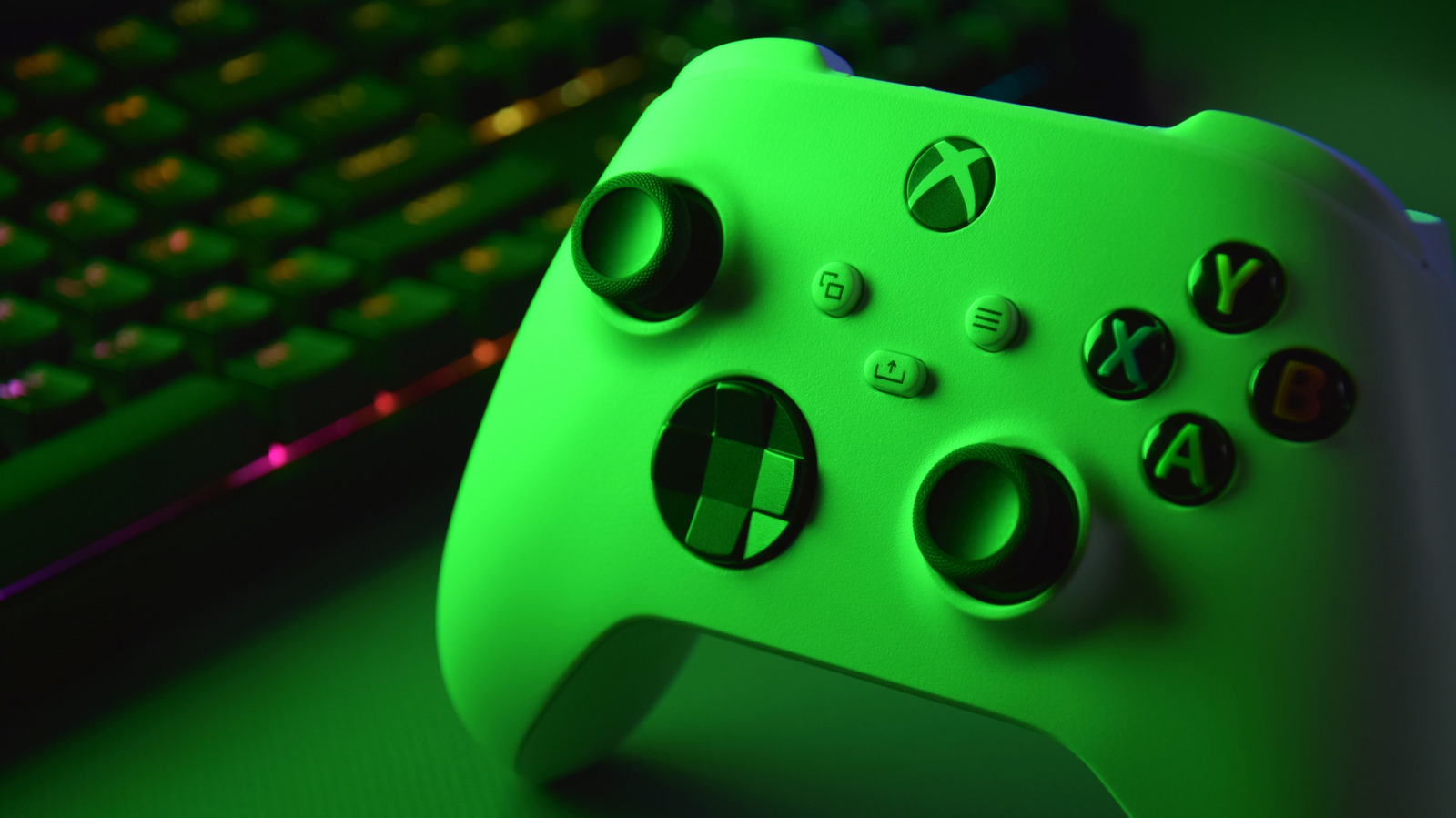
Xbox mode for Windows 11 has launched, with Microsoft positioning it as a leaner, console-like gaming interface and a testbed for Project Helix, the next-generation Xbox console. The article highlights functional gains such as a 9.3% RAM reduction, up to an 8.6% FPS boost, improved controller navigation, and Auto SR preview rollout starting April 30, 2026. However, it also emphasizes that Windows 11 bloat, telemetry, Copilot, and workaround-heavy setup still limit the experience and mute the overall upside.
MSFT is trying to commoditize the operating system layer for portable/lean gaming, but the economic value creation is really in ecosystem lock-in, not in the client OS itself. If Xbox mode reduces friction for Game Pass and Play Anywhere users, the first-order beneficiary is engagement, while the second-order winner is whoever monetizes the higher lifetime session count—primarily MSFT, with NVDA/AMD/INTC capturing the hardware acceleration cycle through handhelds and thin-and-light gaming PCs. The catch is that “good enough” UX can actually slow the urgency to migrate to truly dedicated gaming hardware, making this more defensive than expansionary for Microsoft’s console roadmap.
The market is likely underestimating the halo effect on handheld attach rates. Features that shave setup time and improve controller-only usability disproportionately help devices where CPU efficiency and integrated graphics matter most, which favors AMD today and NVDA where premium handheld/mini-PC demand emerges. INTC is the most levered to a PC refresh narrative because a cleaner Windows gaming stack lowers the barrier to buying performance-laptop silicon, but it also exposes how much of Intel’s client story still depends on software masks rather than durable platform advantage.
The biggest near-term risk for MSFT is not adoption, but product overlap: if Xbox mode is perceived as a patch over Windows bloat rather than a real system-level simplification, gamers will keep defaulting to Steam-first workflows and third-party launchers. That makes the catalyst path slow—weeks for sentiment, quarters for actual device adoption, and years for any Helix optionality. Conversely, if Microsoft extends the gamepad/navigation layer across all Windows surfaces, it becomes a meaningful UX moat and could support incremental Game Pass conversion without requiring a console cycle.
AI-powered research, real-time alerts, and portfolio analytics for institutional investors.
Request DemoOverall Sentiment
neutral
Sentiment Score
0.10
Ticker Sentiment
