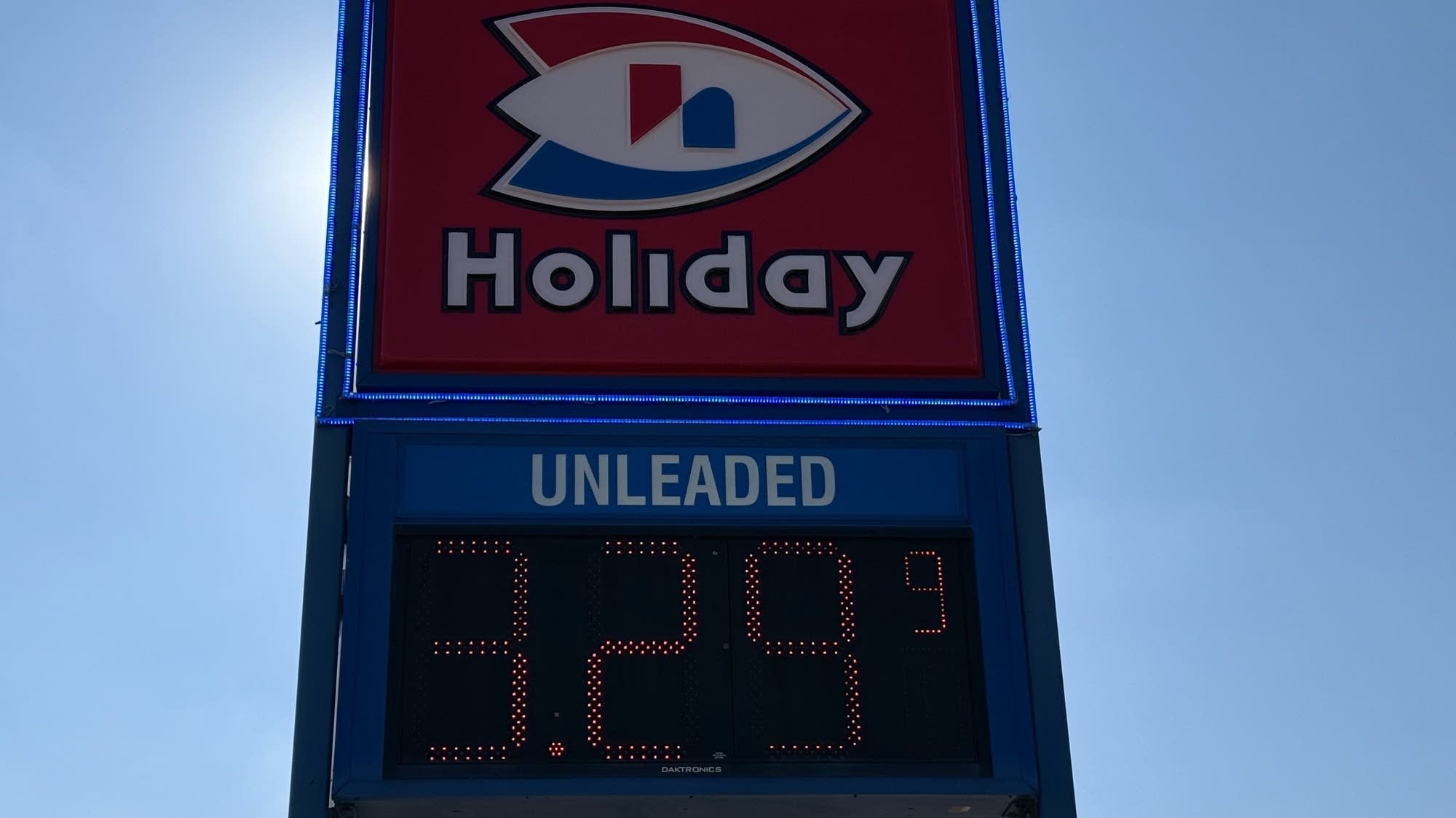
Retail gasoline prices in Minnesota have risen amid a widening conflict in the Middle East, reflecting heightened geopolitical risk that is pressuring oil and refined product markets. The local pump-price jump underscores potential near-term upward pressure on inflation and household energy expenditures, and warrants monitoring of crude oil benchmarks and regional gasoline futures for further market spillovers.
Market structure: Immediate beneficiaries are integrated oil majors (XOM, CVX) and refiners (VLO, MPC, PSX) that capture rising crude and crack spreads; midstream MLPs/pipelines (KMI, ENB) gain on higher volumetric throughput and margin stability. Losers include airlines (AAL, DAL, UAL), transportation/logistics, and consumer discretionary in energy-heavy states as retail gasoline margins compress consumer discretionary budgets. Regionally, market share tilts to producers with low lifting costs (U.S. shale) vs higher-cost producers; OPEC+ pricing power increases near-term but U.S. output can blunt upside within 3–9 months.
Risk assessment: Tail risks include a >5–10% sustained cut to seaborne flows (Strait of Hormuz disruption) which could add $15–$30/bbl to Brent within weeks, and retaliatory sanctions/cyber disruption to U.S. refinery ops. Immediate (days) sees volatility spikes; short-term (1–3 months) sees price discovery and inventory draws; long-term (6–24 months) demand elasticity, shale response, and policy (SPR releases) cap gains. Hidden dependencies: regional refinery utilization, SPR access, and seasonal driving patterns can amplify or mute price passes to retail.
Trade implications: Tactical longs: selective integrated majors (XOM, CVX) and refiners (VLO) for 3-month rallies; defensive longs: GLD/physical gold 0.5–1% as geopolitical hedge. Short candidates: airlines/JETS ETF and consumer discretionary names in Midwest with 1–2% positions; consider options: buy 3-month call spreads on XOM/CVX (delta ~0.30–0.40) sized 0.5–1% portfolio to limit premium risk. Use entry triggers (WTI/Brent +5% intraday or Brent >$85) and exits at 8–15% profit or 30% drawdown.
Contrarian angles: Consensus underestimates U.S. shale flexibility—ramp-up within 3–9 months can cap prices and bleed oil-rally P&L; market may be overpricing a sustained supply shock if SPR releases or diplomatic de-escalation occur within 30–60 days. Historical parallels (2011/2019 spasms) show rapid mean reversion once logistics/release measures are enacted. Unintended consequence: persistent higher retail fuel (>10% y/y) accelerates EV adoption and reduces discretionary spending, pressuring long-duration cyclicals.
AI-powered research, real-time alerts, and portfolio analytics for institutional investors.
Request TrialOverall Sentiment
moderately negative
Sentiment Score
-0.35
