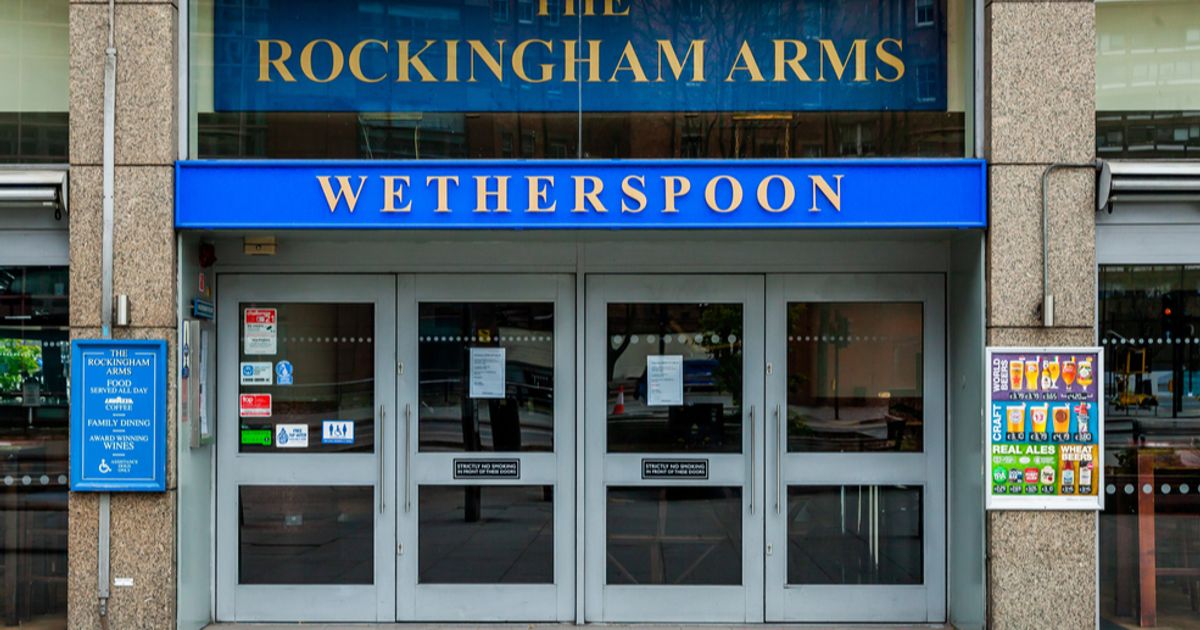
JD Wetherspoon's shares declined 3.7% after the pub operator expressed a more cautious outlook for the remainder of the year, citing concerns over the Chancellor's impending Budget statement and potential income tax increases. This revised outlook follows an improvement in like-for-like sales, which rose 3.7% for the 14 weeks to November 2nd, up from 3.2% previously. Peel Hunt analyst Douglas Jack noted these sales align with long-term averages and outperform the industry, maintaining a 4.5% full-year LFL sales forecast, which is below the broader City consensus.
JD Wetherspoon's shares declined 3.7% following the company's announcement of a more cautious outlook for the remainder of the year. This revised guidance stems from concerns over the Chancellor's impending Budget statement, specifically the anticipated income tax increases. The market reacted negatively despite positive recent sales momentum, highlighting sensitivity to macroeconomic policy.
Operationally, JD Wetherspoon reported a robust 3.7% year-on-year like-for-like sales growth for the 14 weeks to November 2nd, an improvement from the 3.2% seen in the first nine weeks. The company acknowledged this "continued sales momentum" but explicitly linked its tempered outlook to the potential fiscal tightening. This indicates a proactive risk assessment regarding consumer discretionary spending.
Peel Hunt analyst Douglas Jack noted that the reported LFL sales align with the long-term average and have consistently outperformed the broader hospitality sector for 37 months. Jack maintains a full-year LFL sales forecast of 4.5%, which is notably 1% below the current City consensus. This divergence suggests a more conservative view from Peel Hunt compared to the wider market, potentially factoring in the fiscal headwinds.
The company's caution, driven by potential income tax hikes, underscores broader concerns for the consumer discretionary sector. While current sales performance is strong, the forward-looking statement reflects anticipated pressure on consumer spending power. This situation highlights the direct impact of fiscal policy on corporate guidance and investor sentiment within the hospitality industry.
AI-powered research, real-time alerts, and portfolio analytics for institutional investors.
Request DemoOverall Sentiment
mildly negative
Sentiment Score
-0.25
