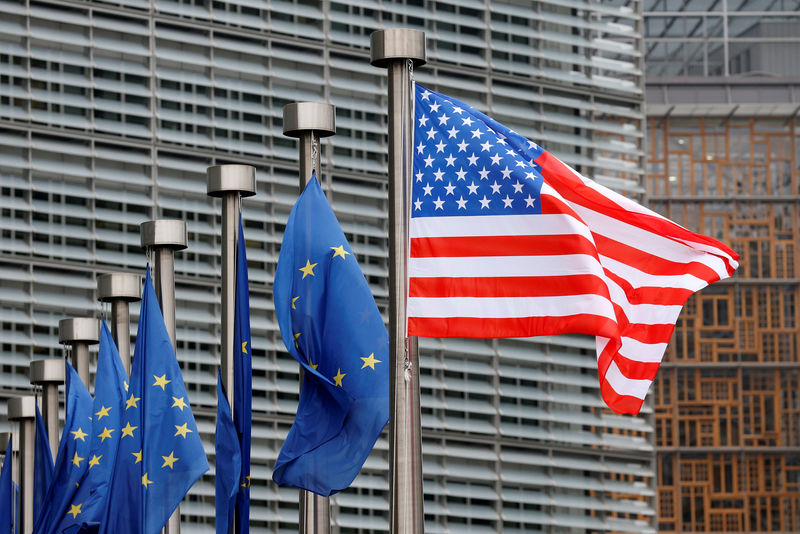
Barclays analysts highlight significant uncertainty in ongoing US-EU trade negotiations as a tariff pause approaches expiration, noting internal EU divisions on negotiation strategy. Their base case predicts an average 15% US tariff on EU goods, with duties on pharmaceutical and semiconductor companies potentially rising to 25%. Barclays identifies an upside risk of lower effective tariffs via quotas, but a downside risk of reciprocal tariffs exceeding 10% if talks fail, underscoring continued trade tensions and potential market impacts.
Uncertainty surrounding US-EU trade negotiations is elevated as a key tariff pause deadline approaches, with Barclays analysts highlighting a significant risk of escalating tensions. Internal divisions within the EU are a critical factor, as Germany and Italy reportedly favor a swift agreement while France advocates for a more assertive stance, complicating the bloc's negotiating position. Barclays' base case forecasts an average US tariff rate of 15% on EU goods, with a specific and acute impact on the pharmaceutical and semiconductor sectors, where duties could rise to 25%. While an upside risk exists for a lower effective tariff rate through quotas or sector-specific deals, the downside risk of failed talks leading to reciprocal tariffs above 10% remains substantial. The situation reflects a moderately negative outlook, underscoring the potential for market volatility driven by geopolitical trade policy.
AI-powered research, real-time alerts, and portfolio analytics for institutional investors.
Request DemoOverall Sentiment
moderately negative
Sentiment Score
-0.50
Ticker Sentiment
