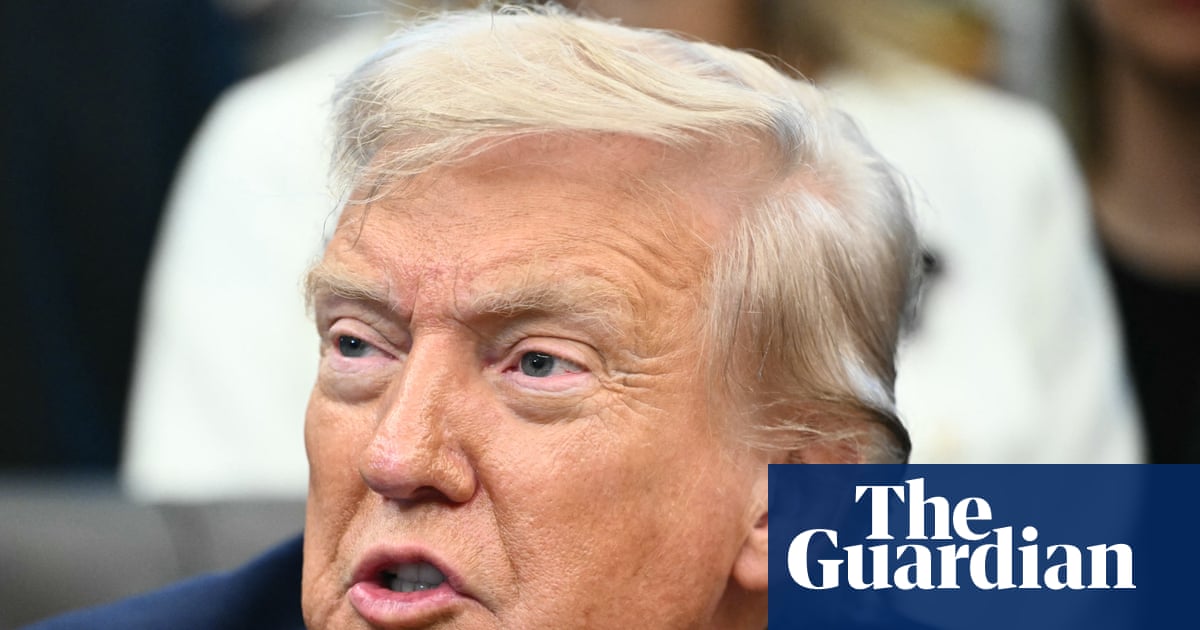
Donald Trump has threatened to impose substantial tariffs and export restrictions on countries, including the UK and EU, that implement digital services taxes or regulations he views as discriminatory against major US tech firms like Google, Meta, and Apple. Citing measures such as the UK's 2% digital services tax, Trump's warning signals potential trade disputes and increased geopolitical risk, impacting global supply chains and the regulatory landscape for multinational technology companies.
Donald Trump's threat to impose substantial tariffs and export restrictions on countries with digital services taxes (DSTs) introduces significant geopolitical and trade-related risk, primarily targeting the UK and EU. This policy is a direct response to measures like the UK's 2% levy on tech revenues, which generates approximately £800 million annually, and the EU's Digital Services Act, both of which are viewed as discriminatory against US tech giants such as Google, Meta, Amazon, and Apple. The hawkish tone and high market impact score (0.7) signal that markets perceive this as a serious escalation, capable of disrupting existing trade agreements and global supply chains, particularly given the mention of restricting exports of US technology and chips. While the policy is framed as a defense of US companies, reflected in a slightly positive per-ticker sentiment (0.3 for AAPL, GOOGL, etc.), the overall market sentiment is strongly negative (-0.7). This dichotomy highlights that while specific tech firms may benefit from reduced foreign tax pressure, the broader market faces increased volatility from potential trade wars. The precedent set by Canada, which scrapped its DST to de-escalate tensions, suggests the threat carries weight, though the EU has indicated it will not alter its digital regulations, setting the stage for a potential standoff.
AI-powered research, real-time alerts, and portfolio analytics for institutional investors.
Overall Sentiment
strongly negative
Sentiment Score
-0.70
Ticker Sentiment
