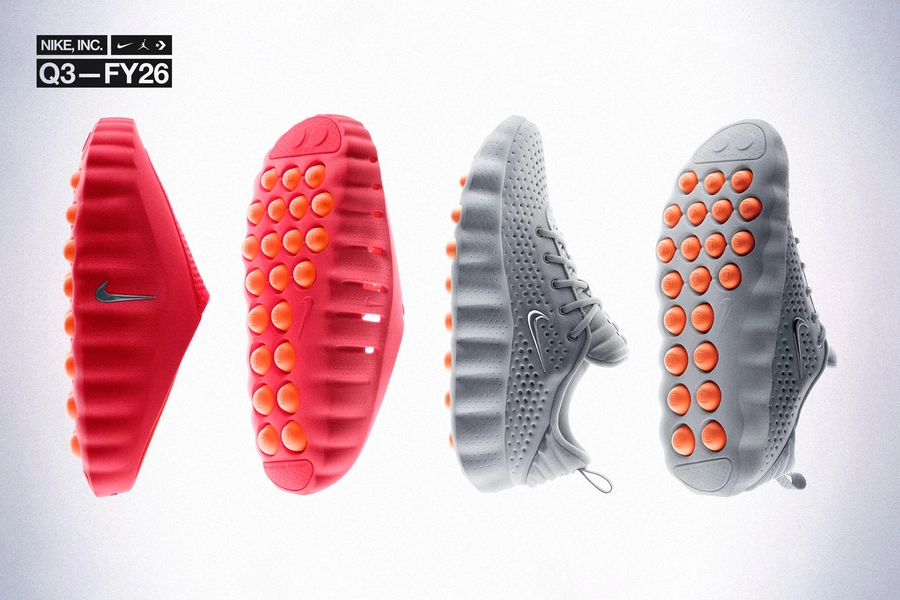
NIKE reported Q3 revenue of $11.3B (flat reported, -3% currency-neutral) and diluted EPS of $0.35, down 35% year-over-year. Gross margin compressed 130 bps to 40.2% primarily due to higher North America tariffs; NIKE Direct fell 7% CN (digital -9%, stores -5%) while Wholesale grew 1% CN; Converse plunged 35% (to $264M). Cash and short-term investments declined roughly $2.3B to $8.1B, inventories were $7.5B (-1%), and the company returned ~$609M in dividends (up 3%); management emphasized corrective actions but results show near-term margin and profit pressure.
The quarter crystallizes a strategic trade-off: management is visibly prioritizing structural health over near-term top-line optics. That approach tends to compress headline growth for a few quarters while stabilizing inventory turns and reducing promotional volatility — a 3–9 month window where multiples rerate around cash conversion rather than sales comps.
Tariff-driven cost pressure and FX volatility create uneven regional returns: brands with heavy wholesale penetration can flex pricing and assortment faster than owned-channel models, so expect share shifts toward retail partners that absorb assortment risk. Second-order supply-chain impacts are underappreciated — order smoothing will reduce inbound sea freight demand and seasonal air lift, benefiting logistics providers with flexible capacity while pressuring contract cut-and-sew vendors in higher-cost jurisdictions.
Key catalysts to watch are wholesale inventory reads from large retail partners, any US trade/tariff relief discussions, and currency moves out of USD weakness — each can flip near-term margin visibility within 1–6 months. Tail risks include an extended consumer slowdown in Asia/EMEA or further tax/tariff accounting noise that can swing EPS more than operating performance in a given quarter.
Consensus is pricing a slow recovery; the miss/beat binary around execution vs. structural fixes is where alpha resides. That creates clean, asymmetric setups: express short-term skepticism via options or pair trades against retailers poised to gain share, while using long-dated, cheap hedged exposures to capture eventual recovery if management’s structural moves produce the promised free-cash-flow improvement over 12–24 months.
AI-powered research, real-time alerts, and portfolio analytics for institutional investors.
Request DemoOverall Sentiment
moderately negative
Sentiment Score
-0.55
Ticker Sentiment
