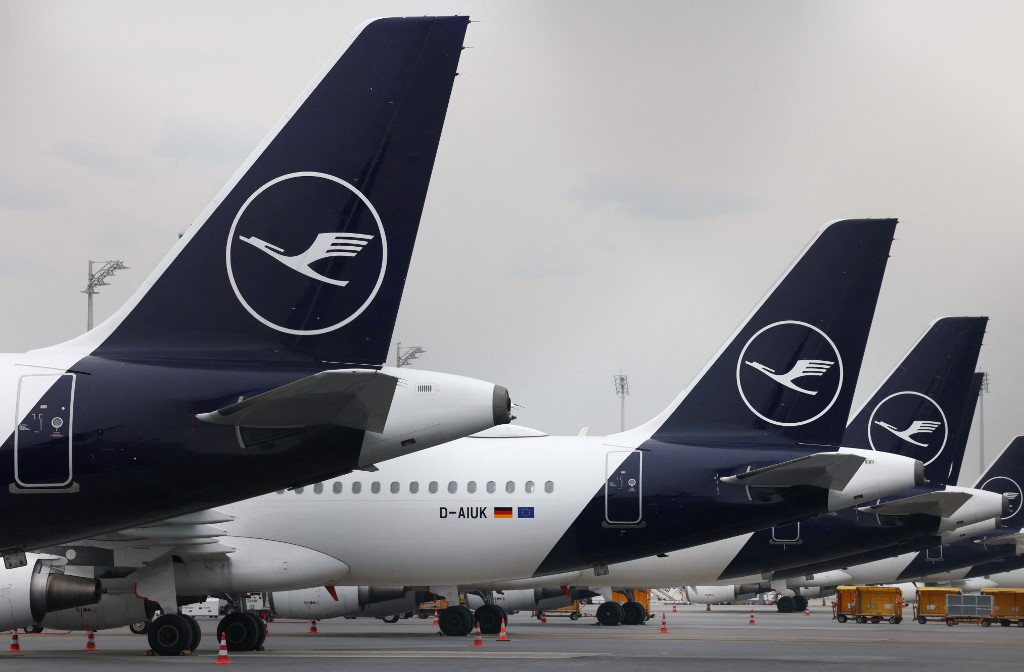
Munich Airport froze all flight operations for over an hour on Saturday morning after pilots reported a suspected drone near active runways, halting commercial traffic until operations resumed at about 10:05 a.m. local time. The incident triggered a large police response and a criminal investigation, underscoring rising drone-related airspace disruptions across Europe. The immediate market impact is limited, but the event is negative for airport operations and travel continuity.
This is less a one-off nuisance than evidence that low-cost asymmetric disruption is becoming a recurring operating risk for European transport nodes. The key second-order effect is not the hour of lost runway capacity; it is the cascading credibility damage to hub reliability, which can push high-yield business travelers and belly-cargo planners toward more redundant airports and ground modes over time. That is most relevant for operators with tight connection banks and little spare capacity, where a single stop can generate disproportionate reaccommodation costs and slot-optimization friction.
The market is likely underpricing the insurance and security capex implication. If drone incidents continue, expect airports, air navigation providers, and governments to spend on detection, jamming, and perimeter hardening faster than revenue grows, which compresses margins for airport operators while creating a modest tailwind for defense-electronics and critical-infrastructure security vendors. The bigger medium-term risk is regulatory: tighter flight restrictions around major hubs can reduce throughput growth even if passenger demand holds up.
For airlines, the near-term impact is mostly schedule volatility rather than demand destruction, but repeated incidents raise aircraft utilization risk and misconnect costs during peak travel periods. The contrarian view is that one European hub incident alone does not justify a structural repricing of travel stocks; the better trading expression is to fade operators with the least schedule flexibility and strongest exposure to premium, time-sensitive traffic if disruptions cluster over the next 1-3 months. If incidents remain isolated, the premiumization thesis for airport and airline names should remain intact, and any dip is likely to mean-revert quickly.
AI-powered research, real-time alerts, and portfolio analytics for institutional investors.
Request TrialOverall Sentiment
mildly negative
Sentiment Score
-0.18
