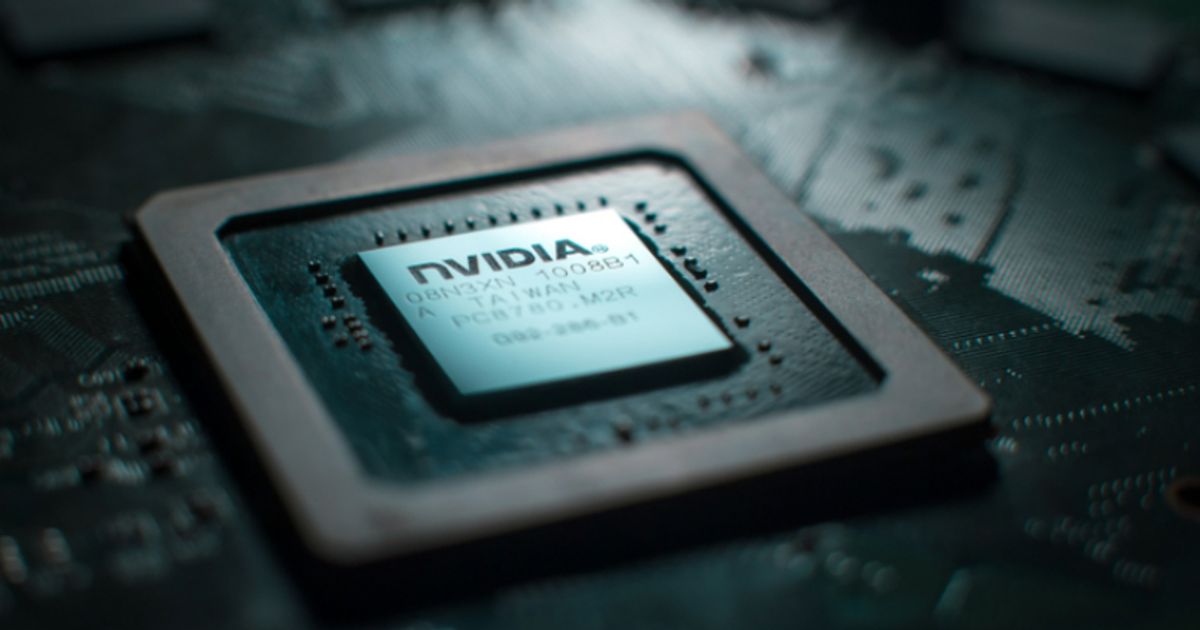
Major Chinese tech firms including Alibaba and ByteDance are training new large language models in Southeast Asian data centres to retain access to Nvidia processors after Washington tightened export controls in April on the H20 chip; most capacity is leased from non-Chinese operators. One domestic outlier, DeepSeek, pre‑accumulated Nvidia hardware and continues onshore training while collaborating with Huawei and other local chipmakers to develop next‑generation AI processors, underscoring both persistent external demand for Nvidia hardware and a parallel push to bolster China’s domestic AI chip capabilities.
Market structure: Offshore training shifts winners to non-Chinese cloud/data‑centre operators (Digital Realty DLR, Equinix EQIX, AWS/AMZN, GOOGL) and Nvidia NVDA via sustained GPU demand; losers include Chinese chip importers facing capacity bottlenecks and onshore training-dependent startups. Expect spot GPU cloud rents to rise materially — we estimate a 20–40% increase in high‑end GPU hourly rates over 3–6 months as booking intensity moves to SEA and capacity tightness persists.
Risk assessment: Key tail risks include US extraterritorial export controls on cross‑border model training or contract enforcement (low probability, high impact) and a Chinese policy countermeasure restricting outbound data, either of which could cut offshore demand within 30–90 days. Short term (days–weeks) watch for booking and revenue revisions; medium (3–12 months) for capex in SEA data centres; long term (2–4 years) for accelerated Chinese domestic GPU development reducing NVDA share.
Trade implications: Tactical longs: NVDA benefits but is priced for growth — favor defined‑risk option exposure (6‑month call spreads). Overweight data‑centre infrastructure (EQIX, DLR) and selective cloud (AMZN, GOOGL) for 3–9 months to capture higher GPU lease rates; hedge China tech exposure (BABA) with short‑dated puts. Use pair trades: long DLR/EQIX vs short a China on‑premise hardware supplier or a China semiconductor ETF to capture relative re‑rating.
Contrarian angles: Consensus underestimates speed of China’s domestic GPU push — a 20–40% share recapture is plausible in 2–4 years, pressuring NVDA beyond that horizon. The market may be underpricing geopolitical extension risk: if Washington broadens controls within 60–90 days, offshore training demand could snap back, creating an abrupt NVDA revenue re‑pricing; size positions accordingly and prefer hedged/defined‑risk structures.
AI-powered research, real-time alerts, and portfolio analytics for institutional investors.
Request DemoOverall Sentiment
neutral
Sentiment Score
0.00
Ticker Sentiment
