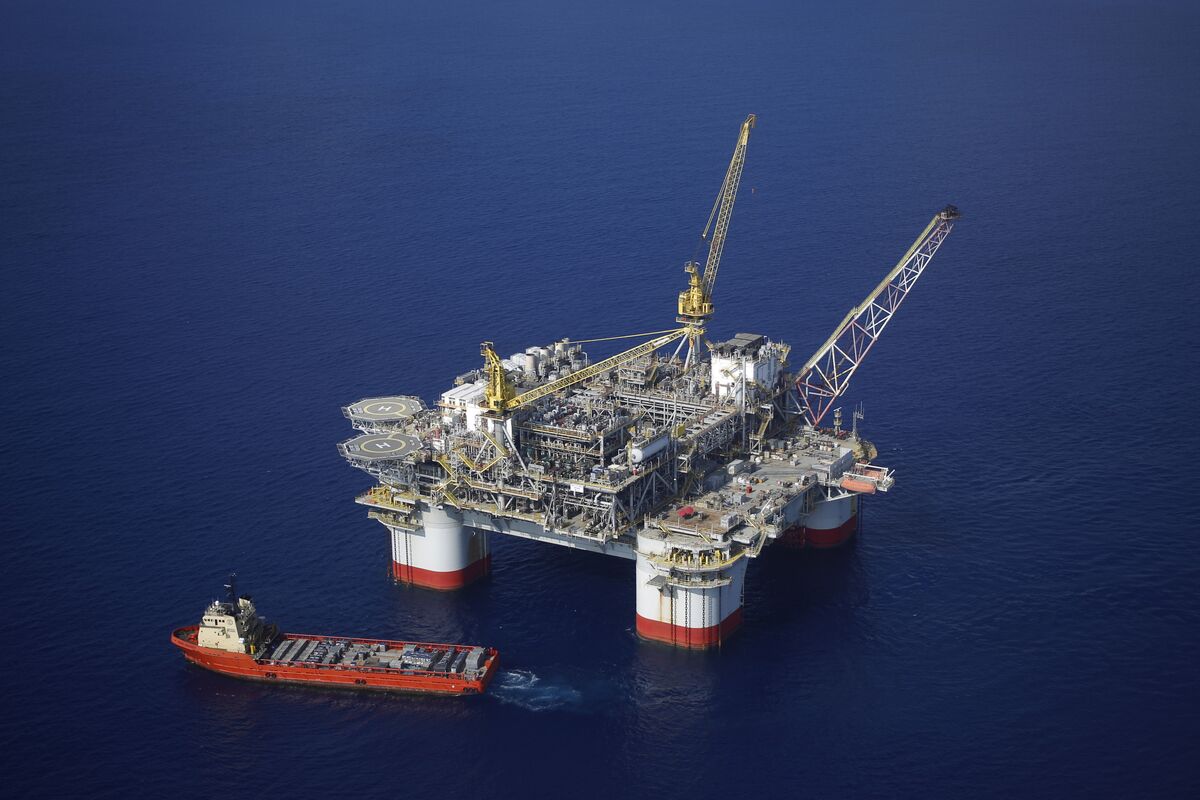
Seaborne oil shipments fell by about 850,000 barrels per day to roughly 41.4 million b/d in November, according to Bloomberg tanker-tracking data, driven by steep declines from Russian Black Sea ports and a large drop from the US Gulf. The pullback in flows points to regional supply disruptions and weaker shipping volumes, a development that could tighten market balances for crude and affect tanker freight earnings and energy traders' positioning.
Market structure: A c.850k b/d decline to ~41.4m b/d is roughly a 2% drop in seaborne flows — large enough to create regional tightness and backwardation in spot markets over weeks. Winners are integrated upstream producers (XOM, CVX) and long-commodity holders; near-term losers include short-haul refiners (VLO, PSX) and export-dependent logistics providers because crude cost pressure and cargo reroutes compress margins. Competitive dynamics shift pricing power to sellers/long-haul suppliers and OPEC+ if spare capacity is drawn; expect Brent/WTI spread volatility as flows are rerouted from the Black Sea and US Gulf for 1–3 months.
Risk assessment: Tail risks include a further Russian export cut of +0.5–1.0m b/d, insurance/WSA de-risking that removes vessels, or a China demand shock—each could swing Brent ±$15 in 1–3 months. Immediate (days) risk: freight-rate whipsaws and port congestion; short-term (weeks–months): inventory rebalancing and SPR releases; long-term (quarters): capex and shipping orderbook effects. Hidden dependencies: tanker insurance, refinery turnarounds, and US SPR policy; catalysts are OPEC meetings, US SPR moves, winter heating demand and insurance edicts within 30–90 days.
Trade implications: Tactical plays: 3–6 month long crude exposure (futures/USO) and selective longs in majors; protect with OTM puts on energy equities. Relative value: long XOM/CVX vs short refiners (VLO/PSX) to capture crude-driven margin divergence over 1–3 months. Options: buy 60–120 day Brent call spreads to express asymmetric upside while capping premium spend; size for 0.5–1% portfolio risk.
Contrarian view: The market may overprice persistent supply loss — historical Black Sea shocks (2022) produced sharp but transient premia as rerouting and SPR releases normalized flows in 2–4 months. Mispricing risk: volatility sells-off once inventories rebuild; unintended consequence: higher oil → faster Fed tightening, pressuring risk assets. Use hard triggers (flow recovery >500k b/d or Brent move ±$10) to unwind directional bets.
AI-powered research, real-time alerts, and portfolio analytics for institutional investors.
Request DemoOverall Sentiment
mildly negative
Sentiment Score
-0.25
