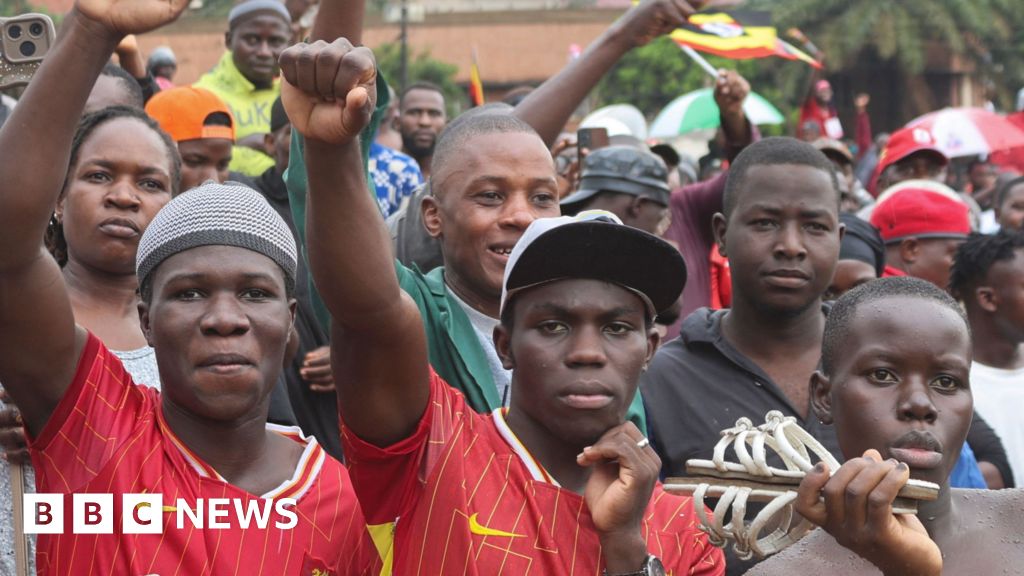
Uganda's presidential vote pits long-time incumbent Yoweri Museveni against pop star-turned-politician Robert 'Bobi Wine' Kyagulanyi, with Museveni having benefited from constitutional amendments removing age and term limits; the electoral commission reported Museveni won 59% to Wine's 35% in 2021. The campaign has featured an internet blackout, reported security crackdowns on opposition rallies, arrests and allegations of intimidation and fraud, raising political and governance risks that could dent investor confidence in this frontier market; voters are also electing a 353-seat parliament and presidential results are due Saturday. Economic pressures cited by voters include high youth unemployment, insufficient job creation despite rising average incomes, and poor infrastructure and public services.
Market structure: A contested Ugandan election increases near-term winners (security services, short-term cash/US-dollar holders, global safe-haven assets) and losers (Ugandan local-currency assets, domestic banks, mobile-money/fintech flows). Expect telecom operators with large Uganda exposure (MTN, Airtel) to see 10–30% revenue-at-risk over 1–3 months if internet restrictions persist; sovereign bond yields can gap wider by 150–300bp in stressed scenarios. Cross-asset: immediate FX pressure on the UGX, modest spill to broad EM indices (EEM) and frontier funds, and a tactical bid for gold and USTs.
Risk assessment: Tail risks include post-election violence, extended internet shutdowns, targeted sanctions (asset freezes), or capital controls — each could trigger >30% drawdowns in local equities and 200–400bp sovereign spread widening. Timeline: immediate (0–7 days) = FX/market liquidity shocks and volatility spikes; short-term (1–3 months) = outflows, bond repricing, corporate stress; long-term (6–24 months) = investor-risk premium on Ugandan assets and slower FDI if governance doesn’t improve. Hidden dependency: mobile-money liquidity chains (affecting banks and payment processors) and regional trade links can propagate stress to Kenya/Tanzania.
Trade implications: Direct actionable plays: hedge/short Uganda-exposed equities (MTN.JO, AAF.L) via 3-month put spreads sized 2–3% NAV; increase allocation to USTs (TLT/IEF) by 3–5% and to gold (GLD or GDX) by 1–2% as crisis insurance. Use pair trades: short MTN/AAF vs long Vodacom (VOD.JO) to express Uganda-specific risk; buy 1–2% notional protection with VIX call spreads or UVXY call spreads for 30–90 day volatility spikes.
Contrarian angles: Consensus may overstate systemic contagion — Uganda is a ~1–2% Africa frontier risk to broad EM; a disciplined re-entry on 20–40% dislocation can be rewarded. Historical parallel: Kenya 2007–08 saw equity market drawdowns >30% then recovery within 12–24 months once political stability returned, suggesting selective buys of high-quality regional names after volatility normalizes. If internet is restored within 7–10 days and no major violence occurs, expect >50% of price moves to reverse; use this as a re-entry signal.
AI-powered research, real-time alerts, and portfolio analytics for institutional investors.
Request DemoOverall Sentiment
moderately negative
Sentiment Score
-0.45
