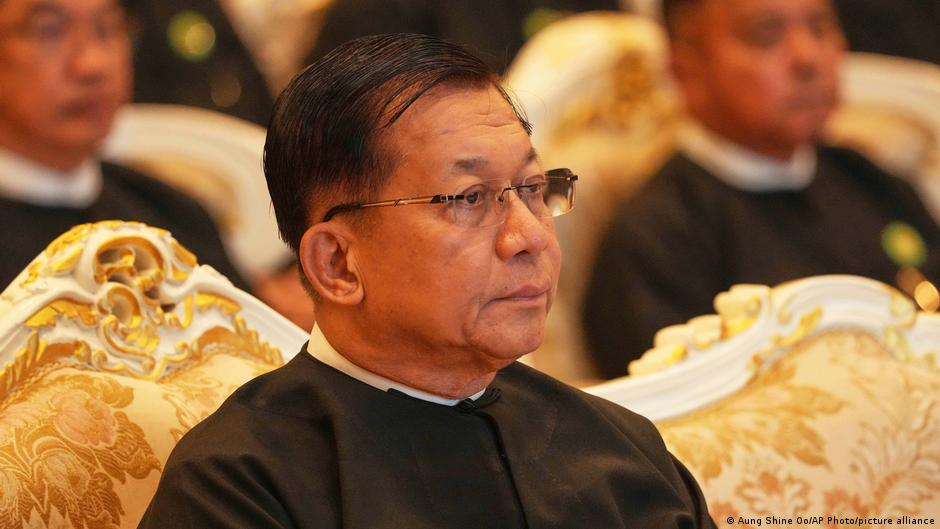
Min Aung Hlaing was elected president on April 3, 2026 after securing the parliamentary majority following elections widely criticized as a sham; the military-aligned Union Solidarity and Development Party controls >80% of seats. The change is a technical shift from junta to formal presidential rule while the country remains in civil war (≈93,000 killed, >3.6M displaced), raising the likelihood of prolonged sanctions, regional political risk, and risk‑off flows into safer assets.
Formalizing military control into a civilian presidency will deepen the predictability of military-directed economic decisions — not by liberalizing markets but by clarifying counterparty risk. Expect faster consolidation of revenue streams into military-controlled conglomerates (extractives, ports, logging/jade) and a greater willingness to sign long-term deals with non‑Western partners; that supports Chinese/Russian firms and shadow banking corridors while shrinking the investable universe for Western corporates over a 3–12 month window.
The most actionable second‑order chokepoints are energy transit and port infrastructure. Gas and pipeline routes that serve Thai and Chinese demand are high‑value targets for insurgent disruption and for securitization by external backers; insurance premia (P&I and war risk) for vessels calling Myanmar ports should rise within weeks, driving freight rerouting costs and temporary bottlenecks for regional commodity flows over the next 1–6 quarters. Regional banks and corporates with direct Myanmar exposure (energy contractors, port operators, regional insurers) will see higher funding spreads and tighter covenant stress, feeding into ASEAN credit curves.
Key catalysts that move markets are (1) targeted secondary sanctions on counterparties (60–180 days to implement and ripple), (2) a major pipeline attack or port closure that removes 10–20% of regional short‑term capacity, and (3) a China‑brokered accommodation that stabilizes transit flows. The consensus is pricing a straightforward deterioration; it underestimates how quickly supply chains rewire to China‑centric routes and how insurance repricing will create concentrated winners (reinsurers, defense suppliers) and losers (regional utilities and freight‑exposed EM equities). A reversal is possible if ASEAN/China secure guarantees that restore transit confidence within 6 months.
AI-powered research, real-time alerts, and portfolio analytics for institutional investors.
Request DemoOverall Sentiment
strongly negative
Sentiment Score
-0.80
