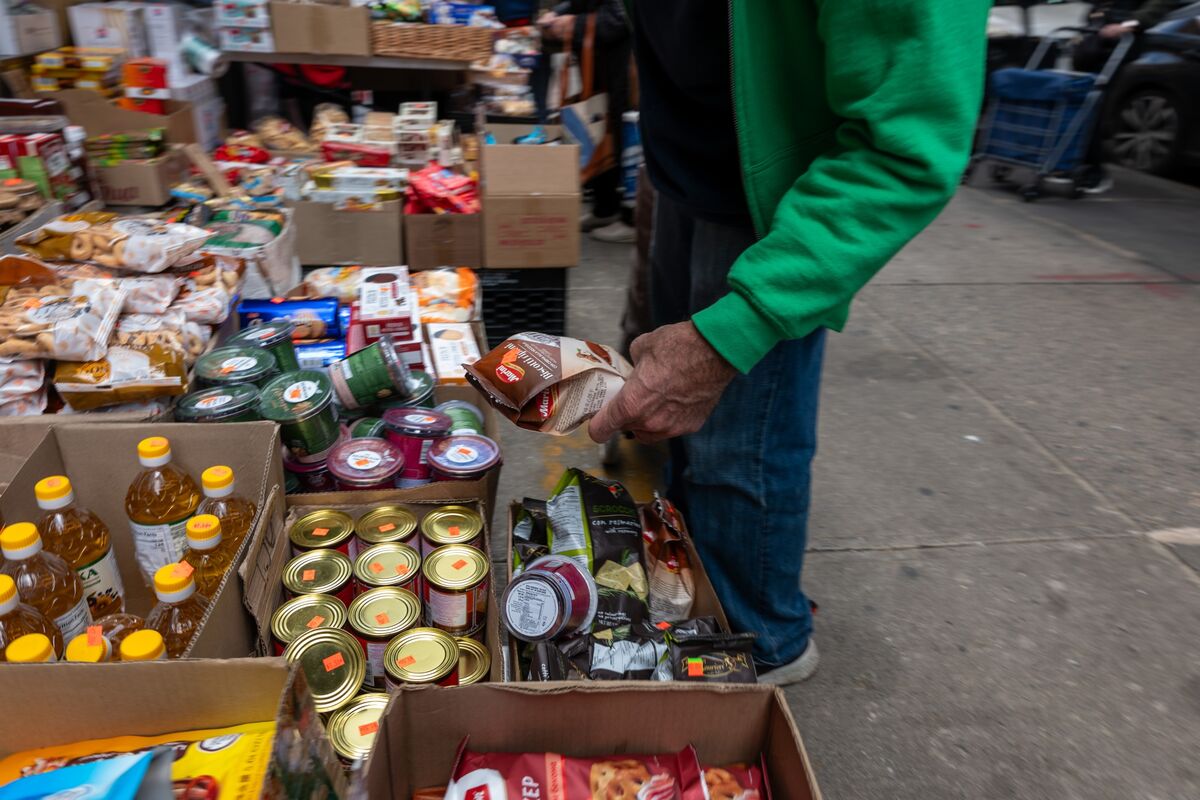
Senate Republicans are set to revise House legislation regarding federal food stamp cost-sharing to alleviate the financial burden on state governments as part of the broader Trump tax bill. Senate Agriculture Chairman John Boozman indicated the Senate version will modify the House's proposed shift of up to 25% of food stamp costs to states, suggesting a less aggressive approach. The changes aim to garner broader support for the tax and spending package.
The article details an emerging legislative divergence between House and Senate Republicans concerning the financing of federal food stamps as part of a larger tax and spending package attributed to Donald Trump. The House's proposal to shift as much as a quarter of food stamp costs to state governments is facing resistance in the Senate, with Senate Agriculture Chairman John Boozman signaling an intent to "water down" this provision to make it less burdensome for states. This development indicates a potential moderation of the fiscal impact on state budgets compared to the initial House plan. The situation highlights the internal negotiations and compromises inherent in the legislative process for major fiscal policy, with the final outcome likely influencing the overall size and distribution of the tax package's financial effects. The neutral sentiment and low market impact score (0.25) suggest the market is currently viewing this specific development as a contained policy debate with limited immediate, broad economic repercussions, pending further clarity on the final legislation.
AI-powered research, real-time alerts, and portfolio analytics for institutional investors.
Request DemoOverall Sentiment
neutral
Sentiment Score
0.00
