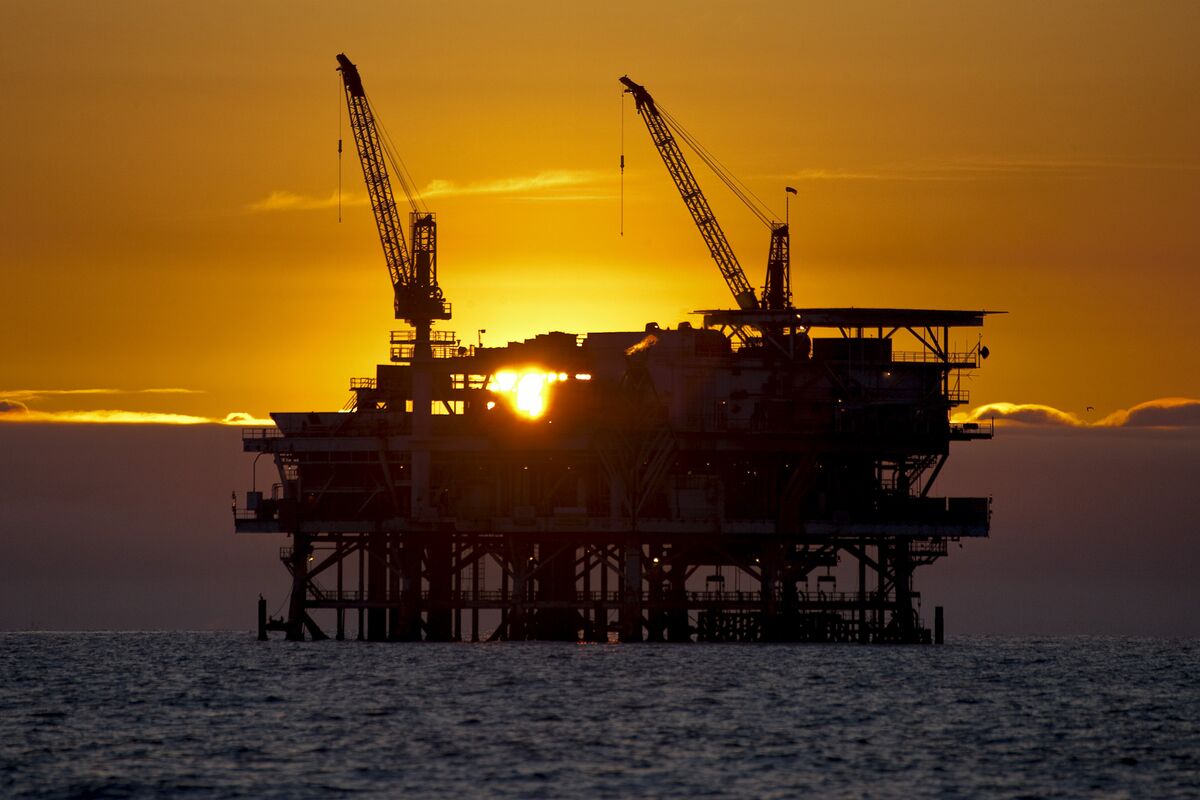
The Trump administration’s Interior Department released a draft blueprint proposing a dramatic expansion of offshore oil and gas leasing that would authorize as many as 34 lease sales — including 21 off Alaska, six along the Pacific Coast (including California) and seven in the Gulf of Mexico near Florida and Alabama — reopening waters that in some cases have been off-limits for about three decades. The plan would significantly expand the sale of crude and natural gas rights and is likely to provoke political and local opposition, with Republican leaders in affected southern states warning that new drilling risks oil spills that could devastate fishing, tourism and other coastal industries.
The Interior Department released a draft blueprint proposing as many as 34 offshore lease sales, including 21 off Alaska, six along the Pacific Coast (including California) and seven in the Gulf of Mexico near Florida and Alabama, reopening waters that in some cases have been off-limits for about three decades. The plan would dramatically expand the sale of crude and natural gas rights and explicitly targets politically sensitive coastal areas. Republican leaders in affected southern states have publicly opposed the proposal, citing the potential for oil spills that could cripple fishing, tourism and other local industries.
Market signals register a moderately positive tilt for energy (sentiment_score 0.35, sentiment_label "moderately positive") with a hawkish regulatory tone and a modest market_impact_score of 0.45, implying incremental upside for energy and commodity exposure if auctions proceed. An expanded leasing program increases prospective upstream activity and could boost demand for offshore services and capital investment in exploration, but it also adds potential longer‑term supply that may cap oil price upside. The combination of new supply prospects and modest market impact suggests selective opportunity rather than broad market disruption.
Execution and political risk are material: local opposition, state officials' resistance and likely legal and permitting challenges raise the probability of delays or scaled‑back sales, creating binary outcomes for affected assets. ESG and reputational headwinds for portfolio companies operating in those waters will be heightened and could attract regulatory scrutiny or higher insurance and operating costs. Investors must weigh the timing uncertainty and upside for offshore producers against the likelihood of litigation, permitting delays and community backlash.
AI-powered research, real-time alerts, and portfolio analytics for institutional investors.
Request DemoOverall Sentiment
moderately positive
Sentiment Score
0.35
