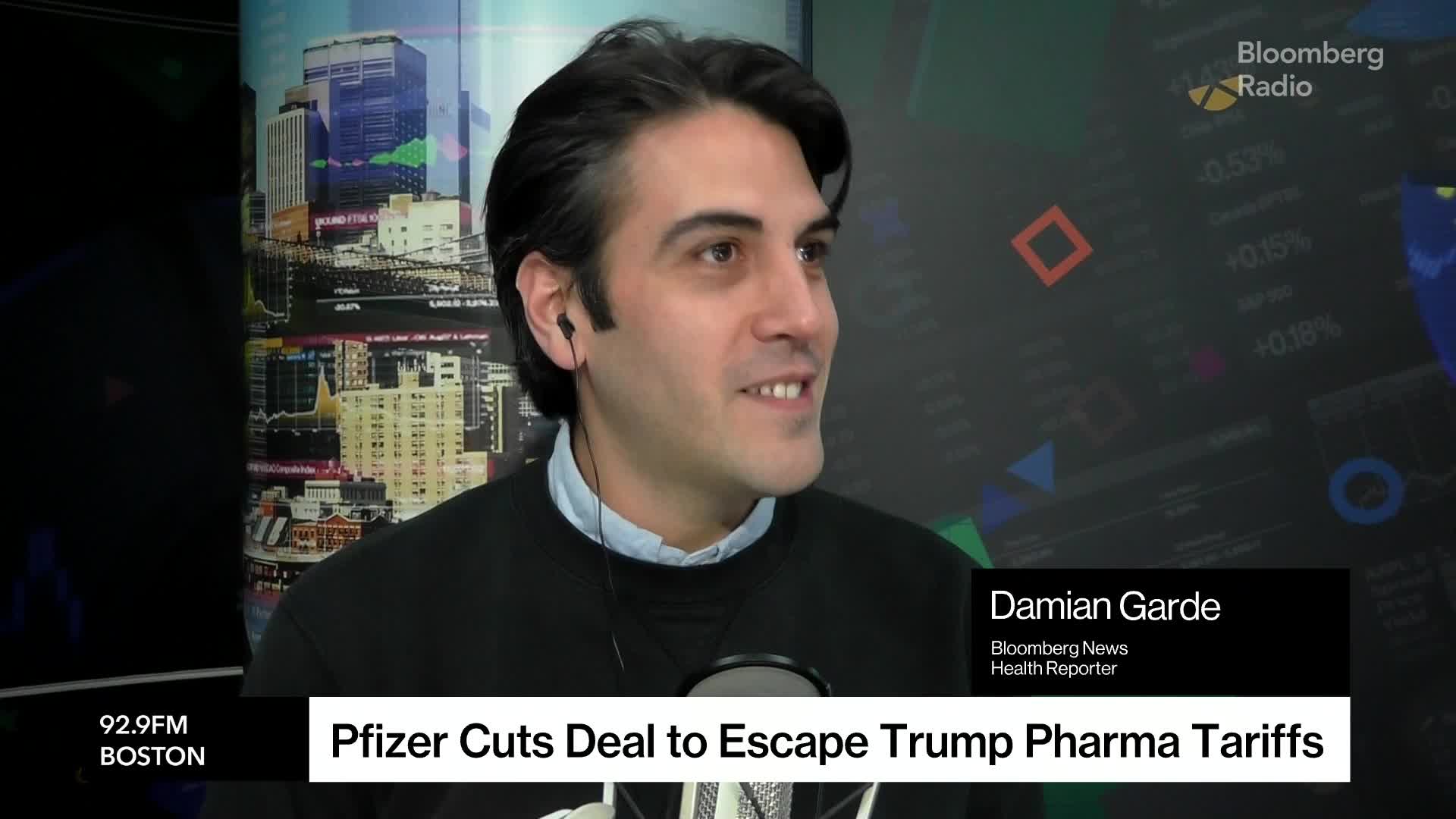
Pfizer has secured a three-year reprieve from potential Trump administration pharmaceutical tariffs by agreeing to cut drug prices by up to 85% and sell directly to the American public. This strategic move, indicative of the administration's transactional trade policy, is expected to set a precedent, with other major drugmakers like Eli Lilly already in discussions for similar arrangements to expand patient access and potentially avoid future tariffs.
Pfizer (PFE) has navigated a significant regulatory threat by securing a three-year reprieve from potential U.S. pharmaceutical tariffs. The concession for this deal involves substantial price cuts of up to 85% on certain drugs and a shift to a direct-to-consumer sales model. The negative sentiment score for Pfizer (-0.4) indicates that the market perceives the immediate margin pressure from these deep discounts as a more significant factor than the removal of a previously uncertain tariff threat. This event establishes a transactional precedent for the pharmaceutical industry under the current administration, as evidenced by Eli Lilly's (LLY) active discussions for a similar arrangement. The neutral sentiment for Lilly (0.0) reflects market uncertainty pending the outcome of its negotiations. Overall, this development signals a new dynamic where pharmaceutical firms may be compelled to trade pricing power for regulatory stability, a trend with a notable market impact score of 0.6 that could reshape profitability models across the sector.
AI-powered research, real-time alerts, and portfolio analytics for institutional investors.
Request DemoOverall Sentiment
mixed
Sentiment Score
-0.15
Ticker Sentiment
