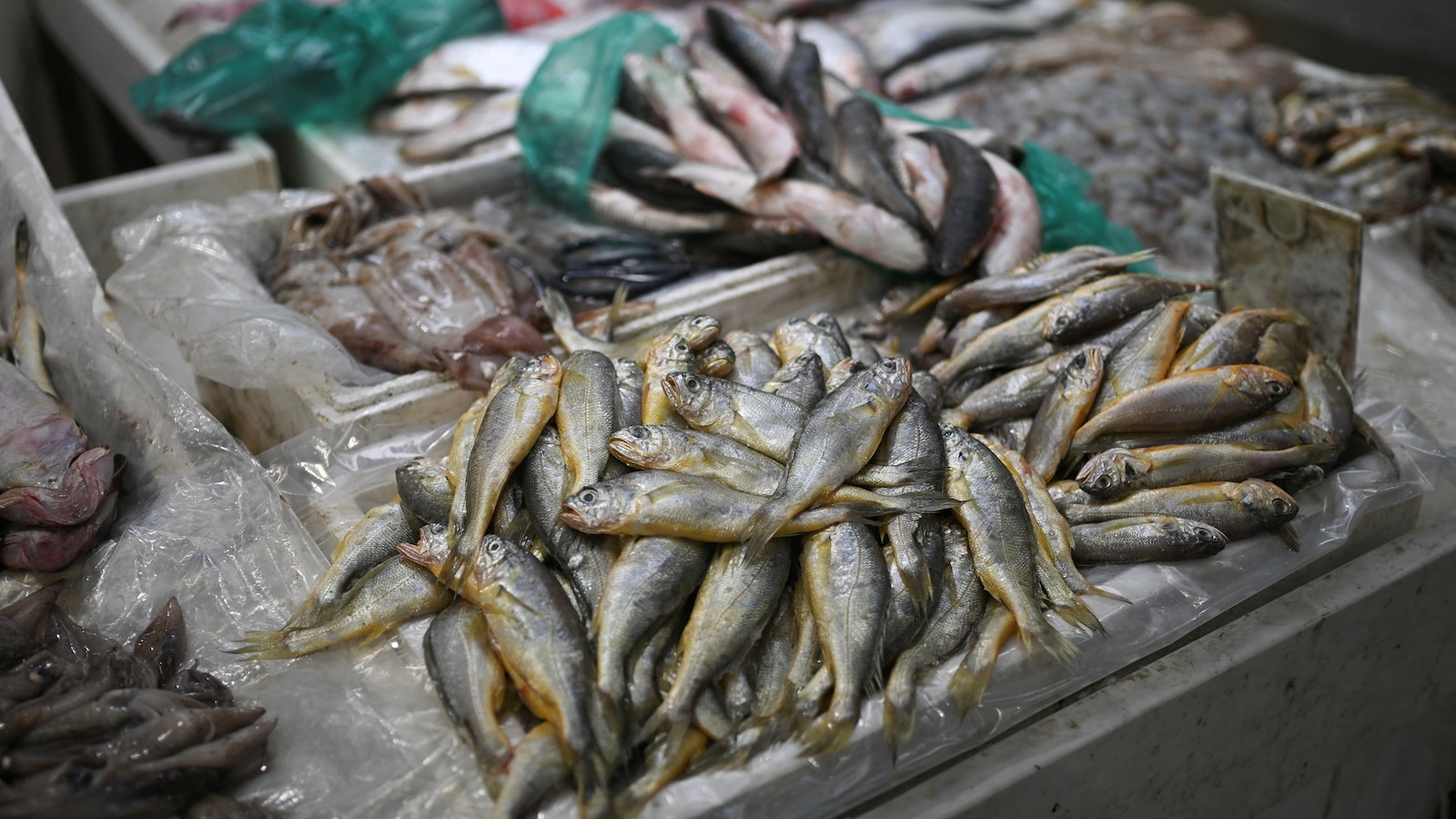
China will suspend imports of Japanese seafood, citing the need to monitor treated wastewater from the Fukushima plant, in a diplomatic escalation triggered by Japanese Prime Minister Sanae Takaichi’s comments that Tokyo could militarily respond if China attacked Taiwan; Beijing says the remarks have “fundamentally damaged” bilateral ties and has warned of severe countermeasures. Beijing has also summoned Japan’s ambassador, issued travel advisories, postponed Japanese films, and deployed coast guard vessels near the disputed Senkaku/Diaoyu islands while Japan scrambled jets after a Chinese drone; a senior bilateral meeting produced no progress and China indicated it will not meet Takaichi at the upcoming G20. The dispute has already pressured markets—Japanese tourism and retail stocks fell roughly 5% to more than 10% this week on fears of a drop in Chinese visitors (about a quarter of inbound tourism)—and marks one of the sharpest downturns in Sino‑Japanese relations with material implications for regional security and economic ties amid broader U.S.-China competition.
China announced a suspension of imports of Japanese seafood, citing renewed monitoring of treated wastewater from the Fukushima Daiichi plant after Tokyo initiated releases in 2023; NHK and Chinese foreign ministry statements link the halt directly to Prime Minister Sanae Takaichi’s parliamentary remarks that a Chinese attack on Taiwan could justify a Japanese military response. Chinese Foreign Ministry spokesperson Mao Ning said the comments “fundamentally damaged the political foundation of China-Japan relations” and asserted there was “no longer a market for Japanese seafood,” reversing a recent resumption of purchases.
Beijing has escalated non-trade measures—summoning Japan’s ambassador, issuing travel warnings, postponing Japanese films, and deploying coast guard vessels near the Senkaku/Diaoyu islands—while Japan scrambled jets after a Chinese drone; the dispute has already pressured Japanese tourism and retail stocks, which fell roughly 5% to more than 10% this week as Chinese visitors account for about a quarter of inbound tourism. A senior bilateral meeting produced no progress and China indicated no planned meeting with Takaichi at the upcoming G20, sustaining near-term diplomatic risk.
Implications include an immediate revenue and supply-chain shock for seafood exporters and processors, amplified downside for Japan-facing travel and retail sectors, and increased geopolitical tail risk that is likely to raise market volatility and prompt further non-tariff measures if rhetoric and reciprocal actions continue. Key near-term catalysts to monitor are follow-up diplomatic engagement, additional Chinese trade or travel measures, and any further maritime or military incidents in the East China Sea.
AI-powered research, real-time alerts, and portfolio analytics for institutional investors.
Request DemoOverall Sentiment
moderately negative
Sentiment Score
-0.50
