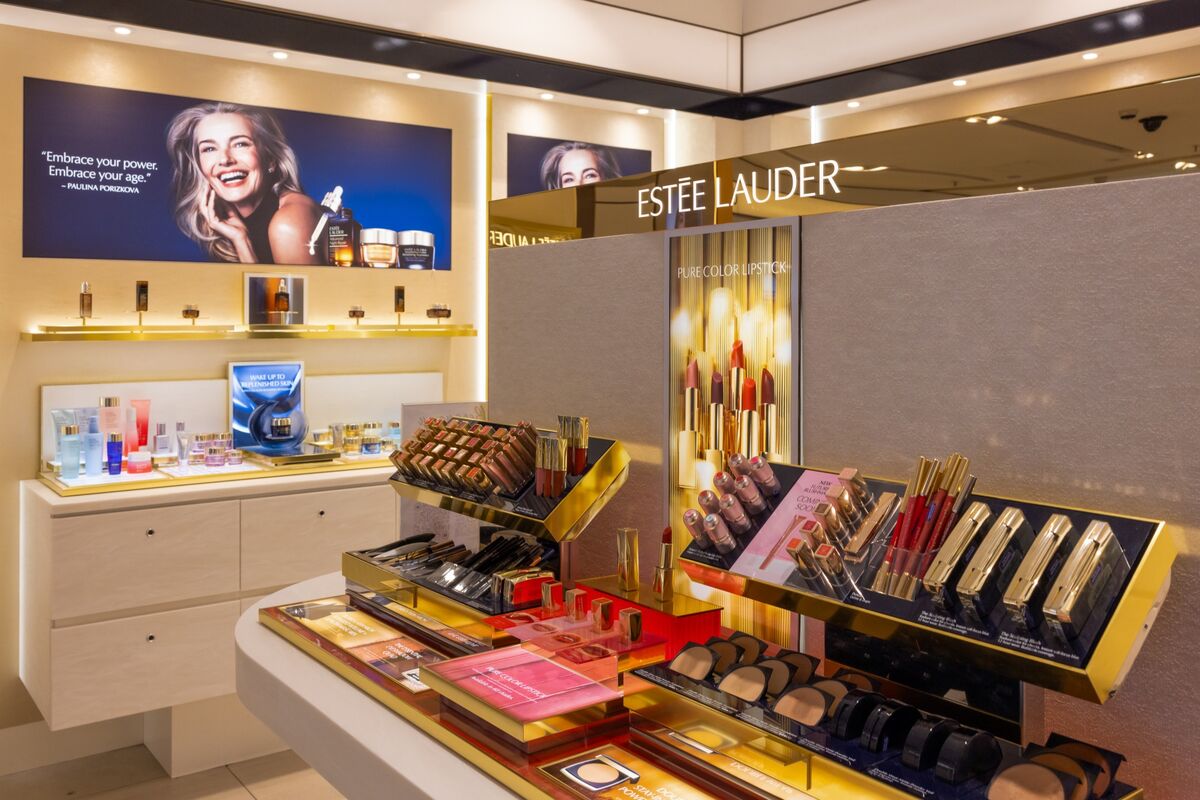
Estée Lauder is in talks to acquire Spain’s Puig, creating a cosmetics group with roughly $20 billion in annual sales; Puig’s market value is about €9 billion and deal terms were not disclosed. The combination would be a material consolidation in the beauty sector and is likely to move shares of the companies and peers while inviting regulatory/antitrust review. Monitor announced purchase price, financing structure and any required approvals for implications to valuations and near-term stock performance.
A combination of two large prestige cosmetics/fragrance franchises materially changes bargaining dynamics with retail distributors and fragrance ingredient suppliers. Expect concentrated buying power to pressure wholesale terms at prestige specialty retailers and travel retail (2-4% improvement in gross margin regionally is achievable within 12-24 months through SKU rationalization and negotiated slotting). At the same time, preferred-supplier agreements will be renegotiated, benefiting the largest ingredient and packaging suppliers who can scale to a consolidated orderbook while squeezing mid‑tier contractors.
Regulatory and integration pathways are the principal execution risks. Antitrust reviews in the EU and US will focus on fragrance and prestige makeup categories — expect filings and remedies over a 6-18 month window that could require divestitures of overlapping brands or license contracts, materially reducing headline synergies if forced. Financing risk is non-trivial: incremental leverage at today’s higher yields increases interest expense and makes synergy payback more sensitive to modest top-line softness (a 2% organic sales miss could erase one-third of projected accretion in year one).
Second-order competitive effects favor integrated luxury groups and global distributors that can offer full-channel scale (travel retail, e‑commerce, department store concessions). Mid‑cap speciality players that rely on licensing and retail shelf share are vulnerable to displacement and pricing pressure; conversely, global fragrance houses and packaging leaders can capture incremental share and pricing power. Timing key catalysts — regulatory filings, financing announcement, and the first-quarter post-announcement trade-up in wholesale terms — creates 3 distinct windows for positioning: immediate announcement moves, 3–9 month regulatory windows, and 12–36 month integration realization.
AI-powered research, real-time alerts, and portfolio analytics for institutional investors.
Request DemoOverall Sentiment
strongly positive
Sentiment Score
0.60
