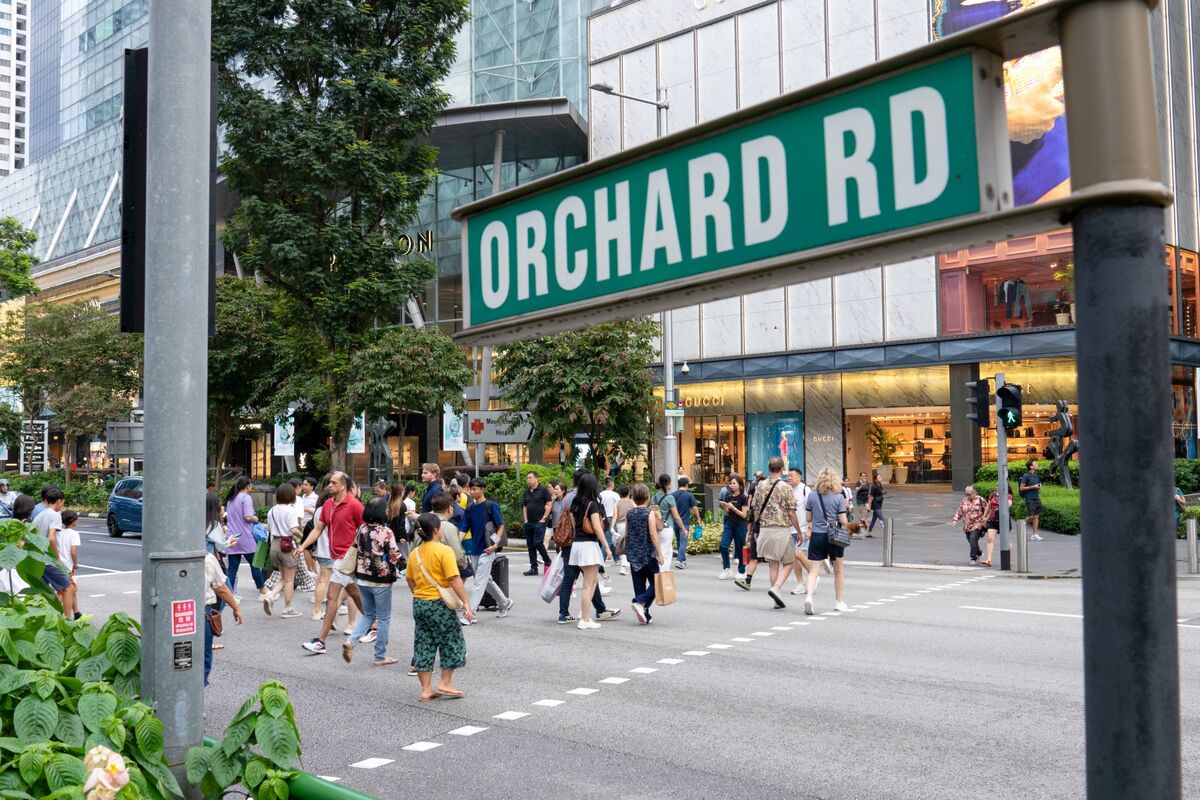
Singapore's luxury market is projected to grow 7% to S$13.9 billion ($10.9 billion) this year, significantly outpacing major regional hubs like China and Japan and defying a global slump in high-end spending. This robust growth, driven by the city-state's 240,000 millionaires, positions Singapore as a critical bright spot for luxury retailers facing sluggish demand in other key markets.
Singapore's luxury goods market is demonstrating significant resilience, with sales projected to climb 7% to S$13.9 billion ($10.9 billion) this year. This growth trajectory stands in stark contrast to a global slump affecting major markets, positioning the city-state as a critical pocket of strength for high-end retailers. The performance, fueled by a concentrated base of 240,000 millionaires, notably outpaces that of regional shopping hubs like Japan, China, and South Korea, which are experiencing sluggish demand. This divergence highlights Singapore's increasing strategic importance for luxury brands seeking to offset weakness in historically dominant markets like China and the US.
AI-powered research, real-time alerts, and portfolio analytics for institutional investors.
Request DemoOverall Sentiment
strongly positive
Sentiment Score
0.75
