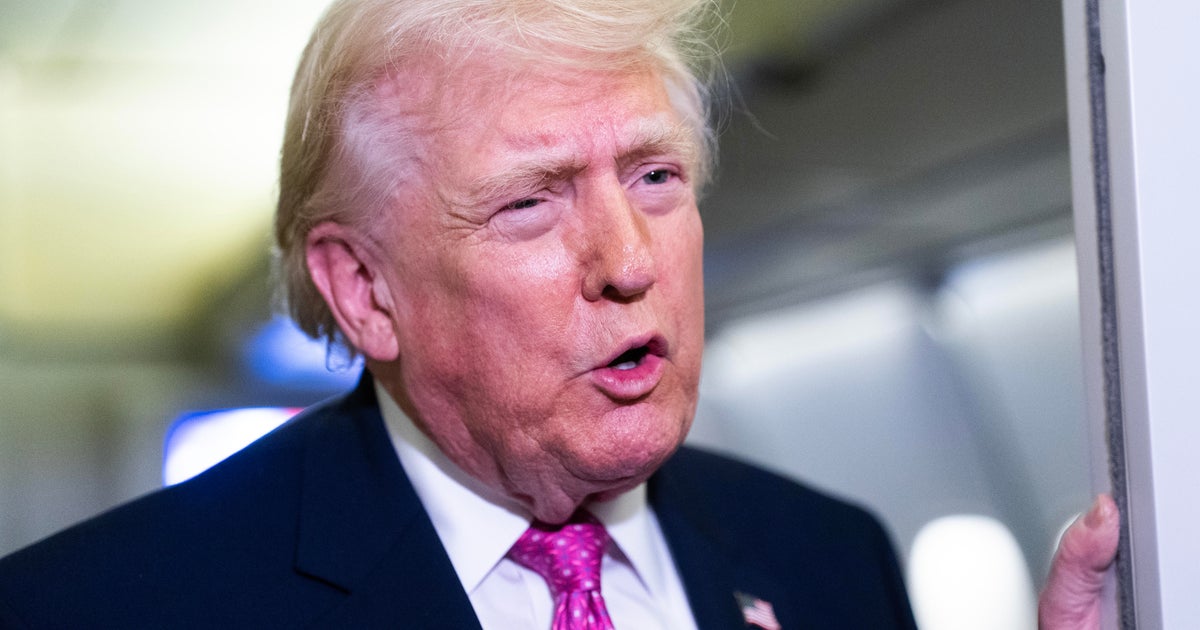
The Strait of Hormuz, which transits ~20% of global oil, is the focal point as President Trump says the U.S. is 'not withdrawing quite yet' and urges allies to secure the waterway while downplaying the threat from Iran. U.S. national gasoline averages topped $4.00/gal for the first time in over three years amid the fifth week of the conflict; the administration ties Operation Epic Fury to eventual price relief. These comments and ongoing strikes increase geopolitical risk to oil supply and are likely to keep upward pressure on energy prices and drive risk-off positioning across markets.
The current political posture is maintaining a persistent risk premium across energy, shipping and defense rather than producing a single discrete shock; that premium will show up as higher war-risk insurance, wider tanker and VLCC time-charter spreads, and fatter risk premia embedded in crude forward curves over the next 1–3 months. Expect freight TC rates to reprice faster than physical supply response—shippers reroute and take longer voyages, pushing short-term logistics costs higher and widening Brent/WTI-like differentials for regions forced off preferred routes.
Defense contractors and munitions supply-chain nodes (specialty steel, NI-based alloys, RF/avionics semiconductors) earn elevated revenue visibility over 6–18 months as procurement cycles accelerate; this is durable if governments fund replenishment and stockpile programs, but vulnerable to post-conflict austerity if the conflict shortens. Conversely, demand-sensitive sectors—airlines, leisure travel and regional EM importers—face asymmetric downside: a multi-week supply shock translates into weaker discretionary volumes and FX pressure for oil importers over quarters.
Key catalysts that would rapidly unwind current risk premia are diplomatic de-escalation, coordinated strategic oil releases from multiple buyers, or a credible security-sharing arrangement among regional partners; these act on 1–8 week horizons. Tail risks include escalation into wider regional engagement or deliberate targeting of chokepoints, which would push oil >$100/bbl and trigger sovereign credit stress in highly leveraged importers; such outcomes are low-probability but high-impact for multi-asset portfolios.
AI-powered research, real-time alerts, and portfolio analytics for institutional investors.
Request DemoOverall Sentiment
strongly negative
Sentiment Score
-0.55
