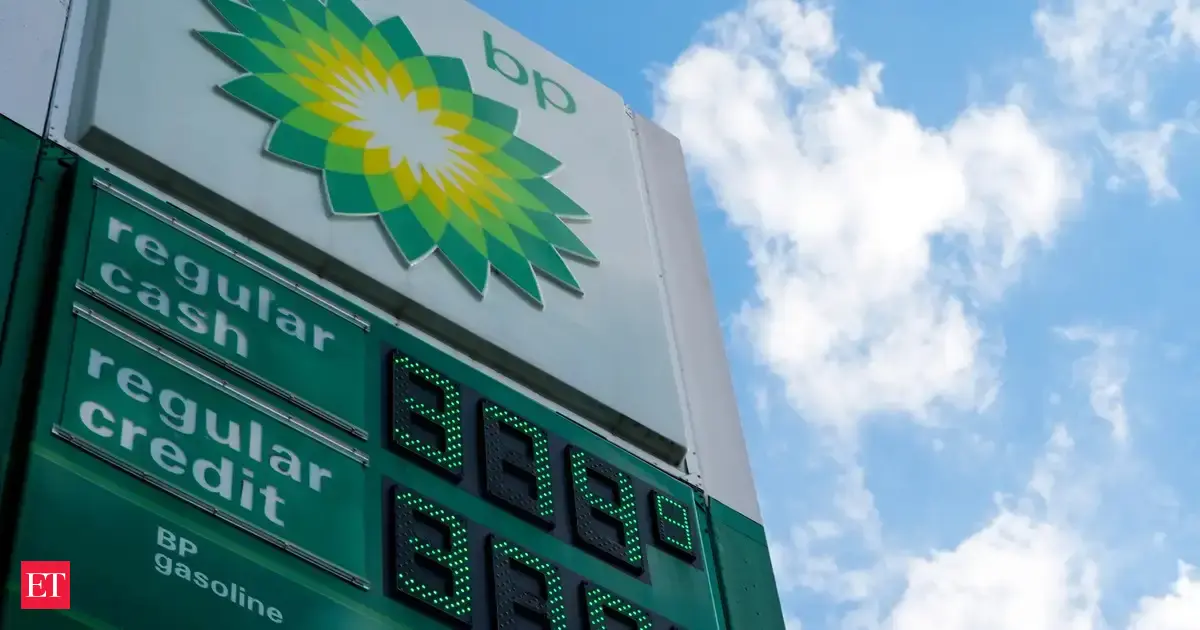
The US national average for regular gasoline is $4.031 per gallon as of April 23, 2026, modestly higher on the day but broadly stable in recent weeks. California remains the most expensive major market at $5.847 for regular, while Oklahoma is the cheapest at $3.403; Hawaii and Washington are also well above the national average. The article is primarily a price update with significant regional dispersion, not a market-moving catalyst.
The headline takeaway is not direction, it’s dispersion: fuel inflation is now a geography-driven tax that creates very different margin outcomes for retailers, transporters, and discretionary-heavy consumer baskets. High-pump states effectively compress local real disposable income faster than national averages imply, so the second-order beneficiary is online and club-format retail that can absorb wallet-share leakage from fuel into cheaper basket optimization, while the loser set is suburban big-box and quick-service chains with heavier drive-to-store sensitivity.
For transport and logistics, the more important signal is that diesel remains elevated relative to the consumer basket, which tends to keep pressure on freight pass-through even if headline gasoline looks rangebound. That means margin relief for shippers is unlikely until there is a clearer crack in diesel, and in the interim the market may underprice the lagged impact on parcel, LTL, and regional trucking earnings over the next 1-2 quarters. The state-by-state spread also favors carriers with better network density and fuel surcharge mechanisms over smaller regional operators.
The broader macro implication is that stable national averages can mask a de facto tightening in consumption where gas is most expensive. That usually shows up first in lower-end retail mix, restaurant traffic, and short-haul leisure demand, with a 4-8 week lag before it is visible in weekly card data. If crude softens, the release valve would be immediate, but until then the market is likely underestimating how persistent pump-price friction can be at current levels.
The contrarian view is that investors may be too focused on the national average and not enough on regional elasticity. California, Washington, and Hawaii can behave like micro-recessions for gasoline-intensive sectors even when the U.S. aggregate looks benign, while Texas/Oklahoma act as offsetting pockets of resilience. That dispersion argues for relative-value positioning rather than a broad macro short on consumers.
AI-powered research, real-time alerts, and portfolio analytics for institutional investors.
Request TrialOverall Sentiment
neutral
Sentiment Score
0.00
