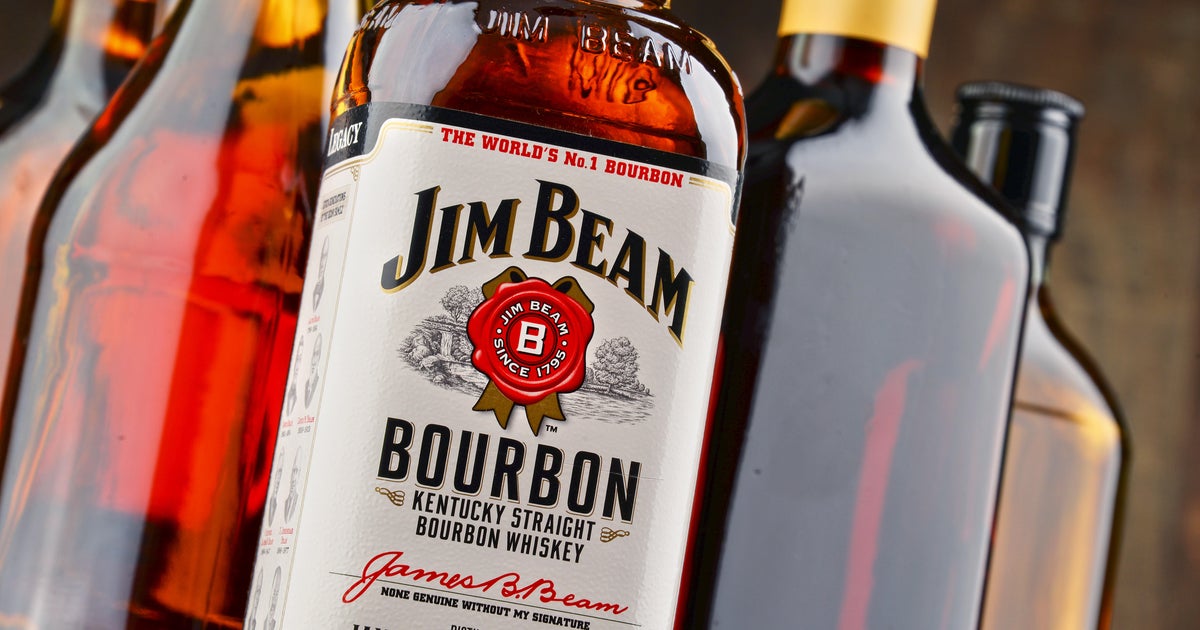
Jim Beam will temporarily halt production at its primary Clermont, Kentucky distillery beginning Jan. 1 to implement site enhancements, while keeping its James B. Beam campus open and continuing distillation at its Fred B. Noe and Booker Noe craft facilities. The move comes amid broad industry headwinds — U.S. adult alcohol consumption has fallen to 54% (Gallup), U.S. spirits exports dropped 9% in Q2 driven in part by Trump-era tariffs (with exports to Canada down 85%), and whiskey distillers produced 55 million fewer proof gallons through August (a 28% decline year-over-year). The operational pause appears to be a capacity and capital-allocation response to soft domestic demand and adverse trade impacts rather than an immediate liquidity or earnings disclosure, but it signals potential near-term supply shifts and continued pressure on the U.S. spirits sector.
Market structure: A temporary production pause at Beam Suntory’s Clermont site is a small, targeted supply shock that favors large, globally diversified spirits producers with spare capacity and strong distribution (Diageo DEO, Brown‑Forman BF.B, Pernod Ricard PDRDY). Domestic small/boutique bourbon producers and regional bottlers are the direct losers as retail share and export channels (exports -9% Q2; Canada -85% to certain US spirits) remain strained; U.S. drinking participation near 54% signals secular demand pressure. Pricing power should tilt toward global premium brands while commodity input demand (corn) could soften marginally if industry production remains down ~28% YTD (55M proof gallons).
Risk assessment: Near term (days–weeks) operational risk is low because visiting campus remains open; short term (weeks–months) risks include a longer retrofit or supply-chain delays that extend downtime >8–12 weeks, which could meaningfully tighten aged inventory for bourbon. Tail risks: tariff escalation with Canada or new trade barriers could cut exports further (>10% incremental) and force price discounting, and a faster-than-expected decline in U.S. drinkers would compress volumes by >5–10% annually. Monitor monthly Distilled Spirits Council data, USDA corn usage, and US‑Canada trade headlines for 30–90 day catalysts.
Trade implications: Tactical long exposure to large-cap global spirits (DEO, BF.B, STZ) for 3–12 months to capture share gains and pricing resilience; rotate away from small US craft/wine/spirits equities and retail names that rely on US whiskey exports. Use calendar-limited option structures (3–6 month call spreads) on DEO/BF.B to limit capital while expressing upside; consider short small-cap beverage retailers or hospitality sub-sectors that will face lower foot traffic.
Contrarian view: The market may over-penalize U.S. whiskey names for a likely short-term pause; if enhancements increase throughput or improve margins, Beam Suntory emerges stronger 6–18 months out. Conversely, low consumer participation (54%) is underappreciated and could produce prolonged volume declines that make premiumization the only growth vector—favor brands with global travel-retail exposure and aged-stock balance sheets.
AI-powered research, real-time alerts, and portfolio analytics for institutional investors.
Request DemoOverall Sentiment
moderately negative
Sentiment Score
-0.35
