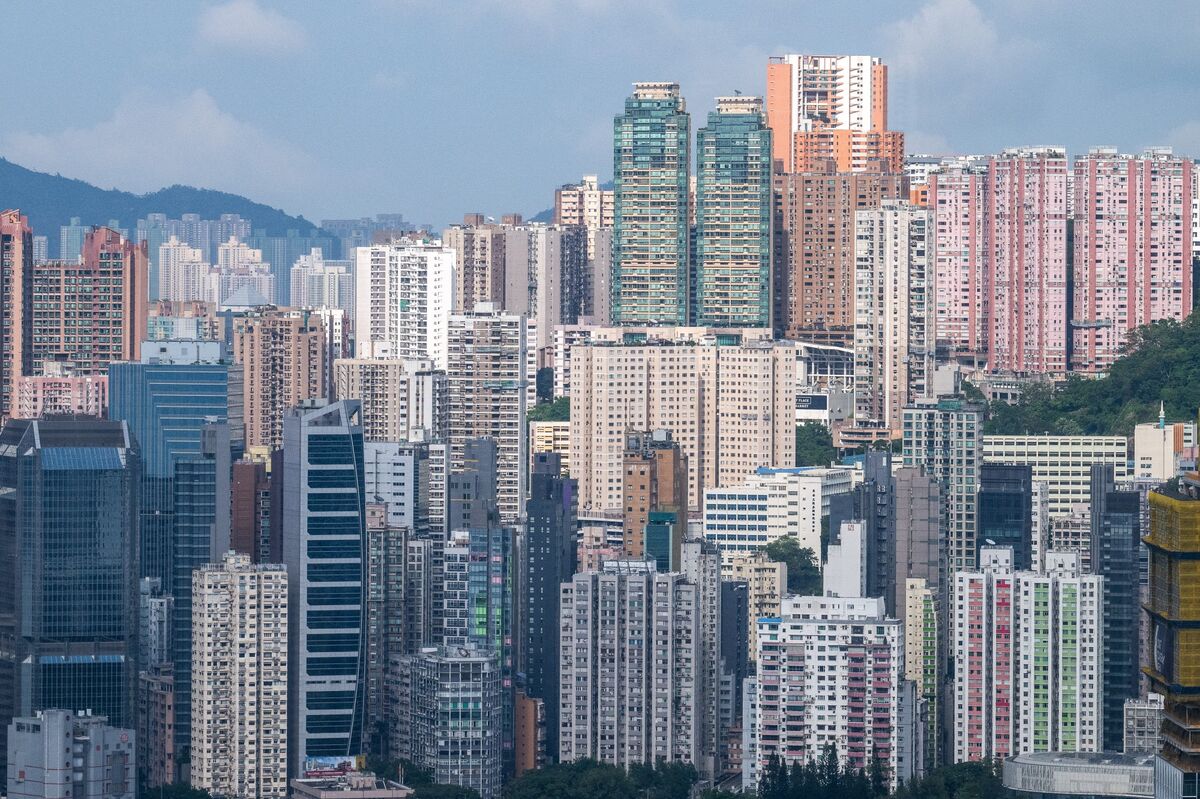
Hong Kong's rental housing market is projected to reach a record high by October, primarily driven by a significant influx of Chinese students and professionals. This sustained demand is notably bolstering rents in key areas, with North Point experiencing an 8.8% year-over-year increase, signaling continued pressure on the city's housing supply.
Hong Kong's residential rental market is on a trajectory to reach a record high by October, a movement primarily fueled by a sustained influx of students and professionals from mainland China. This demand is creating notable price pressure in specific locales, as evidenced by an 8.8% year-over-year surge in rents in the North Point district, which is favored for its convenient location. The data points to a tightening housing market and suggests strong underlying fundamentals for residential property owners, particularly in desirable areas. The moderately positive sentiment reflects a favorable environment for landlords and real estate investors, though the impact is concentrated within this specific sector rather than indicating a broad-based economic shift.
AI-powered research, real-time alerts, and portfolio analytics for institutional investors.
Request DemoOverall Sentiment
moderately positive
Sentiment Score
0.50
