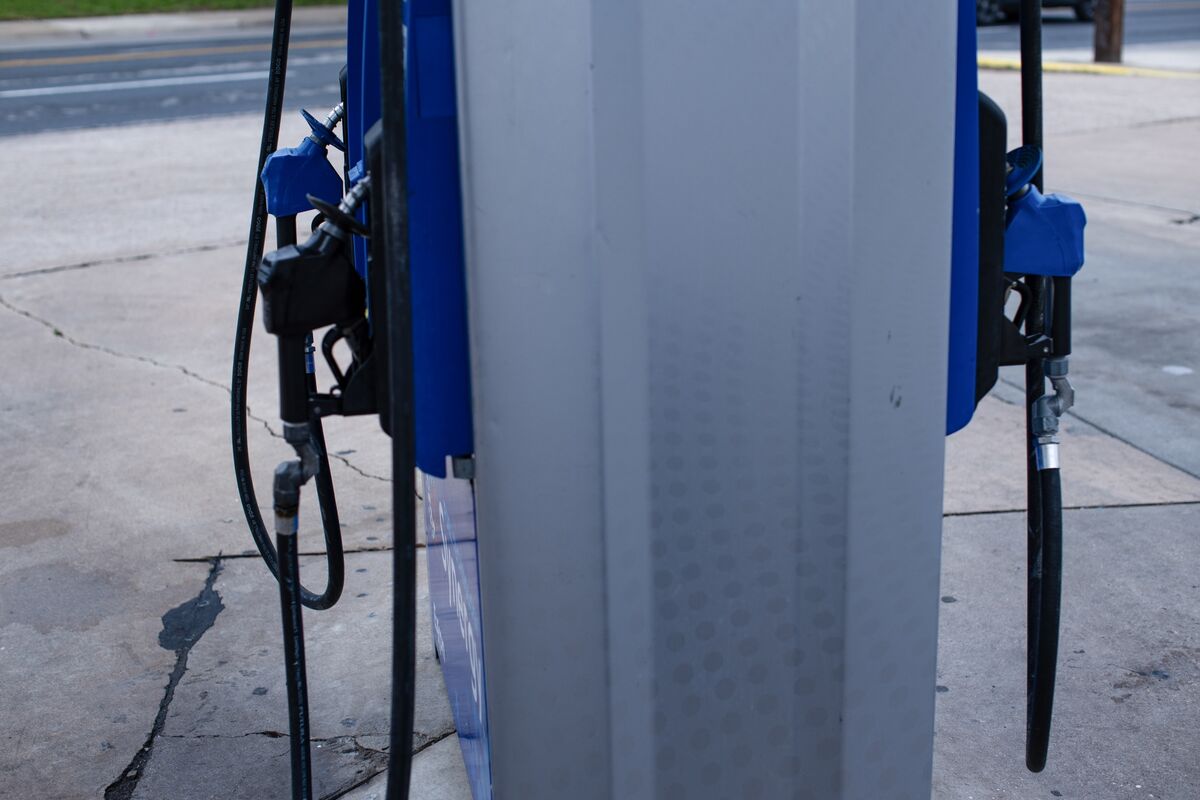
The House is expected to vote this week on legislation to allow year-round, nationwide sales of E15 gasoline, a potentially important demand boost for ethanol and corn-linked biofuels. The measure has bipartisan support, but passage is uncertain, leaving the policy outlook unresolved. If approved, it could expand the U.S. ethanol market and modestly support agricultural demand.
A nationwide E15 decision would be a quiet but meaningful demand-transfer event: it does not create new fuel consumption, but it can reallocate gallons from higher-margin blending components toward ethanol and compress value in the gasoline blendstock chain. The first-order beneficiaries are upstream corn growers and ethanol producers, but the second-order winners are logistics and midstream players with storage/handling exposure to bulk ethanol, while refiners with more complex product slates may be relatively insulated versus those exposed to discretionary blending economics.
The bigger market implication is timing. Even if the vote passes, the translation into realized demand is slow: retail pumps, state-level compliance, blender infrastructure, and seasonal distribution patterns mean the price signal to corn/ethanol may take 1-3 quarters to show up. That delay creates a window where the headline is positive but the underlying trade can mean-revert if the market has already priced in legislative odds or if crude/gasoline prices soften, reducing the economic incentive to push higher-ethanol blends.
The contrarian angle is that this is less bullish for the sector than it looks because it is a policy ceiling, not a structural growth engine. If E15 becomes year-round, it may simply lock in a share of gasoline demand that was otherwise at risk of being constrained by seasonality, which limits upside beyond a one-time repricing. The real upside surprise would come if this vote is seen as the first step toward broader blending mandates or tax/subsidy support; absent that, the trade is likely to be a spread trade, not a broad commodity supercycle.
Key risk is political reversal or implementation friction: litigation, EPA execution, and retailer adoption can all delay the economic impact by months. If the vote fails, names tied to the theme likely de-rate quickly because the market has been treating this as a low-probability but high-signal catalyst for agricultural demand.
AI-powered research, real-time alerts, and portfolio analytics for institutional investors.
Request DemoOverall Sentiment
neutral
Sentiment Score
0.10
