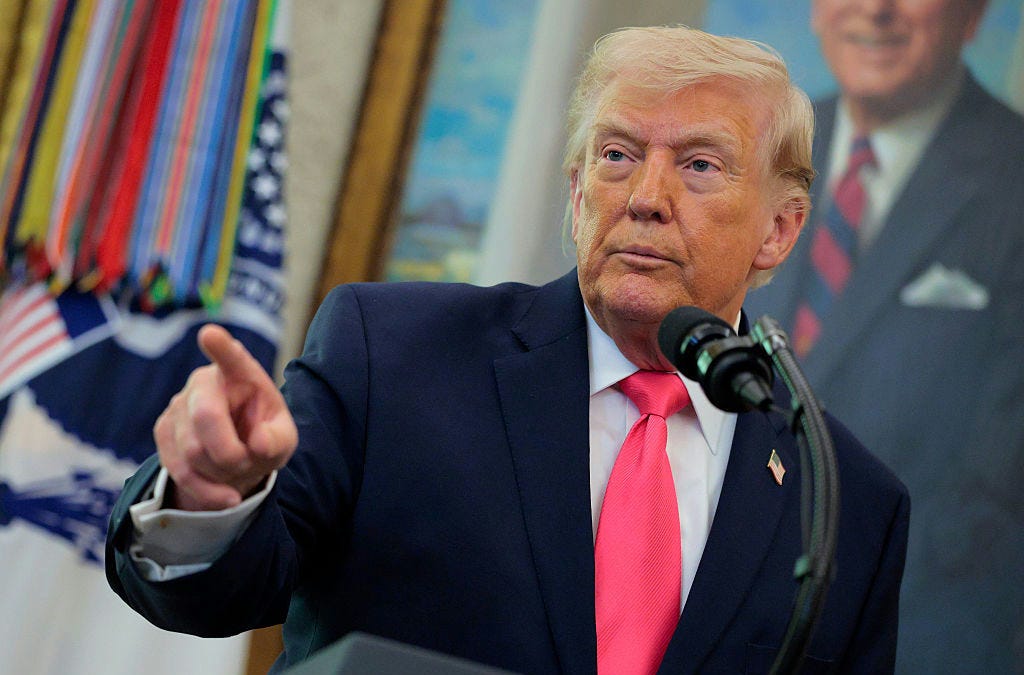
6,200 oil futures contracts (≈$580M notional) were bought between 6:49–6:50 a.m., immediately preceding President Trump's 7:04 a.m. Truth Social post that Iran oil fields would not be bombed. The markets reacted sharply: Brent crude fell from $113 to $96/ bbl (~15% decline) while equities jumped, creating a lucrative, suspiciously timed profit for the buyer(s). The trade's size and timing raise potential market-abuse concerns and indicate significant short-term volatility in energy and derivatives markets.
The intraday pre-announcement position highlights how thin early-morning liquidity and concentrated algo flow can turn headline risk into a self-fulfilling directional move; that microstructure fragility amplifies information-sensitive trades and will keep bid/ask spreads and realized volatility elevated during political windows for the next several weeks. Market participants who routinely provide early liquidity (proprietary desks, high-frequency liquidity providers) are likely to pull back or demand wider fees around anticipated geopolitical events, raising temporary funding and execution costs for directional players.
Second-order winners are businesses with rapid fuel re-price transmission (airlines, freight operators) and long-dated hedgers who can lock in lower input costs; losers include short-cycle service firms and producers with high cash needs who see realized price declines compress near-term free cash flow. Banks and prime brokers could tighten initial margin or intraday haircut practices for commodity futures if regulators focus on the trade, creating squeeze risk for levered funds holding physical or futures exposure.
Tail risks: regulatory inquiry or rule changes (pre-trade surveillance, widened reporting windows) could reduce market opacity but also temporarily dislocate liquidity; a sudden reversal in diplomacy remains the high-consequence trigger that would blow out short positions within hours. For traders, the window to profit from headline fades is measured in days, while structural repositioning (margin policy, skew steepening) plays out over months; position sizing should reflect that asymmetry.
AI-powered research, real-time alerts, and portfolio analytics for institutional investors.
Request DemoOverall Sentiment
mildly negative
Sentiment Score
-0.15
