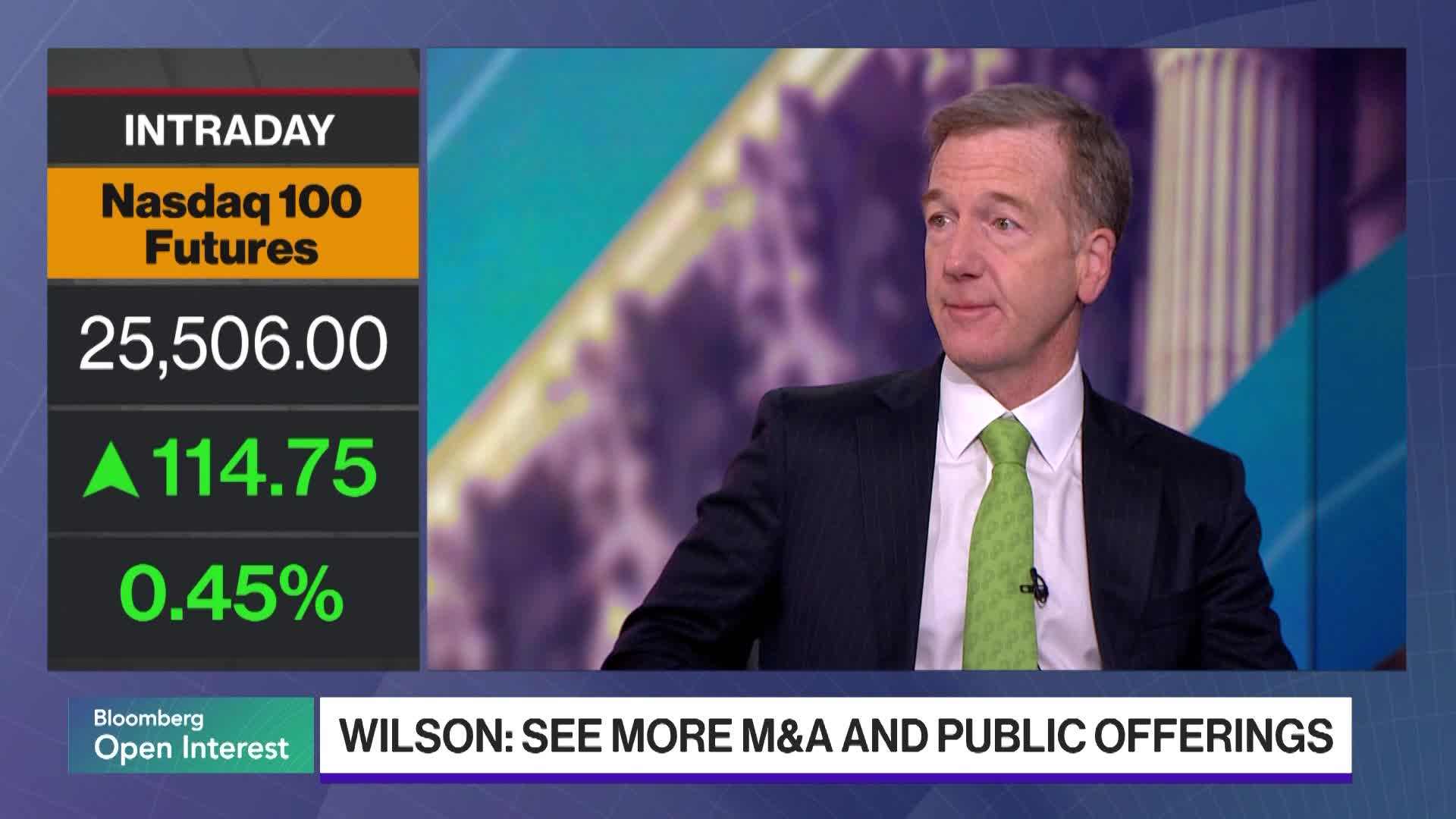
The firm projects a continued recovery into 2026 driven by an investment cycle and a broadening of earnings revisions, setting a base-case index target of 7,800 for 2026. They expect a Fed transition toward a more dovish stance could require weaker labor data or stress in funding markets, and the team remains prepared to “buy the dip” if near-term weakness appears. The call rests on sustained upside in earnings breadth supporting valuations and improved policy conditions rather than immediate macro shocks.
Market structure: A dovish transition and expanding earnings-revision breadth favors cyclicals, small caps and commodity-linked sectors. Expect relative outperformance for IWM, XLI and energy/industrial metal names over 6–18 months as profit growth replaces multiple compression; downside is continued strength in real rates which would re-favor defensives and growth.
Risk assessment: Key tail risks are sticky inflation or hawkish Fed (20–25% shock probability), a renewed bank funding event, or geopolitics that reverse risk appetite; these would snap rates higher and compress multiples. Time horizons: immediate (days) hinge on labor/CPI prints and Fed minutes; short-term (weeks–months) on funding spreads and earnings beats; long-term (quarters) on capex/investment cycle rolling through 2026.
Trade implications: Prefer long cyclical exposure funded by trimming long-duration growth — practical trades: buy IWM/XLI and add 12–18 month LEAPS on select cyclicals, hedge with modest long-duration TLT and short-dated puts. Use options to express skewed upside (calendar or bull-call spreads) and buy tail protection around major data releases.
Contrarian angles: Consensus focuses on valuation not revision breadth; if breadth is real, small caps should outperform QQQ by 10–20% into 2026 — currently underowned. Conversely, if earnings beats are buyback or cost-cut driven rather than top-line, cyclicals will disappoint; monitor capex guidance and free-cash-flow revisions as a second-order litmus within the next 2–4 quarters.
AI-powered research, real-time alerts, and portfolio analytics for institutional investors.
Overall Sentiment
moderately positive
Sentiment Score
0.45
