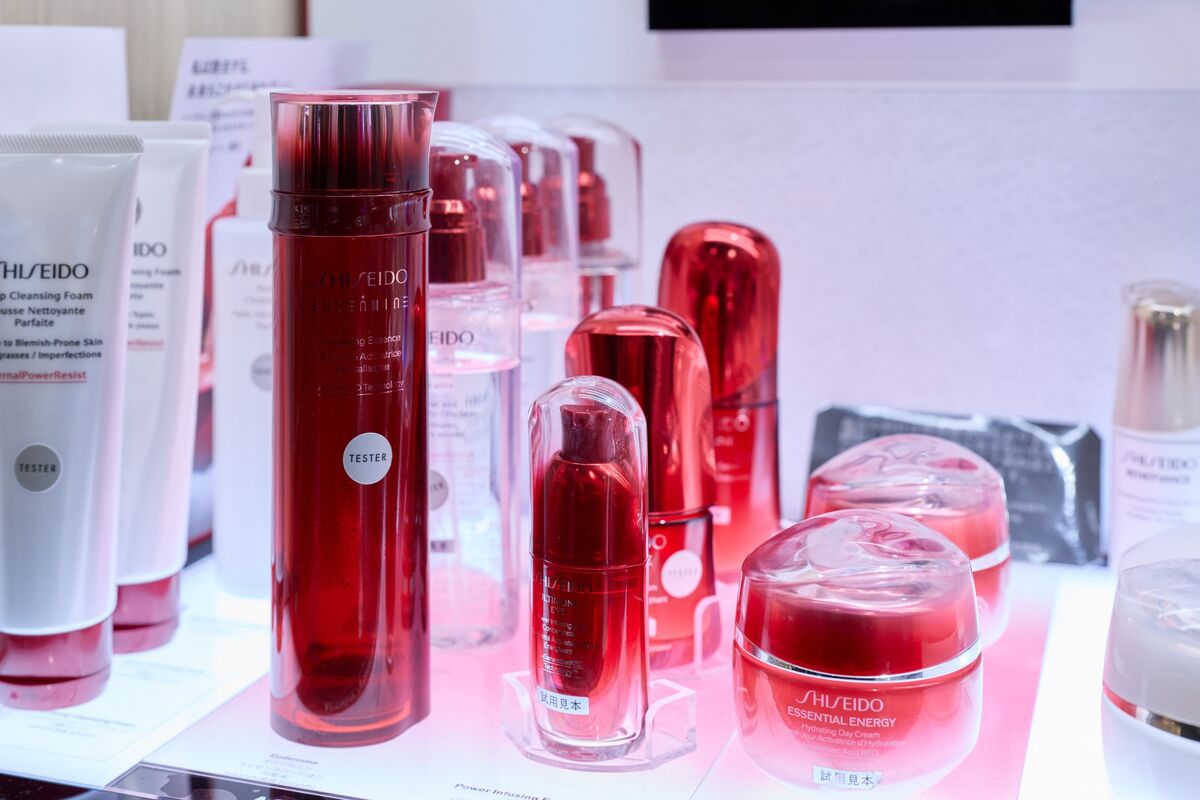
Shiseido warned that shortages of petroleum-derived naphtha tied to Middle East conflict could disrupt ingredients used in moisturizers and makeup. The company is exploring alternative plant-based inputs and a broader supplier network to mitigate supply-chain risk. The news is a modest negative for Shiseido and highlights upstream raw-material pressure rather than an immediate financial shock.
This is not a one-off product substitution story; it is an input-cost and qualification-cycle problem that can spread across the beauty and personal-care value chain. The key second-order effect is that firms with deeper formulation flexibility, multi-region sourcing, and higher private-label exposure can preserve margins, while prestige brands with tighter specs and slower reformulation cycles absorb temporary gross-margin pressure or lose shelf space. Over the next 1-3 months, the market is likely to re-rate supply-chain resilience more than headline demand, favoring diversified ingredient suppliers and packaging/logistics names over single-source consumer brands.
The bigger risk is that substitution is not cost-neutral: plant-derived inputs usually bring lower consistency, different regulatory/QA pathways, and potential reformulation delays. That creates a lagged earnings hit, not just a near-term procurement issue, because inventory can mask the problem for a quarter or two before expediting costs and margin erosion show up. If disruption persists into the next buying season, we should expect promotional activity to rise as brands defend market share, pressuring category pricing power and compressing gross margins across beauty.
The contrarian view is that this may be less destructive than it first appears for the industry leader and more damaging for smaller competitors. Large incumbents can spread reformulation costs across global volumes, lock in alternative suppliers, and use the disruption to rationalize vendors; smaller brands may face stock-outs or quality-control issues first. If crude/naphtha volatility fades in the coming weeks, the trade becomes a fade on the initial panic rather than a durable supply shock; the real tell will be whether management teams start quantifying mix, QA, and freight cost inflation in upcoming guidance.
A useful framing is that this is a relative-value trade on operational flexibility, not a broad bearish call on cosmetics demand. The best opportunities likely sit where supply-chain stress is underappreciated in consensus estimates and where earnings revisions can lag the headline news by a full quarter.
AI-powered research, real-time alerts, and portfolio analytics for institutional investors.
Request DemoOverall Sentiment
mildly negative
Sentiment Score
-0.25
